When it comes to construction projects, demolishing an existing structure is often the first step. Whether you’re planning to build a new home, develop a commercial space, or renovate an old building, hiring the right demolition contractor is crucial. This comprehensive guide will walk you through the essential aspects of selecting a demolition contractor, ensuring that your project proceeds smoothly and safely.
Understanding the Role of a Demolition Contractor
A demolition contractor is a specialized professional responsible for tearing down buildings and structures. Their work involves not only the physical demolition but also the planning, safety assessments, and compliance with local regulations. This multifaceted role requires a deep understanding of engineering principles, safety protocols, and environmental considerations.
One of the primary responsibilities of a demolition contractor is to conduct a thorough site assessment. This involves evaluating the structure to determine the best demolition method, identifying hazardous materials such as asbestos, and planning for waste disposal. By assessing these factors, a skilled demolition contractor can ensure a safe and efficient demolition process.
Moreover, they must coordinate with various stakeholders, including architects, engineers, and city officials, to comply with local laws and obtain necessary permits. This aspect of the job is critical, as failure to adhere to regulations can result in legal issues and project delays.
Key Factors to Consider When Hiring
When searching for a demolition contractor, several key factors should guide your decision-making process. Firstly, consider their experience and expertise. A contractor with a proven track record in similar projects can provide valuable insights and ensure that the work meets industry standards.
Additionally, ask for references and review past projects. This will give you a clearer picture of their capabilities and reliability. It’s also wise to check their licensing and insurance coverage. A legitimate contractor should have the necessary licenses to operate in your area and insurance to protect against potential liabilities.
Cost is another crucial consideration. While it’s tempting to choose the lowest bid, it’s essential to assess what is included in the quote. A low price might indicate subpar materials or rushed work, which can lead to problems down the line. Instead, look for a contractor who provides a fair price and detailed breakdown of costs, ensuring transparency.
Safety and Environmental Considerations
Safety is paramount in demolition work. When hiring a contractor, inquire about their safety protocols and training programs for their staff. A reputable contractor will prioritize safety, employing measures to protect their workers and the surrounding community from potential hazards.
Moreover, environmental considerations are increasingly important in the demolition industry. Many regions require contractors to follow sustainable practices, such as recycling materials and minimizing waste. Ensure that the contractor you choose has a solid plan for handling debris and hazardous materials responsibly.
For instance, they should have processes in place for sorting materials for recycling and proper disposal of hazardous substances. This not only helps the environment but can also reduce overall project costs.
The Demolition Process Explained
Once you have selected a demolition contractor, it’s essential to understand the demolition process itself. Initially, the contractor will conduct a pre-demolition inspection to finalize plans and ensure safety measures are in place. This stage is crucial for identifying any unforeseen challenges that may arise during demolition.
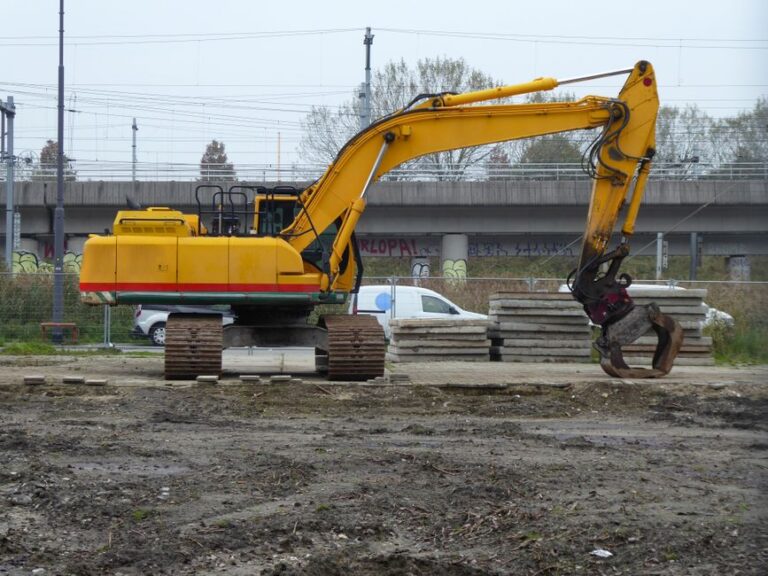
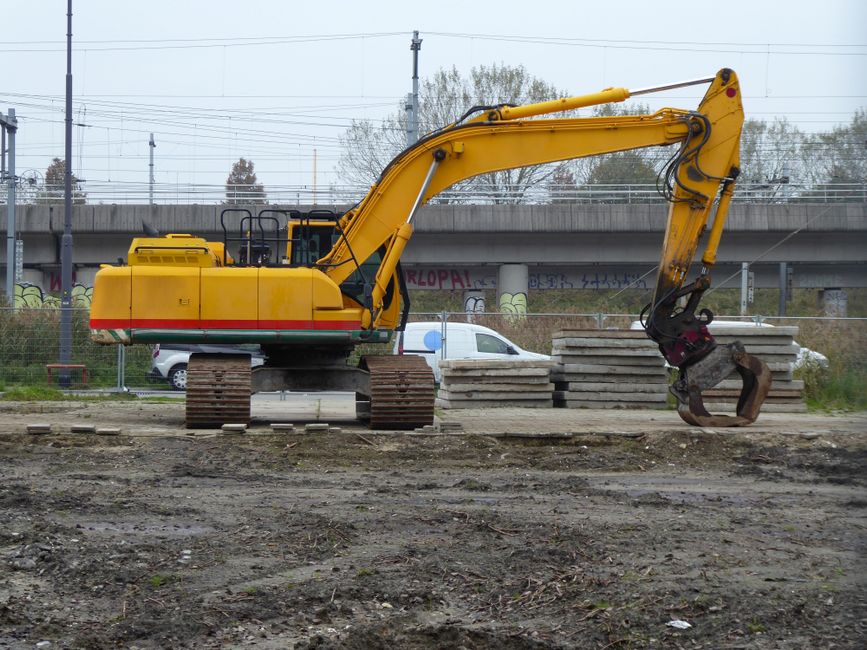
Next, the actual demolition begins, which can be carried out using various methods depending on the structure. Common techniques include mechanical demolition, where heavy machinery is used, and deconstruction, which involves dismantling the building piece by piece. Each method has its pros and cons, and a knowledgeable contractor will choose the best approach based on your specific project needs.
After demolition, the contractor will handle site cleanup and debris removal. This stage is vital to prepare the site for new construction and ensure compliance with local regulations regarding waste disposal.
Conclusion: Making an Informed Decision
Choosing the right demolition contractor is a critical step in any construction project. By understanding the role of a demolition contractor, evaluating key factors, prioritizing safety and environmental considerations, and being informed about the demolition process, you can make a confident decision.
Take your time to research and communicate with potential contractors to find the one that aligns with your project goals. A well-chosen demolition contractor can pave the way for a successful project, transforming your vision into reality.
About the Author