
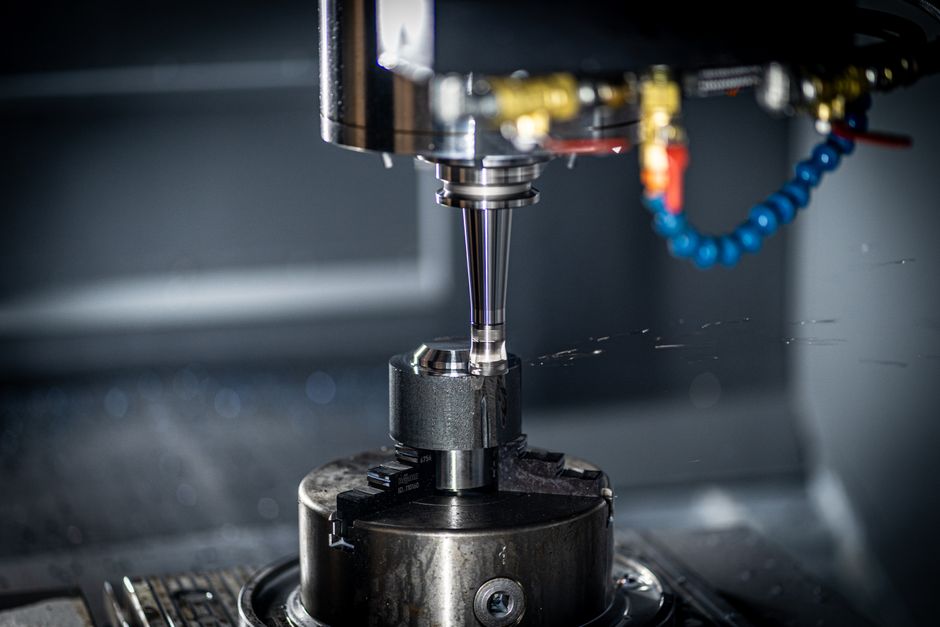
In the modern manufacturing landscape, precision and efficiency are paramount. CNC (Computer Numerical Control) machining services have emerged as a cornerstone for industries seeking to innovate and improve their production processes. This article explores the intricacies of CNC machining, its applications, benefits, and how businesses can leverage this technology for optimal results.
Understanding CNC Machining
CNC machining refers to the automated control of machining tools, such as drills, lathes, and mills, by means of a computer. Unlike traditional machining, where manual input is required, CNC machining relies on a pre-programmed computer software to dictate the movement of factory tools and machinery. This technology allows for precise cuts and shapes, which are essential in various manufacturing sectors.
The process begins with a digital design, often created using CAD (Computer-Aided Design) software. This design is then converted into a CNC program that guides the machining process. The advantages of CNC machining include reduced labor costs, enhanced precision, and the ability to produce complex geometries that would be challenging to achieve manually.
Applications of CNC Machining Services
CNC machining services find applications across a wide range of industries, including aerospace, automotive, medical, and consumer products. For instance, in the aerospace sector, manufacturers rely on CNC machining for the production of lightweight and high-strength components that are crucial for aircraft performance and safety.
Furthermore, the medical industry utilizes CNC machining to create intricate parts for surgical instruments, prosthetics, and implants. The precision achieved through CNC machining ensures that these components meet the stringent standards required for medical applications, thereby enhancing patient safety and product reliability.
In addition, CNC machining services are employed in the automotive industry for producing engine components, body parts, and various accessories. The ability to produce large quantities of parts with high precision enables automotive manufacturers to streamline their production processes and reduce waste.
The Benefits of CNC Machining
One of the primary benefits of CNC machining is its ability to produce highly accurate and repeatable parts. This precision is vital for industries where tolerances are critical. For example, a slight deviation in a component can lead to significant performance issues in applications such as aerospace and medical devices.
Another advantage is the efficiency of CNC machining. Automated processes reduce production times and labor costs, allowing businesses to allocate resources to other areas. According to studies, CNC machining can produce parts up to 10 times faster than traditional machining methods, which is a considerable advantage in competitive markets.
CNC machining services also offer flexibility. With the ability to quickly change designs and production settings, manufacturers can adapt to changing market demands and customer needs without significant downtime.
Choosing the Right CNC Machining Service Provider
When selecting a CNC machining service provider, businesses should consider several factors. First and foremost, the provider’s experience and expertise in the specific industry are crucial. An experienced provider will understand the unique challenges and requirements of the industry and can offer tailored solutions.
Additionally, it is vital to evaluate the technology and equipment used by the provider. Advanced CNC machines equipped with the latest software can enhance the quality and efficiency of production. Companies should also inquire about the provider’s quality assurance processes to ensure that the parts produced meet industry standards.
Finally, communication and customer support are essential elements in choosing a CNC machining service. A responsive provider can help address any concerns and ensure a smooth production process from design to delivery.
Future Trends in CNC Machining
The future of CNC machining is poised for significant advancements, driven by emerging technologies such as artificial intelligence (AI) and the Internet of Things (IoT). AI can enhance CNC machines by enabling predictive maintenance, which reduces downtime and maintenance costs.
Moreover, IoT integration allows for real-time monitoring and data collection, providing insights into production processes that can lead to continuous improvement. As these technologies evolve, CNC machining services will become even more efficient and capable of meeting the demands of future manufacturing.
In conclusion, CNC machining services are a vital component of modern manufacturing, offering precision, efficiency, and flexibility. By understanding the applications, benefits, and future trends of CNC machining, businesses can position themselves to take advantage of this essential technology.
Conclusion
As industries continue to evolve, the significance of CNC machining services will only grow. Businesses that embrace this technology can enhance their production capabilities, improve product quality, and stay competitive in an ever-changing marketplace. Investing in CNC machining is not just a choice; it is a strategic move towards a more efficient and innovative future in manufacturing.
About the Author