
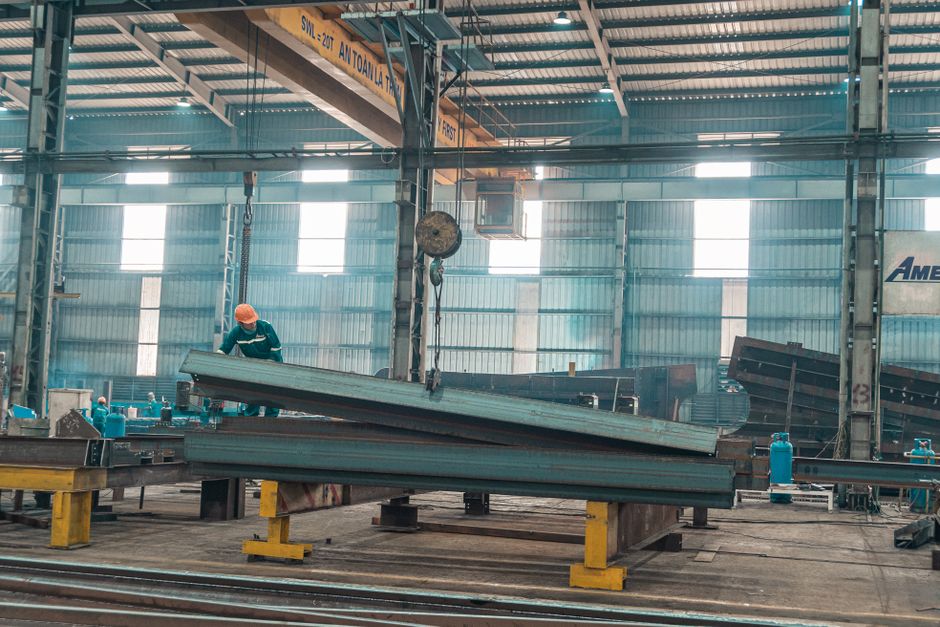
In today’s manufacturing landscape, metal fabrication shops play a vital role in the production of various components, structures, and products. Understanding the intricacies of these facilities can help businesses and individuals alike make informed decisions when seeking metal fabrication services. This article aims to explore the key aspects of metal fabrication shops, their processes, and their significance in various industries.
Understanding Metal Fabrication
Metal fabrication refers to the process of building metal structures by cutting, bending, and assembling various metal components. It is a crucial part of the manufacturing sector, providing essential services to industries such as construction, automotive, aerospace, and more. The complexity of the fabrication process can vary significantly based on the requirements of the project and the materials used.
In a typical metal fabrication shop, skilled professionals utilize advanced machinery and tools to create precise components. These can range from simple brackets to complex assemblies, depending on the needs of the client.
Key Processes in Metal Fabrication
The metal fabrication process generally involves several key steps: cutting, bending, welding, and finishing. Each of these processes requires specialized skills and equipment. For instance, cutting can be performed using methods like laser cutting, plasma cutting, or shearing, each offering different advantages in terms of precision and speed.
Bending is another critical phase where metal sheets are shaped to meet specific design requirements. Techniques such as press braking or roll bending are commonly employed to achieve the desired angles and curves. Following bending, welding is often necessary to join different parts together, ensuring structural integrity and strength.
Materials Used in Metal Fabrication
Various materials are utilized in metal fabrication, each imparting unique properties to the finished product. Common materials include steel, aluminum, copper, and brass. Steel, particularly, is favored for its strength and versatility, making it suitable for a wide range of applications.
Aluminum, on the other hand, is prized for its lightweight characteristics and resistance to corrosion. This makes it ideal for industries such as aerospace, where weight reduction is critical. Understanding the properties of different materials is essential for selecting the right type for any given project.
Applications of Metal Fabrication
The applications of metal fabrication are extensive and varied. In the construction industry, fabricated metal components are used in building structures, bridges, and other infrastructure projects. In the automotive sector, metal fabrication is essential for manufacturing parts such as frames, body panels, and engine components.
Additionally, the aerospace industry relies heavily on metal fabrication for producing aircraft components that need to meet stringent safety and performance standards. This highlights the importance of precision and quality in the fabrication process, as any defects can have critical implications.
Choosing the Right Metal Fabrication Shop
When selecting a metal fabrication shop, several factors should be considered. Reputation, experience, and the range of services offered are crucial elements to evaluate. A reputable shop should have a track record of delivering high-quality products and services.
Moreover, it’s beneficial to choose a shop that utilizes modern technology and equipment, as these can significantly enhance production efficiency and product quality. Requesting samples of previous work and customer testimonials can also provide valuable insights into a shop’s capabilities.
Conclusion
Metal fabrication shops are integral to the manufacturing ecosystem, providing essential services that support various industries. By understanding the processes, materials, and applications involved, businesses can make better decisions when partnering with fabrication shops. As technology continues to advance, the capabilities and efficiency of these shops will only improve, further solidifying their role in modern manufacturing.
About the Author