
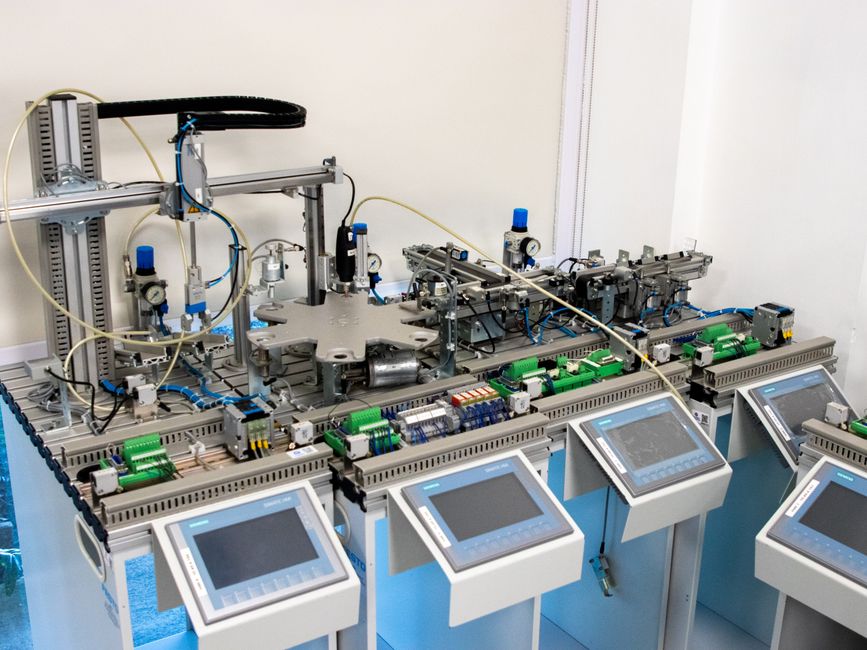
As industries evolve and adapt to the fast-paced demands of the market, the role of industrial automation has become crucial in maintaining competitiveness and efficiency. Automation not only streamlines processes but also enhances productivity, reduces labor costs, and minimizes human error. This article explores the significance of industrial automation suppliers in this transformative landscape and how they are shaping the future of manufacturing.
The Role of Industrial Automation Suppliers
Industrial automation suppliers play a pivotal role in providing the necessary technology and solutions that enable industries to automate their processes. These suppliers offer a wide range of products, including robotics, control systems, sensors, and software that are essential for automating manufacturing operations. By leveraging advanced technologies, these suppliers help businesses achieve higher efficiency and lower operational costs.
In recent years, the demand for automation has surged as companies strive to keep up with global competition. According to a report by the International Federation of Robotics, the number of industrial robots in operation worldwide is expected to reach 4 million by 2025. This growth highlights the increasing reliance on automation technologies supplied by industry leaders. For instance, a notable industrial automation supplier has introduced innovative solutions that have significantly enhanced production lines in various sectors.
Key Technologies and Trends in Industrial Automation
Several key technologies have emerged as game-changers in the field of industrial automation. One of the most notable trends is the rise of the Internet of Things (IoT), which allows devices to connect and communicate with each other. This connectivity enables real-time monitoring and control of manufacturing processes, allowing for quick adjustments and increased efficiency.
Another significant trend is the adoption of artificial intelligence (AI) and machine learning in automation systems. These technologies enable machines to analyze data, learn from patterns, and make decisions without human intervention. As a result, manufacturers can optimize their operations, predict maintenance needs, and enhance overall productivity.
Challenges Faced by Industrial Automation Suppliers
While industrial automation suppliers play a crucial role in transforming the manufacturing sector, they also face several challenges. One of the primary obstacles is the high initial cost of automation solutions. Many small and medium-sized enterprises (SMEs) may hesitate to invest in automation due to budget constraints, despite the long-term benefits.
Additionally, the rapid pace of technological advancements can make it challenging for suppliers to keep up. They must continually innovate and adapt to meet the changing needs of their clients. Moreover, there is a growing concern about cybersecurity, as more devices become interconnected. Suppliers must ensure that their systems are secure to protect sensitive data and maintain trust with their clients.
Case Studies: Success Stories in Industrial Automation
Numerous companies have successfully implemented automation solutions, showcasing the transformative impact of industrial automation suppliers. For example, a leading automotive manufacturer partnered with an automation supplier to revamp its production line. By integrating advanced robotics and AI-driven systems, the manufacturer increased its output by 30% while reducing labor costs by 20%.
Another success story comes from the food and beverage industry, where a company implemented automated packaging solutions provided by a renowned supplier. This move not only improved efficiency but also enhanced product quality and shelf life. Such case studies underline the tangible benefits that automation can bring to various sectors.
The Future Outlook of Industrial Automation
Looking ahead, the future of industrial automation appears promising. As technology continues to advance, suppliers will play an increasingly vital role in helping industries navigate this landscape. The integration of emerging technologies such as blockchain and augmented reality will further enhance the capabilities of automation systems.
Moreover, the growing emphasis on sustainability and eco-friendly practices will drive demand for automation solutions that minimize energy consumption and waste. Suppliers who prioritize sustainable technologies will likely gain a competitive edge in the market.
Conclusion
In conclusion, industrial automation suppliers are at the forefront of revolutionizing the manufacturing sector. Their contributions are essential in helping businesses adapt to the challenges of modern production demands. By embracing advanced technologies and addressing the challenges that arise, these suppliers will continue to shape the future of industrial automation, making it a cornerstone of efficient and sustainable manufacturing.
About the Author