
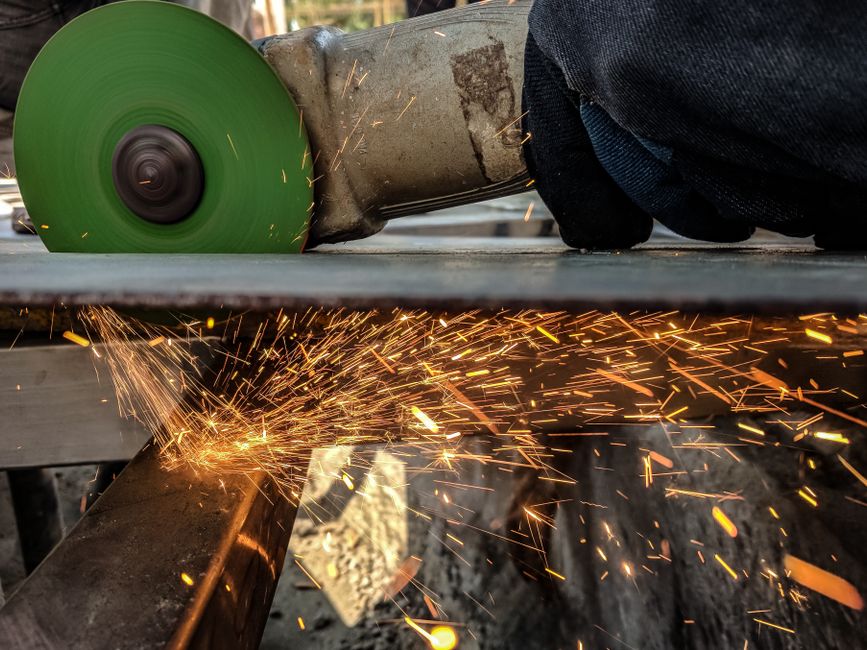
Sheet metal fabrication is a crucial process that plays a vital role in various industries, including construction, automotive, and aerospace. This technique involves transforming flat sheets of metal into specific shapes and sizes to create components used in countless applications. Understanding the nuances of this process can significantly enhance efficiency and precision in manufacturing.
What is Sheet Metal Fabrication?
At its core, sheet metal fabrication refers to the methods used to convert flat sheets of metal into functional products. This process typically includes cutting, bending, and assembling metal sheets to create a desired final product. The materials used can vary widely, including steel, aluminum, copper, and more, each offering distinct properties suitable for different applications.
One of the key aspects of sheet metal fabrication is its versatility. Manufacturers can produce everything from simple brackets to complex enclosures and components for sophisticated machinery. The ability to tailor the fabrication process to meet specific requirements makes it an invaluable resource in modern engineering.
The Processes Involved in Sheet Metal Fabrication
Several essential processes are involved in sheet metal fabrication, each contributing to the overall production efficiency. The primary stages typically include:
- Cutting: This is the first step in the fabrication process, where sheets are cut into required dimensions. Techniques such as laser cutting, water jet cutting, and plasma cutting are commonly used, allowing for high precision and reduced wastage.
- Bending: After cutting, the metal sheets are bent into desired shapes using press brakes or other bending machines. This process is critical for creating contours and angles necessary for the final product.
- Assembling: The final stage involves assembling the cut and bent components into a complete product. This may involve welding, riveting, or using adhesives to ensure the parts fit together securely.
Each process requires careful planning and execution to ensure the final product meets quality standards. For instance, precise cutting reduces the amount of scrap metal generated, saving costs and promoting sustainability.
Applications of Sheet Metal Fabrication
The applications of sheet metal fabrication are vast and varied, reflecting the flexibility of the process. Industries such as automotive rely heavily on fabricated sheet metal for body panels, frames, and other components. In construction, it is used for roofing, HVAC ducts, and decorative elements.
In the aerospace sector, lightweight yet strong fabricated parts are essential for achieving efficiency and performance. For example, aircraft fuselages and wings often incorporate sheet metal components due to their excellent strength-to-weight ratio. Moreover, the manufacturing of medical devices also utilizes this technology to create precise and sterile equipment.
Advancements in Technology
Technology has significantly impacted the sheet metal fabrication industry, enhancing precision and efficiency. The integration of computer-aided design (CAD) and computer-aided manufacturing (CAM) systems allows for seamless transitions from design to production. These technologies enable manufacturers to create complex geometries and optimize material usage.
Furthermore, automation is playing an increasingly vital role in sheet metal fabrication. Robotic arms and automated machining centers can perform repetitive tasks with high accuracy, reducing labor costs and increasing production speed. This trend towards automation not only streamlines processes but also enhances workplace safety by minimizing human exposure to hazardous environments.
Choosing the Right Fabrication Partner
When selecting a sheet metal fabrication partner, it is essential to consider several factors to ensure optimal outcomes. First, evaluate the company’s experience and expertise in the specific type of fabrication required. A provider with a proven track record in your industry will likely understand the unique challenges and requirements better.
Additionally, look for a partner who utilizes modern technology and equipment. Companies that invest in the latest fabrication tools are more likely to produce high-quality, precise components. Finally, consider their commitment to sustainability and waste reduction, as this reflects a company’s dedication to responsible manufacturing practices.
Conclusion
Sheet metal fabrication is a fundamental process that supports a wide range of industries and applications. Understanding its intricacies enables manufacturers to optimize production, enhance product quality, and keep pace with technological advancements. As industries continue to evolve, the importance of proficient sheet metal fabrication will only grow, making it a critical area of expertise for future innovations.
About the Author