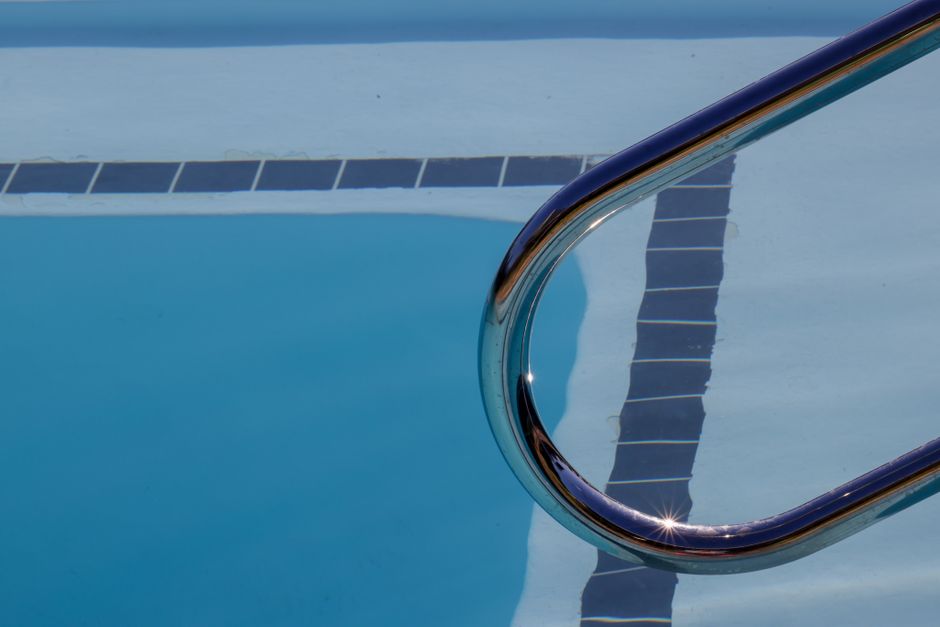
Maintaining a clean swimming pool is essential for its longevity and for the health of its users. Pool cleaning, or limpieza piscinas, involves various tasks that ensure the water remains clear and safe. Regular maintenance not only enhances the aesthetic appeal of your backyard oasis but also prevents costly repairs down the line.
Importance of Regular Pool Cleaning
Regular pool cleaning is crucial for multiple reasons. Firstly, it keeps the water clean and safe for swimming. Contaminants, including dirt, leaves, and bacteria, can accumulate over time. If left unchecked, these elements can lead to health issues for swimmers and can damage pool equipment.
Moreover, maintaining a clean pool can significantly reduce the need for expensive chemical treatments. By addressing issues early through routine cleaning, pool owners can save money in the long run. Statistics show that regular maintenance can extend the lifespan of pool equipment by up to 50%.
Essential Tools for Pool Cleaning
Investing in the right tools is vital for efficient pool cleaning. A basic toolkit should include a skimmer net, a pool brush, and a vacuum. A skimmer net is used to remove debris from the surface of the water, while a brush helps clean the walls and floor of the pool.
For deeper cleaning, a pool vacuum is essential. There are manual and automatic options available, with automatic vacuums being more efficient for regular use. Many pool owners also opt for robotic cleaners, which can navigate the pool independently, providing thorough cleaning with minimal effort.
Step-by-Step Cleaning Process
The cleaning process can be broken down into several steps. Start by skimming the surface of the pool to remove leaves and debris. This task should be done daily, especially during the fall season when leaves are more likely to fall into the water.
After skimming, brush the walls and floor of the pool. This helps to dislodge any algae or dirt that has settled. Pay particular attention to corners where debris tends to accumulate. Following brushing, vacuum the pool to remove the dislodged debris. This process can be done weekly or bi-weekly, depending on usage.
Maintaining Water Chemistry
Water chemistry is another critical aspect of pool maintenance. Regular testing of pH, alkalinity, and chlorine levels ensures that the water remains safe for swimming. Ideally, pH levels should be between 7.2 and 7.8, while chlorine levels should be maintained between 1.0 and 3.0 parts per million.
Balancing these levels not only keeps the water safe but also prevents the growth of algae and bacteria. If the water chemistry is off, it can lead to cloudy water, skin irritation, and increased chemical costs. Regular testing kits are available, and many pool supply stores offer testing services.
Dealing with Algae and Other Contaminants
One of the most common challenges pool owners face is algae growth. Algae can thrive in warm, stagnant water and can quickly turn a clear pool into a murky mess. To combat algae, regular brushing and vacuuming are essential.
If an algae bloom occurs, shock treatment is often necessary. This involves adding a higher dose of chlorine to the pool to kill the algae. After shocking the pool, it’s important to run the filter continuously to clear the dead algae from the water. Regular maintenance can prevent the need for such drastic measures.
Conclusion
Effective pool cleaning is not just about aesthetics; it’s about health, safety, and ensuring a long-lasting investment. By following proper cleaning techniques, using the right tools, and maintaining water chemistry, pool owners can enjoy a clean and safe swimming environment. Remember, consistency is key in maintaining your pool, and investing time into regular cleaning will pay off in the long run.
About the Author