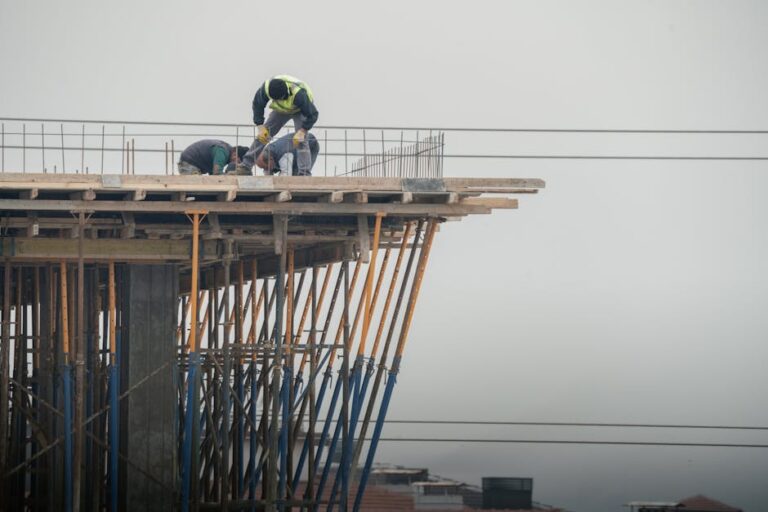
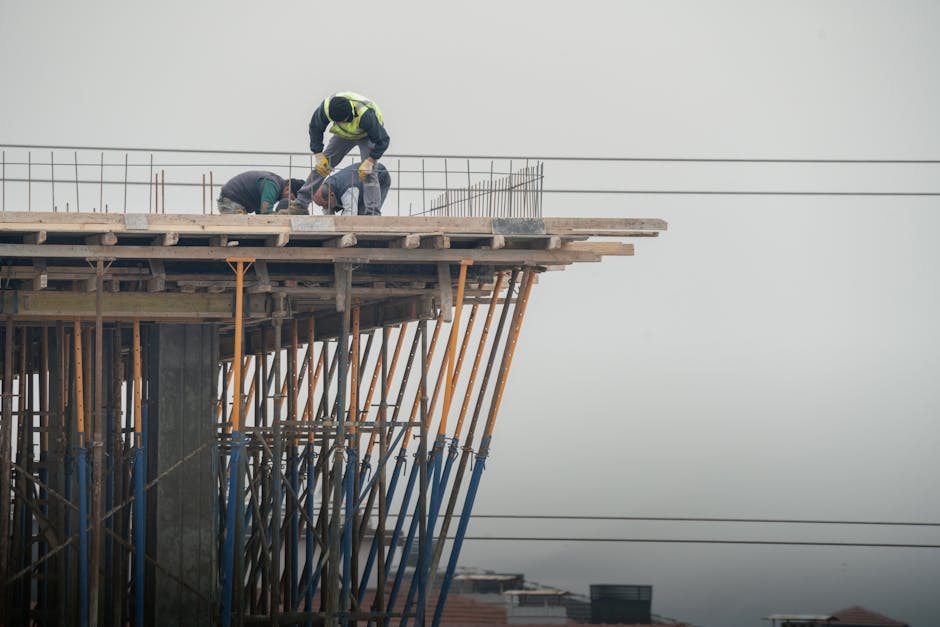
The construction industry stands as a cornerstone of modern economies, underpinning infrastructure development and urbanization. As we delve into this multifaceted sector, it becomes clear that its dynamics are influenced by a myriad of factors, including technological advancements, regulatory requirements, and market trends. In this article, we will explore the various aspects of the construction industry, from its significance to the latest innovations shaping its future.
Understanding the Construction Industry
The construction industry encompasses a wide range of activities, including residential, commercial, and industrial construction. According to the U.S. Bureau of Labor Statistics, the construction industry added over 400,000 jobs in the past year, reflecting a strong recovery post-pandemic. This growth not only highlights the industry’s resilience but also its crucial role in economic recovery.
Moreover, the construction industry is heavily regulated, with numerous safety and environmental standards that companies must adhere to. These regulations are designed to protect workers and ensure sustainable practices, which are increasingly important in today’s climate-conscious society.
Key Trends Shaping the Future
One of the most significant trends in the construction industry is the adoption of technology. From Building Information Modeling (BIM) to drones, technology is revolutionizing the way construction projects are planned and executed. A study by McKinsey & Company found that productivity in construction could increase by up to 15% through the implementation of digital tools.
Another important trend is the shift towards sustainable building practices. Green construction is not only beneficial for the environment but also presents economic advantages. According to a report by the World Green Building Council, green buildings can lead to a 20% reduction in energy costs. As more clients demand sustainable options, companies that prioritize green practices will have a competitive edge.
Challenges Facing the Industry
Despite its growth, the construction industry is not without challenges. Labor shortages continue to plague the sector, with many companies struggling to find skilled workers. The National Association of Home Builders reported that 82% of builders are experiencing a shortage of labor, which can lead to project delays and increased costs.
Furthermore, supply chain disruptions have become a significant issue, exacerbated by the COVID-19 pandemic. Rising material costs and delayed shipments have pressured construction budgets and timelines. Companies must now navigate these challenges while ensuring quality and adherence to schedules.
The Importance of Networking in Construction
Networking plays a vital role in the construction industry, enabling professionals to share knowledge, resources, and opportunities. Joining a construction network can provide invaluable connections, helping businesses to thrive in a competitive landscape. For instance, engaging with a local construction network charlotte nc can lead to collaborations that enhance project success and innovation.
Moreover, having a robust network can support businesses in navigating regulatory environments and accessing new markets. Networking events and forums are excellent venues for discovering industry trends and forging partnerships.
Conclusion: The Future of Construction
As we look ahead, the construction industry is poised for continued growth and transformation. Embracing technology, prioritizing sustainability, and addressing workforce challenges will be pivotal in shaping the future of construction. Companies that adapt to these changes and leverage their networks will not only survive but thrive in this dynamic environment. The construction industry, with its challenges and opportunities, remains a vital component of economic development and innovation.
About the Author