
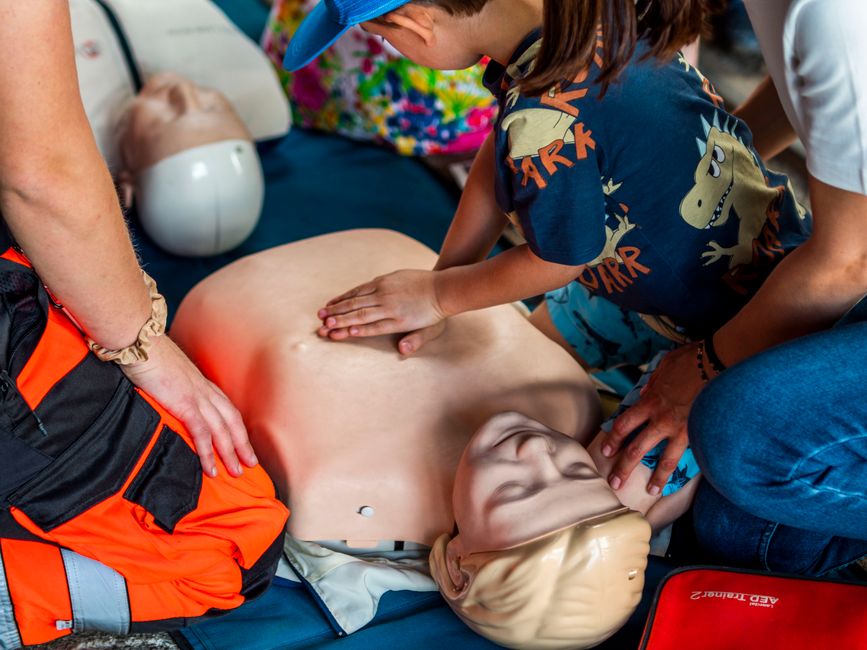
Cardiopulmonary Resuscitation (CPR) is an essential life-saving technique that can be the difference between life and death in emergency situations. This procedure is critical for individuals experiencing cardiac arrest, as it helps maintain blood flow to the brain and vital organs until professional medical help arrives. Understanding how to perform CPR can empower individuals to act swiftly in moments of crisis, potentially saving a life.
Understanding CPR: What is it?
CPR is a combination of chest compressions and rescue breaths that aims to restore circulation and breathing in a person who has stopped breathing or whose heart has stopped beating. The process involves pushing hard and fast on the person’s chest and, in some cases, providing artificial respiration. The technique is designed to keep blood flowing to the brain and other vital organs, significantly increasing the chances of survival.
According to the American Heart Association, effective CPR can double or even triple a victim’s chance of survival after cardiac arrest. This statistic highlights the importance of training and knowledge in performing CPR correctly. Training programs often teach the rhythm and technique needed for effective compressions, emphasizing the importance of speed and depth.
Who Needs CPR Training?
While anyone can benefit from learning CPR, certain groups are particularly encouraged to undergo training. First responders, healthcare professionals, teachers, coaches, and fitness trainers are all examples of individuals who might find themselves in situations where CPR could be necessary. Furthermore, parents and caregivers of young children are also advised to become familiar with CPR procedures.
Consider the scenario of a coach at a youth sports event. If a child suddenly collapses due to a cardiac event, the coach’s knowledge of CPR could mean the difference between life and death. By being trained, these individuals are equipped to respond calmly and effectively, increasing the likelihood of a positive outcome.
How to Perform CPR: A Step-by-Step Guide
Performing CPR can seem daunting, but breaking it down into simple steps can make it more manageable. First, ensure that the scene is safe before approaching the victim. Check for responsiveness by shaking the person and shouting, “Are you okay?” If there is no response, call for emergency help immediately.
Next, assess the individual’s breathing. If the person is not breathing or only gasping, begin CPR. Place the heel of one hand on the center of the chest, with the other hand on top, interlocking the fingers. The compressions should be at least two inches deep and at a rate of 100 to 120 compressions per minute. After every 30 compressions, give two rescue breaths if trained to do so.
It’s important to note that hands-only CPR, which involves chest compressions without rescue breaths, is also effective and recommended for untrained bystanders. This method simplifies the process and encourages more people to take action without fear of performing rescue breaths incorrectly.
The Impact of CPR Training on Communities
Communities that promote CPR training often see a significant increase in survival rates from cardiac arrests. For instance, a study by the European Resuscitation Council found that communities with widespread CPR training programs had survival rates that were nearly double those of communities without such programs.
Moreover, local organizations and health departments are increasingly offering free or low-cost CPR training sessions. These initiatives aim to empower citizens with the skills needed to respond in emergencies, fostering a culture of preparedness and resilience.
As part of this movement, many workplaces are also incorporating CPR training into their safety programs. This not only equips employees with life-saving skills but also contributes to a safer work environment.
Conclusion: The Lifesaving Value of CPR
In conclusion, CPR is an invaluable skill that everyone should consider learning. The ability to perform CPR can dramatically improve the chances of survival for someone experiencing a cardiac emergency. Whether you are a parent, teacher, coach, or simply a concerned citizen, acquiring CPR training can empower you to take action when it matters most.
For those interested in gaining hands-on experience, numerous training programs are available. For instance, you can explore local options, such as HLR kurs Stockholm, to get certified in CPR. Remember, being prepared is the first step toward making a difference in someone’s life.
About the Author