
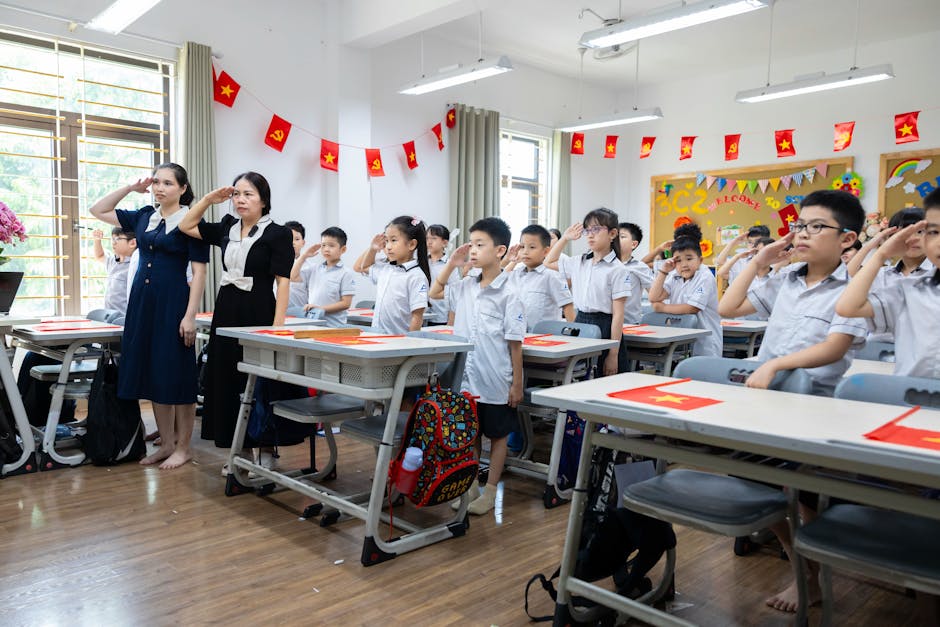
Education has always been a fundamental pillar of society, shaping not only individual futures but also the collective progress of communities and nations. In today’s rapidly changing world, its importance has only increased. As technology evolves and the economy shifts, the role of education in preparing individuals for the challenges ahead cannot be overstated. This article delves into the various dimensions of education, its impact on personal and societal development, and the emerging trends that are reshaping the educational landscape.
The Role of Education in Personal Development
At its core, education is about more than just acquiring knowledge; it is a transformative process that fosters critical thinking, creativity, and emotional intelligence. Through education, individuals learn to navigate the complexities of life, make informed decisions, and develop a sense of self-awareness. A report by the OECD highlights that individuals with higher levels of education tend to have better employment prospects, higher earnings, and improved health outcomes.
Moreover, education empowers individuals to pursue their passions and interests. For example, many students discover their love for science, art, or literature through exposure in schools, leading them to pursue related careers. This not only contributes to personal satisfaction but also enriches society by fostering diverse talents and perspectives.
Furthermore, education plays a crucial role in promoting social mobility. It provides individuals from disadvantaged backgrounds with opportunities to improve their circumstances. Programs aimed at increasing access to quality education for underprivileged youth are essential in breaking the cycle of poverty.
The Impact of Education on Society
Education is a catalyst for social change. A well-educated population is crucial for a thriving democracy, as it encourages informed citizenship and civic engagement. Studies show that higher levels of education correlate with increased participation in political processes, such as voting and community service.
In addition, education contributes to economic growth. Countries with higher education levels tend to experience faster economic development. For instance, the World Bank reports that each additional year of schooling can increase a person’s income by up to 10%. This not only benefits individuals but also boosts national economies.
Moreover, education fosters social cohesion by promoting understanding and tolerance among diverse groups. In multicultural societies, educational institutions play a vital role in teaching values of respect, empathy, and collaboration, which are essential for peaceful coexistence.
Emerging Trends in Education
As we look to the future, several trends are shaping the educational landscape. One significant trend is the rise of online learning. The COVID-19 pandemic accelerated the adoption of digital education platforms, making quality education more accessible to learners around the globe. This shift to online learning not only provides flexibility for students but also allows for a diverse range of courses and resources.
Another trend is the emphasis on lifelong learning. In a fast-paced world where skills can become obsolete quickly, the concept of continuous education has gained traction. Organizations and educational institutions are increasingly offering professional development programs, workshops, and certifications to help individuals stay relevant in the job market.
Additionally, there is a growing focus on integrating technology into the classroom. Tools such as artificial intelligence and virtual reality are being used to enhance the learning experience, making it more interactive and engaging. For example, immersive simulations can provide students with hands-on experiences that traditional teaching methods cannot replicate.
Challenges in the Education Sector
Despite the many benefits of education, significant challenges remain. Access to quality education is still a pressing issue, particularly in developing countries where resources are limited. Many children are unable to attend school due to poverty, conflict, or discrimination, which perpetuates cycles of disadvantage.
Moreover, the quality of education varies widely even within developed nations. Schools in low-income areas often lack the necessary funding, experienced teachers, and adequate facilities, leading to disparities in educational outcomes. Addressing these inequities is essential for ensuring that all individuals have the opportunity to succeed.
Another challenge is the need to adapt curricula to meet the demands of the 21st century. Traditional educational models may not adequately prepare students for the future job market, which increasingly values skills such as critical thinking, collaboration, and digital literacy. Educational institutions must evolve to incorporate these skills into their programs.
Conclusion
In conclusion, education is a powerful tool that shapes individual lives and society as a whole. It fosters personal development, drives economic growth, and promotes social cohesion. As we navigate the complexities of the modern world, it is crucial to address the challenges facing the education sector and embrace emerging trends that enhance learning opportunities for all. By investing in education, we are investing in a brighter future for individuals and communities alike. For those preparing for careers in healthcare, resources like In person Nclex review in Houston can provide invaluable support on the journey to professional success.
About the Author