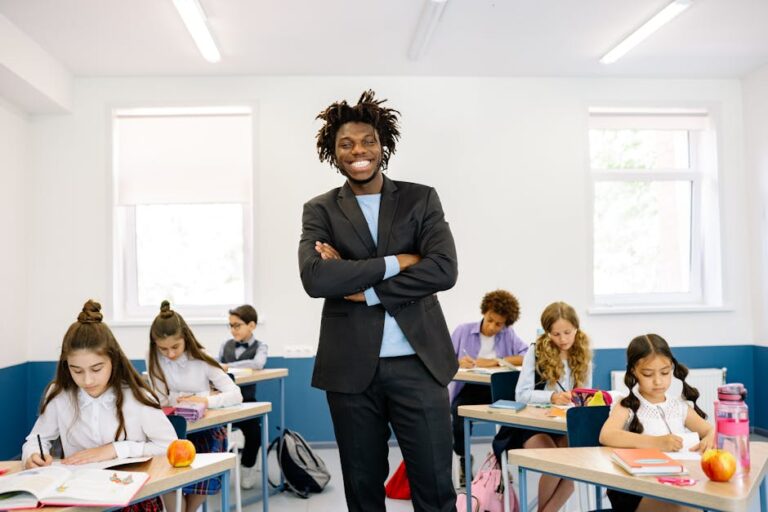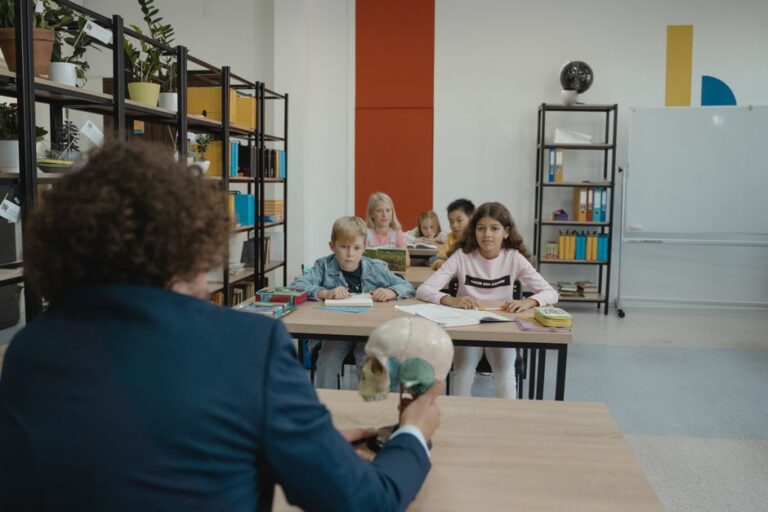

Education is a fundamental pillar of society, shaping not only individual futures but also the trajectory of communities and nations. From the traditional classroom setting to the rise of online learning platforms, the landscape of education has undergone significant changes in recent years. This article explores the evolution of education, highlighting key trends, innovations, and challenges that define the modern educational experience.
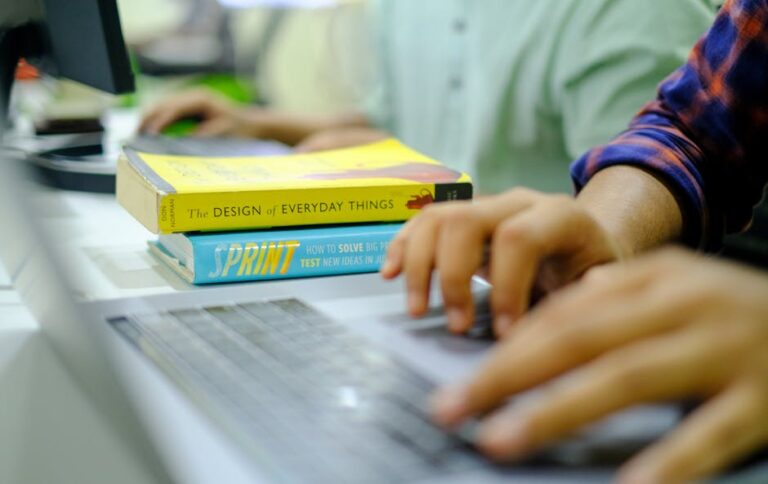
The Shift from Traditional to Digital Learning
In the past, education was predominantly a face-to-face interaction between teachers and students. However, the advent of technology has transformed this dynamic. Digital learning platforms have emerged, allowing students to access educational resources from anywhere in the world. According to a report by the World Economic Forum, over 1.5 billion students worldwide were affected by school closures due to the COVID-19 pandemic, leading to an unprecedented shift to online learning.
These platforms not only provide flexibility but also cater to diverse learning styles. For example, students can choose between video lectures, interactive quizzes, and virtual classrooms, creating a personalized learning experience. Moreover, the integration of artificial intelligence in education is paving the way for adaptive learning systems that can identify individual strengths and weaknesses.
Such innovations are making education more accessible, but they also pose challenges. The digital divide remains a significant issue, as not all students have equal access to technology. This disparity can hinder the learning opportunities for those in underprivileged areas.
The Role of Lifelong Learning
As the job market evolves, the concept of lifelong learning has gained traction. With the rapid pace of technological advancements, professionals are required to continuously update their skills to remain competitive. A survey by the Pew Research Center indicated that 87% of workers believe that continuous learning is essential in today’s economy.
Lifelong learning can take many forms, including online courses, workshops, and professional certifications. Many universities and organizations now offer short-term programs designed to help individuals adapt to changing job requirements. For instance, platforms like Coursera and Udemy provide a wide range of courses that cater to the needs of working professionals.
This shift towards lifelong learning emphasizes the importance of adaptability and resilience in the workforce. As industries evolve, so too must the skills of their workforce, making continuous education a necessity rather than a choice.
The Importance of Social and Emotional Learning
As education becomes increasingly focused on academic performance, there is a growing recognition of the importance of social and emotional learning (SEL). SEL encompasses a range of skills, including emotional regulation, empathy, and teamwork, which are essential for personal and professional success.
Research has shown that integrating SEL into the curriculum can lead to improved student outcomes, including higher academic performance and better mental health. Schools are beginning to adopt programs that prioritize SEL alongside traditional academic subjects, fostering a more holistic approach to education.
For example, many educators are now incorporating mindfulness practices and collaborative projects into their classrooms. These initiatives not only enhance students’ emotional intelligence but also prepare them for the interpersonal challenges they may face in the workplace.
Global Perspectives on Education
Education systems vary widely across the globe, influenced by cultural, economic, and political factors. For instance, countries like Finland have gained international recognition for their innovative approach to education, which emphasizes creativity, critical thinking, and student well-being.
In contrast, some nations still adhere to traditional rote learning methods, which may not adequately prepare students for the demands of the modern workforce. The disparity in educational quality worldwide highlights the need for global cooperation and knowledge sharing to improve educational outcomes.
Organizations such as UNESCO are working towards promoting inclusive and equitable quality education for all, recognizing that education is a fundamental human right. By sharing best practices and resources, countries can learn from one another to create more effective educational systems.
Challenges and Future Directions
Despite the advancements in education, several challenges remain. Issues such as funding disparities, teacher shortages, and resistance to change can hinder progress. Additionally, the rapid pace of technological innovation can outstrip the ability of educational institutions to adapt.
Looking forward, it is crucial for educators and policymakers to collaborate in addressing these challenges. Investment in education, particularly in underserved communities, is essential for fostering an equitable learning environment. Moreover, embracing technology while ensuring that it serves as a tool for inclusivity rather than exclusion is vital.
As education continues to evolve, the integration of innovative practices such as project-based learning and interdisciplinary approaches will be essential. By prioritizing creativity and critical thinking, educators can better prepare students for the complexities of the future.
Conclusion
Education is at a pivotal moment in its evolution, driven by technological advancements and changing societal needs. As we navigate this landscape, it is crucial to remain focused on creating inclusive, equitable, and adaptive educational systems. By embracing lifelong learning, prioritizing social and emotional skills, and learning from global perspectives, we can ensure that education continues to empower individuals and enrich societies. As the saying goes, knowledge is power, and in the modern age, that power must be accessible to all.
For those interested in expanding their understanding of education and its various facets, exploring resources related to education can be incredibly beneficial. One such area to delve into is toto togel, which provides insights into educational trends and practices.
About the Author