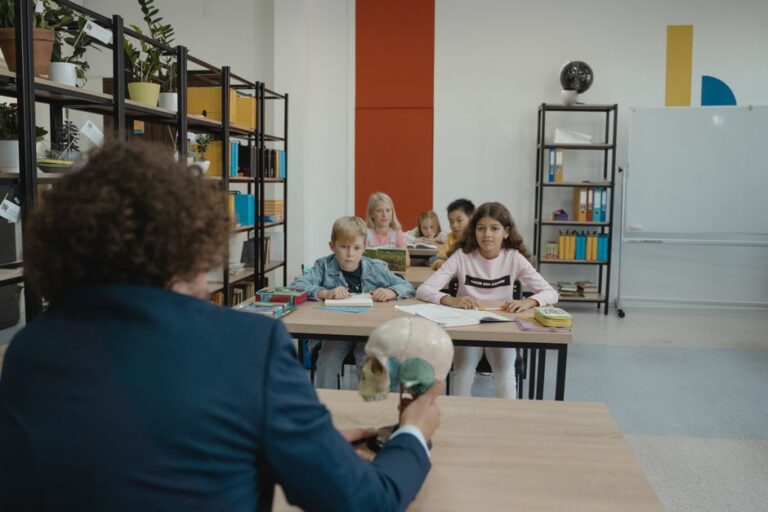

In the rapidly changing world of the 21st century, education has become more vital than ever. With advancements in technology and shifts in societal needs, the education sector is undergoing significant transformations. From traditional classrooms to online learning platforms, the methods and approaches to education are evolving. This article explores these changes, the impact of technology on learning, and the future of education.
The Impact of Technology on Education
Technology has revolutionized many aspects of our lives, and education is no exception. The introduction of digital tools and resources has made learning more accessible and engaging. Online platforms allow students to learn at their own pace, providing them with a wealth of resources that were previously unavailable. For instance, platforms like Khan Academy and Coursera provide courses on various subjects, enabling learners from different backgrounds to gain knowledge easily.
Furthermore, technology facilitates communication between educators and students. Tools such as webinars, video conferencing, and online discussion forums create an interactive learning environment. This shift not only enhances the learning experience but also prepares students for the digital workforce they will enter upon graduation.
However, the integration of technology in education also poses challenges. Not all students have equal access to the internet and digital devices, creating a digital divide. According to a report by the National Center for Education Statistics, approximately 14% of students aged 6 to 18 lack access to the internet at home. This gap must be addressed to ensure that all students can benefit from technological advancements in education.
Personalized Learning: A Growing Trend
Personalized learning has emerged as a significant trend in modern education. This approach tailors learning experiences to meet the individual needs of each student, allowing them to progress at their own pace. With the help of data analytics, educators can identify students’ strengths and weaknesses, enabling them to create customized learning plans.
For example, platforms like DreamBox and SmartyAnts use algorithms to adapt the curriculum based on students’ performance. This individualized approach not only enhances engagement but also boosts academic achievement. A study by the Bill & Melinda Gates Foundation found that personalized learning can lead to improved outcomes in reading and math.
While personalized learning offers numerous benefits, it also requires significant investment in teacher training and resources. Educators must be equipped with the necessary skills to implement personalized learning effectively. Moreover, schools must ensure that they have the technological infrastructure to support this approach.
The Role of Lifelong Learning
In today’s fast-paced world, the concept of lifelong learning has gained prominence. With industries evolving rapidly, individuals must continuously update their skills and knowledge to remain competitive in the job market. Lifelong learning encompasses formal education, professional development, and self-directed learning.
Online courses and certifications have made it easier for professionals to enhance their skills. Platforms like LinkedIn Learning and Udemy offer a wide range of courses that cater to various industries and interests. This accessibility empowers individuals to take charge of their learning journey and adapt to changing job requirements.
Moreover, employers are increasingly recognizing the importance of lifelong learning. Many organizations now offer training programs and resources to support their employees’ professional development. According to a survey by LinkedIn, 94% of employees would stay at a company longer if it invested in their career development.
The Future of Education
The future of education is likely to be characterized by greater flexibility and inclusivity. As more institutions adopt blended learning models that combine online and in-person instruction, students will have more options to customize their learning experiences.
Additionally, the global pandemic has accelerated the adoption of online learning, and many educational institutions are now rethinking their traditional approaches. A report by McKinsey & Company indicates that the shift to online learning has the potential to improve educational outcomes if implemented thoughtfully.
However, as we move forward, it is crucial to address the challenges that come with these changes. Ensuring equitable access to technology and resources must remain a priority. Furthermore, educators need ongoing support and training to adapt to new teaching methods and technologies.
Conclusion
Education in the 21st century is an exciting and dynamic field, driven by technological advancements and a commitment to personalized learning. As we navigate these changes, it is essential to prioritize inclusivity and adaptability. By doing so, we can create an educational landscape that prepares future generations for the challenges and opportunities that lie ahead. In this evolving environment, embracing innovation while addressing the concerns of access and equity will be key to fostering a thriving educational ecosystem. As we look to the future, initiatives such as toto togel highlight the importance of continuous improvement and adaptability in education.
About the Author