
Irrigation systems have become a pivotal component in modern agriculture and landscaping, enabling efficient water management and sustainable practices. As global water scarcity intensifies and the demand for food increases, understanding these systems is more crucial than ever. This article delves into the various types of irrigation systems, their benefits, and the technology behind them, providing a comprehensive overview for those interested in optimizing water usage in agricultural and residential settings.
Understanding Irrigation Systems
An irrigation system is designed to deliver water to plants in a controlled manner. The primary goal is to ensure that crops receive the necessary moisture for growth while minimizing waste. There are several types of irrigation systems, including surface, drip, and sprinkler systems, each with its own advantages and applications.
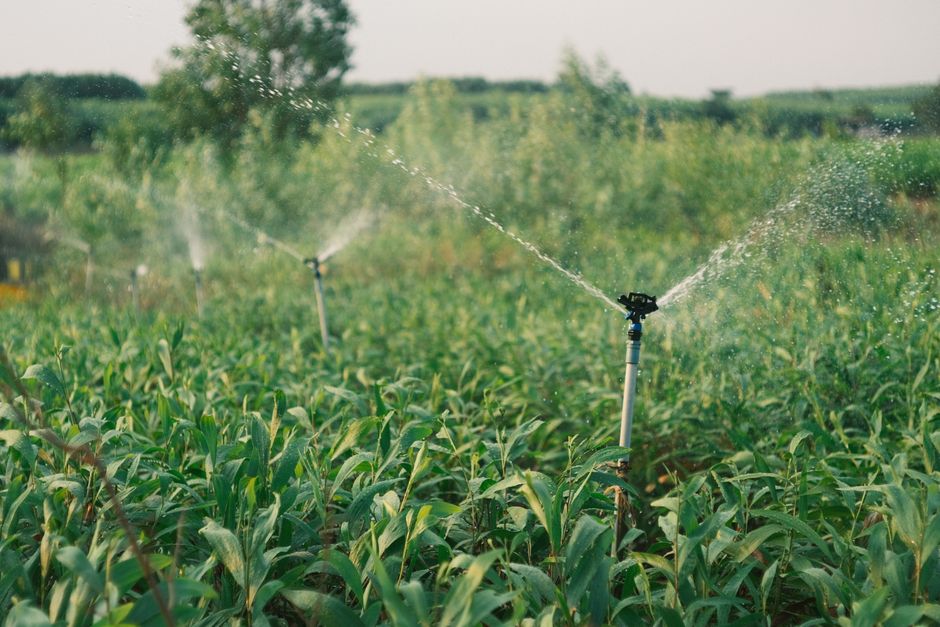
Surface irrigation is one of the oldest methods, where water flows over the soil surface to reach plants. This method is often used in large agricultural fields. Drip irrigation, on the other hand, delivers water directly to the plant’s roots through a network of tubes and emitters, making it one of the most efficient systems available. Sprinkler systems mimic natural rainfall and are ideal for a variety of landscapes, from lawns to large agricultural fields.
Understanding the specific needs of crops and soil types is crucial when selecting an appropriate irrigation system. For instance, sandy soils may require more frequent irrigation due to rapid drainage, while clay soils retain moisture longer and may need less frequent watering.
The Advantages of Modern Irrigation
Modern irrigation systems offer numerous advantages over traditional methods. Firstly, they significantly reduce water consumption, which is essential in areas facing water scarcity. For example, studies have shown that drip irrigation can reduce water usage by up to 60% compared to surface irrigation.
Additionally, these systems enhance crop yield and quality. By providing a consistent water supply, crops can grow more uniformly, leading to better harvests. An example of this can be seen in regions like California, where sophisticated irrigation systems have helped farmers achieve higher yields in arid conditions.
Moreover, modern irrigation technologies often include automation features, such as timers and moisture sensors, which optimize water delivery based on real-time conditions. This not only saves water but also reduces labor costs for farmers and gardeners alike.
Innovations in Irrigation Technology
Recent advancements in technology have transformed irrigation systems into smart solutions for water management. IoT (Internet of Things) devices are increasingly integrated into these systems, allowing for remote monitoring and control. Farmers can now use mobile apps to adjust watering schedules or receive alerts when moisture levels are low.
Furthermore, precision agriculture techniques utilize data analytics to make informed decisions about irrigation. By analyzing soil moisture levels, weather patterns, and crop health, farmers can apply water more efficiently. This data-driven approach has been shown to increase productivity while conserving valuable water resources.
Additionally, solar-powered irrigation systems are gaining popularity, particularly in remote areas where electricity is scarce. These systems harness solar energy to power pumps and sensors, making irrigation more sustainable and cost-effective.
Environmental Considerations
While irrigation systems are essential for agriculture, they also pose environmental challenges. Over-irrigation can lead to waterlogging and salinization of soil, which can harm crop productivity. Therefore, it is crucial to implement sustainable practices when using these systems.
One effective strategy is to use rainwater harvesting techniques in conjunction with irrigation. By collecting and storing rainwater, farmers can supplement their irrigation needs without drawing heavily from groundwater sources.
Moreover, regular maintenance of irrigation systems is vital to ensure their efficiency. Leaks and blockages can waste significant amounts of water, so periodic checks and repairs are necessary. Adopting practices like mulching can also help retain moisture in the soil, reducing the need for frequent irrigation.
Conclusion
In conclusion, irrigation systems play a critical role in modern agriculture and landscaping. With the increasing challenges posed by climate change and water scarcity, understanding and implementing efficient irrigation practices is more important than ever. Whether through traditional methods or modern technologies, optimizing water use can lead to more sustainable agricultural practices and healthier ecosystems. For those looking to enhance their irrigation strategies, exploring the latest innovations and adapting to local conditions will be key to success. For further research and data on irrigation systems, the irrigation system resources are invaluable.
About the Author