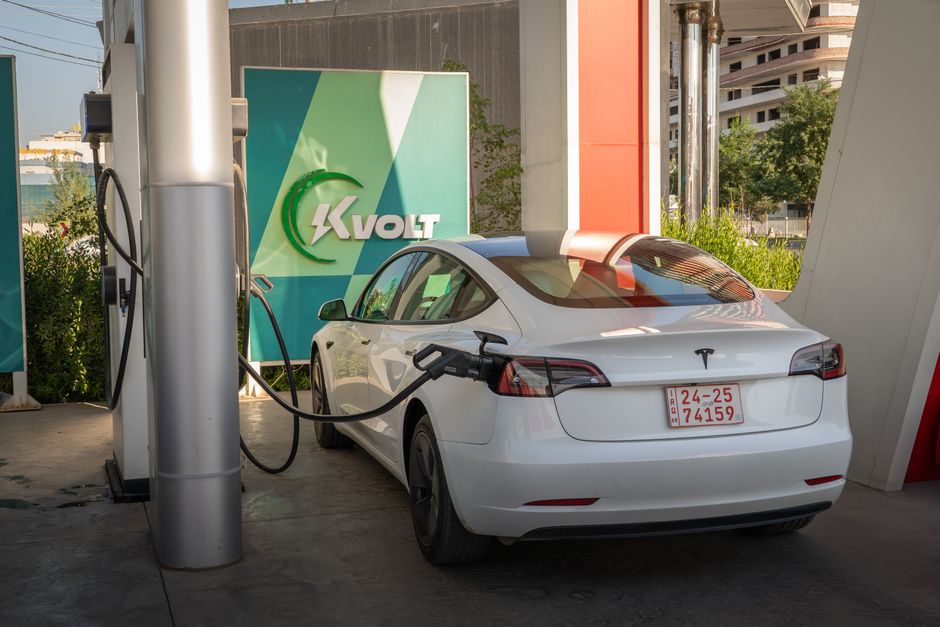
The electric vehicle (EV) market is witnessing an unprecedented surge in demand, driven by the global push for sustainable transportation and advancements in battery technology. As the backbone of EV performance, batteries play a critical role in determining vehicle range, efficiency, and overall user experience. This article delves into the landscape of EV battery suppliers, highlighting key players in the industry and exploring trends that shape the future of electric mobility.
Understanding EV Batteries
Electric vehicle batteries primarily consist of lithium-ion cells, which are favored for their high energy density and long lifespan. These batteries store energy that powers the electric motor and are essential for maximizing the range of an EV. The performance of a battery is influenced by several factors, including its chemistry, thermal management, and manufacturing processes. As the demand for EVs grows, understanding how these batteries work and their importance becomes crucial for consumers and manufacturers alike.
With the global EV market expected to reach over 31 million units by 2030, according to a report by BloombergNEF, the need for efficient and reliable battery suppliers has never been greater. This surge in demand offers significant opportunities for innovation and competition among battery manufacturers.
Top Global EV Battery Suppliers
Several companies have emerged as leaders in the production of EV batteries, each contributing to different aspects of the market. For instance, Tesla, with its Gigafactory, has become synonymous with EV battery production, focusing on scaling up production and reducing costs. Meanwhile, companies like Panasonic and CATL are also pivotal players, supplying batteries not only to Tesla but to a range of automotive manufacturers.
Another notable supplier is LG Energy Solution, which has established partnerships with major automakers such as General Motors and Ford. The collaboration between these companies often focuses on developing next-generation batteries that enhance performance and reduce manufacturing costs.
These suppliers play a vital role in ensuring that the EV market continues to grow and evolve. For more detailed insights into the leading EV battery supplier companies, one can look at their technological advancements and market strategies.
Technological Innovations in Battery Manufacturing
The battery technology landscape is rapidly changing, with innovations aimed at improving battery efficiency, longevity, and safety. Solid-state batteries, for example, represent a significant leap forward in battery technology. These batteries use solid electrolytes instead of liquid ones, offering higher energy densities and improved safety profiles.
Moreover, advancements in battery recycling technologies are being developed to address environmental concerns associated with battery disposal. Companies are investing in closed-loop systems that allow for the recovery of valuable materials, thereby reducing the need for new raw materials and minimizing waste.
As these technologies develop, they promise to reshape the EV market by making electric vehicles more affordable and accessible to consumers, while also addressing environmental sustainability.
Market Trends Influencing EV Battery Supply
Several market trends are currently influencing the dynamics of EV battery supply. One of the most significant trends is the increasing demand for longer-range electric vehicles. Consumers are looking for EVs that can travel further on a single charge, prompting manufacturers to invest heavily in battery technology.
Additionally, the rise of government incentives and regulations aimed at promoting electric vehicles has led to a greater focus on battery production. Countries around the world are setting ambitious targets for EV adoption, which in turn drives the demand for batteries.
Furthermore, the shift towards renewable energy sources is likely to impact battery production processes and materials. As companies strive to prioritize sustainability, the sourcing of materials such as lithium and cobalt is becoming a focal point for ethical production practices.
The Future of EV Battery Supply
Looking ahead, the future of EV battery supply is poised for transformative changes. With the increasing integration of artificial intelligence and automation in manufacturing processes, we can expect higher efficiency and reduced costs in battery production.
Moreover, as competition among suppliers intensifies, innovation is expected to accelerate. Companies will likely focus on developing batteries that not only offer improved performance but also adhere to sustainable practices. This focus on sustainability will shape consumer preferences and influence purchasing decisions in the coming years.
In conclusion, the landscape of EV battery suppliers is evolving rapidly, driven by technological advancements, market trends, and a collective push towards sustainability. As the electric vehicle market continues to grow, the role of battery suppliers will be critical in shaping the future of transportation.
Conclusion
In summary, the electric vehicle battery supply chain is a complex yet fascinating ecosystem that is integral to the growth of sustainable transportation. With key players leading the charge and innovations paving the way for future advancements, the industry is set to witness significant changes that will impact both manufacturers and consumers. Staying informed about these developments will be crucial for anyone involved in the EV market.
About the Author