
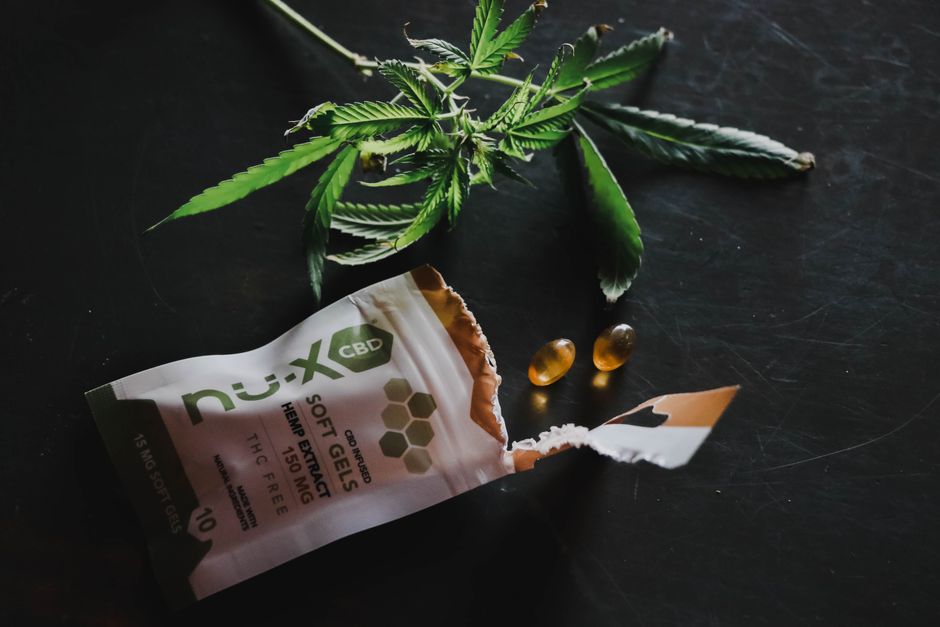
The rise of CBD products has taken the wellness industry by storm, offering a plethora of options for consumers seeking natural remedies. As the market continues to expand, the wholesale sector for CBD products is becoming increasingly significant. This article delves into the dynamics of CBD product wholesale, exploring its benefits, challenges, and the future of this thriving industry.
Understanding the CBD Market Landscape
The CBD market is projected to grow exponentially, with estimates suggesting it could reach $20 billion by 2024. This rapid growth is driven by increasing consumer awareness and acceptance of CBD for its potential health benefits. From oils and tinctures to edibles and topicals, the diversity of products available has made it easier for retailers to cater to various consumer preferences.
Wholesale CBD products present a unique opportunity for businesses to tap into this lucrative market. Retailers can purchase high-quality CBD products at lower prices, allowing them to maximize profit margins while providing competitive prices to consumers. Additionally, establishing relationships with reputable wholesale suppliers can enhance product quality and reliability.
The Benefits of Wholesale Purchasing
One of the primary advantages of engaging in CBD product wholesale is cost efficiency. By buying in bulk, retailers can reduce their per-unit costs significantly. This cost-saving strategy is essential in a competitive market where pricing can be a decisive factor for consumers.
Moreover, wholesale purchasing allows retailers to diversify their product offerings without incurring substantial financial risk. For instance, a retailer can experiment with various CBD product types—such as gummies, capsules, and skincare products—without overcommitting to a single product line. This flexibility can be beneficial in responding to changing consumer trends and preferences.
Challenges in the CBD Wholesale Market
Despite the many advantages, the wholesale market for CBD products is not without its challenges. One of the most significant hurdles is the regulatory landscape. The legality of CBD varies by region, and navigating these regulations can be complex for wholesalers and retailers alike. It is crucial for businesses to stay informed about local laws to ensure compliance and avoid legal issues.
Additionally, the quality of CBD products can vary widely among suppliers. Retailers must conduct thorough research and vet potential wholesale partners to ensure they provide products that meet safety and quality standards. This diligence is essential for building consumer trust and maintaining a positive brand reputation.
Building Strong Relationships with Suppliers
To succeed in the wholesale CBD market, businesses should focus on establishing robust partnerships with reliable suppliers. This relationship-building process involves open communication, transparency, and a mutual understanding of quality standards. Retailers should seek suppliers who provide third-party lab testing results, ensuring their products are free from harmful contaminants and accurately labeled.
Additionally, attending industry trade shows and networking events can help retailers connect with potential suppliers and stay updated on market trends. These interactions can lead to valuable insights and collaborations that can enhance product offerings and marketing strategies.
The Future of CBD Product Wholesale
As consumer demand for CBD products continues to grow, the wholesale market is poised for further expansion. Innovations in product development, including new formulations and delivery methods, will likely drive interest and sales. Retailers who adapt to these changes and remain agile in their business strategies will be well-positioned to thrive in this evolving landscape.
Moreover, the increasing acceptance of CBD in mainstream culture suggests that the wholesale market will attract more players, leading to increased competition. Retailers should stay ahead of the curve by continually assessing consumer preferences and embracing new marketing strategies. For those interested in exploring wholesale opportunities, reputable platforms like CBD product wholesale can provide a solid foundation for success.
Conclusion
The wholesale sector of the CBD market offers significant opportunities for retailers looking to capitalize on the growing demand for these products. By understanding the market dynamics, navigating challenges, and building strong relationships with suppliers, businesses can position themselves for success. As the industry continues to evolve, staying informed and adaptable will be crucial for retailers aiming to thrive in the competitive landscape of CBD.
About the Author