In the ever-evolving landscape of music production, finding the right environment to bring your creative vision to life is crucial. Whether you’re an aspiring artist, a seasoned producer, or a podcaster, the needs of your project may lead you to consider a recording studio rental. This guide will explore everything you need to know about renting a recording studio, from the benefits and types of studios available, to tips on selecting the right one for your needs.
The Benefits of Renting a Recording Studio
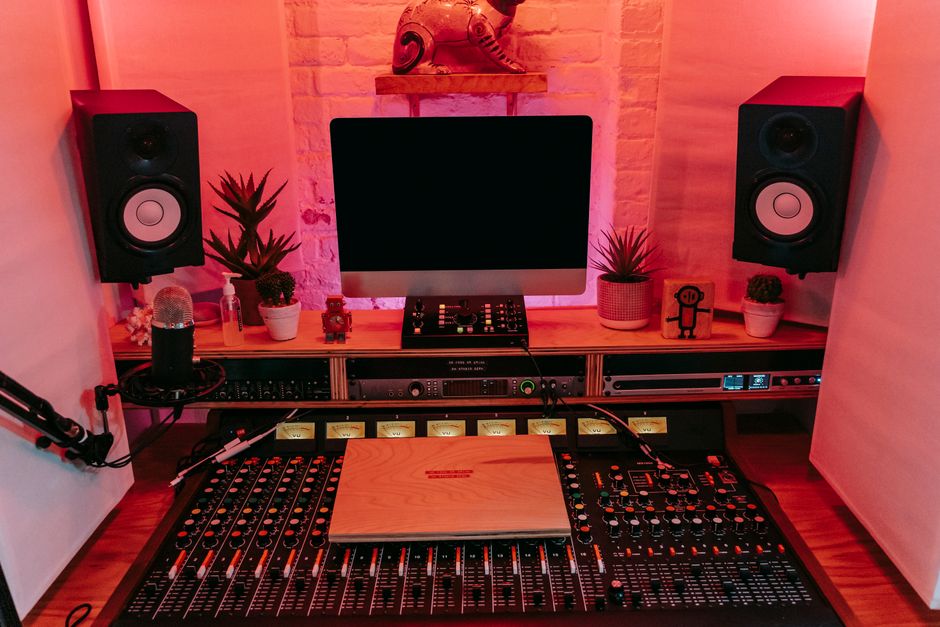
One of the primary advantages of renting a recording studio is access to professional-grade equipment. High-quality microphones, mixing consoles, and soundproofing materials can significantly enhance the sound quality of your recordings. For many independent artists and producers, purchasing this equipment can be prohibitively expensive. Renting a studio allows you to use these tools without the substantial upfront costs.
Moreover, recording studios often come equipped with experienced sound engineers who can assist in the production process. These professionals can offer valuable insights into mixing and mastering, ensuring that your final product meets industry standards. This level of expertise can be particularly beneficial for those who may not have extensive technical knowledge.
Additionally, a professional studio environment can foster creativity. The ambiance of a well-designed studio, combined with the absence of everyday distractions, can help artists focus on their work. This dedicated space often inspires creativity and collaboration, making it an ideal setting for recording sessions.
When considering a recording studio rental, it’s essential to understand the various types of studios available. Studios can generally be categorized into three types: project studios, commercial studios, and home studios.
Project studios are typically smaller, more affordable spaces that cater to independent artists and producers. These studios often provide basic recording capabilities, making them a great option for those just starting out or working on a tight budget. They may not have the same level of equipment or soundproofing as larger studios, but they can still produce high-quality recordings.
Commercial studios, on the other hand, are fully equipped with professional-grade equipment and are staffed by experienced engineers. These studios often cater to established artists and larger projects, offering extensive services such as mixing, mastering, and sound design.
Home studios have gained popularity with advancements in technology, allowing artists to record from the comfort of their homes. While they can be convenient, they may lack the professional sound quality and acoustics found in dedicated studios. However, many artists opt for a hybrid approach, utilizing both home and rental studios for different aspects of their projects.
Choosing the right recording studio involves several considerations to ensure it meets your specific needs. First and foremost, assess your budget. Recording studio rental prices can vary significantly based on location, equipment, and services offered. It’s essential to find a studio that provides the best value for your investment.
Additionally, consider the studio’s acoustics and equipment. Visit the studio beforehand if possible, and listen to past recordings made there. This can give you a sense of the studio’s sound quality and help you determine if it’s the right fit for your project.
Another crucial factor is the staff. A knowledgeable engineer can make a significant difference in the quality of your recordings. Look for studios with experienced personnel who have a track record of working with artists in your genre. Their expertise can guide you through the recording process and help you achieve the sound you envision.
Once you’ve chosen a studio, preparation is key to a successful recording session. Start by planning your songs and arrangements in advance. Having a clear idea of what you want to achieve will save time and ensure a smoother workflow during your session.
Additionally, rehearse with your band or collaborators before the recording day. This rehearsal not only helps tighten your performance but also builds confidence in the studio. The more prepared you are, the more productive your recording session will be.
Don’t forget to communicate with the studio staff about your needs and expectations. Sharing your vision and any specific requirements you have can help them tailor the experience to suit your project.
Renting a recording studio can be a transformative experience for any artist or producer. By understanding the benefits, types of studios available, and how to select and prepare for your session, you can maximize the potential of your recording endeavors. With the right approach, your investment in a recording studio rental can lead to high-quality productions that resonate with your audience and elevate your artistic career.
About the Author