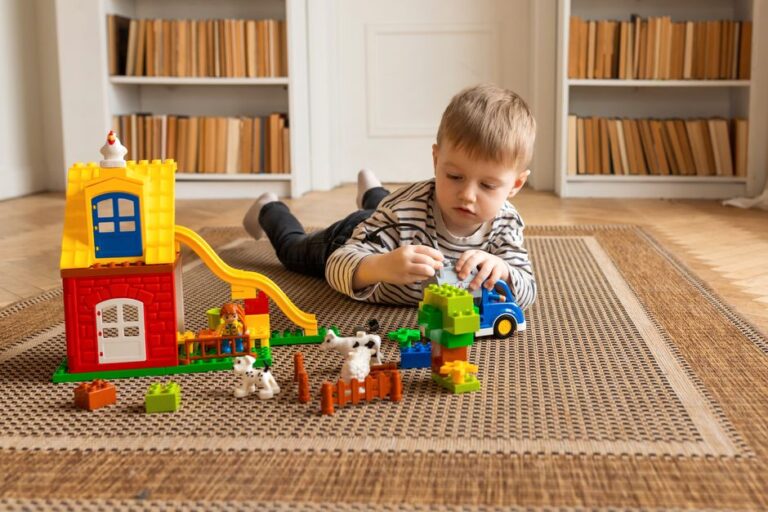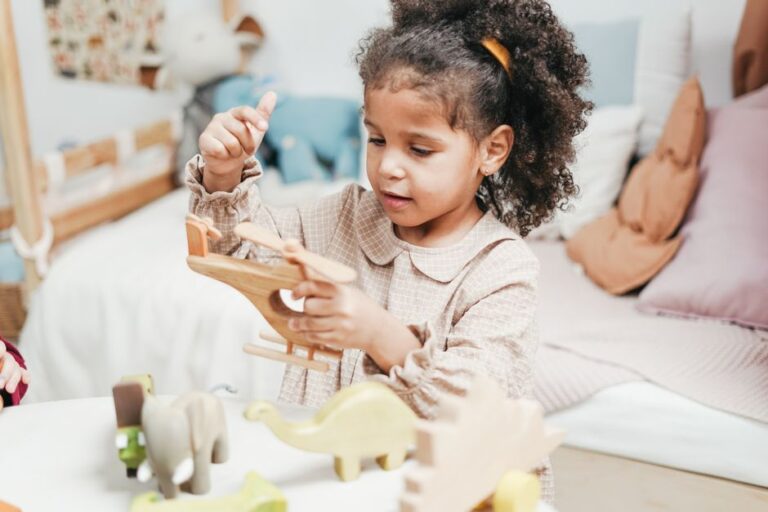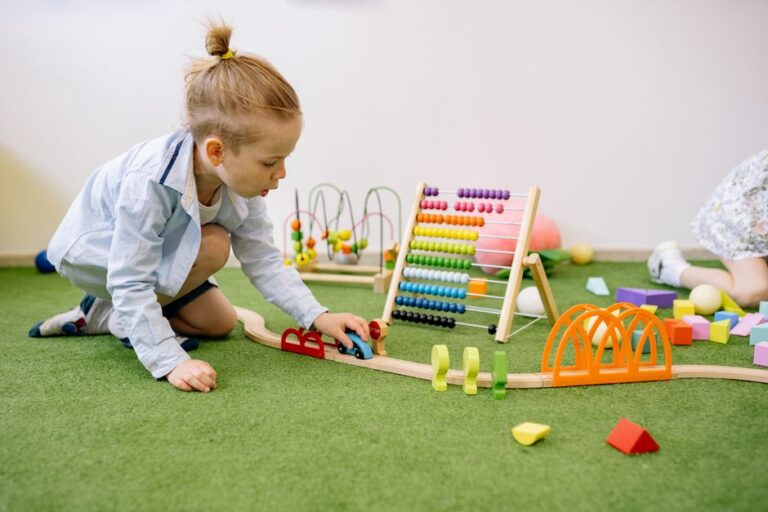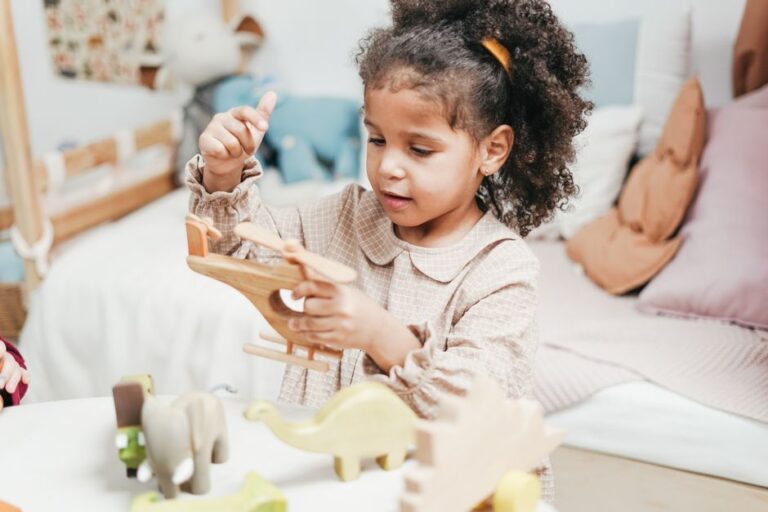
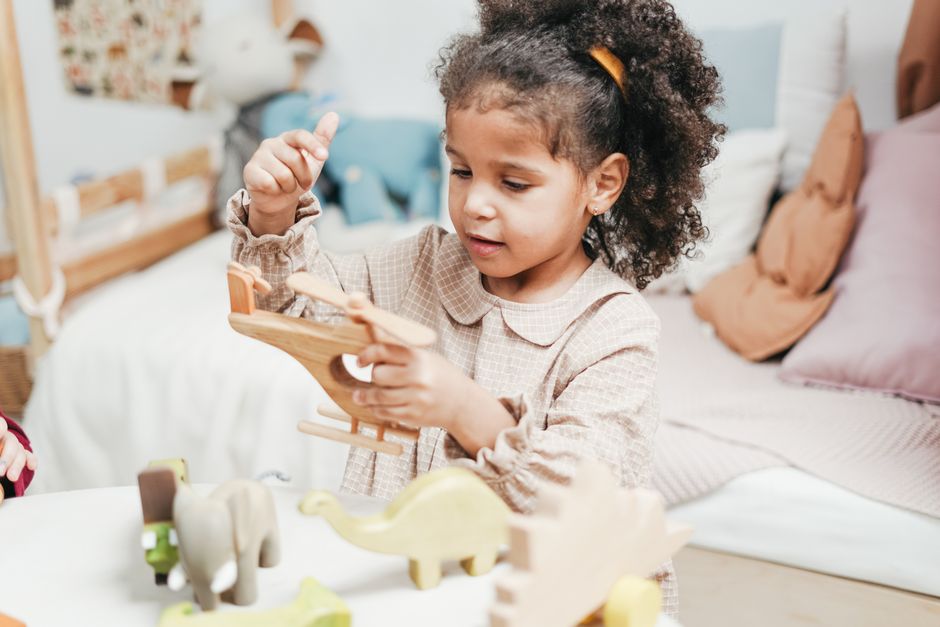
The children toy manufacturing industry is a vibrant and dynamic sector that plays a crucial role in the growth and development of young minds. With the increasing demand for innovative and educational toys, manufacturers are constantly evolving to meet the needs of parents and children alike. In this article, we will explore the various aspects of children toy manufacturing, from the design process to market trends, and what it takes to succeed in this competitive landscape.
The Design Process: From Concept to Creation
The journey of a toy begins with a concept. Designers and engineers brainstorm ideas that not only captivate children’s imaginations but also adhere to safety standards. This stage involves sketches, prototypes, and extensive testing to ensure that the toy is not only fun but also safe for children. For instance, many manufacturers use eco-friendly materials to appeal to environmentally conscious consumers and comply with regulations.
Once a design is finalized, manufacturers must navigate the complexities of production. This involves sourcing materials, establishing supply chains, and managing labor costs. The efficiency of this process can significantly affect the final product’s price point. In fact, according to recent studies, companies that streamline their production processes can reduce costs by up to 30%, giving them a competitive edge in the market.
Market Trends: Understanding Consumer Preferences
The toy market is influenced by various factors, including cultural trends, technological advancements, and consumer preferences. For instance, the recent surge in demand for STEM (Science, Technology, Engineering, and Mathematics) toys reflects a growing awareness among parents about the importance of educational play. Manufacturers are responding by creating toys that not only entertain but also educate, fostering skills that are essential for future success.
Moreover, the rise of digital play has transformed the landscape. Many traditional toy manufacturers are now incorporating technology into their products, creating a hybrid of physical and digital play experiences. This trend is evident in products like augmented reality toys, which offer interactive experiences that engage children in new ways. Companies that adapt to these trends are more likely to thrive in an ever-changing market.
Sustainability in Toy Manufacturing
As consumers become increasingly aware of their environmental impact, sustainability has emerged as a critical consideration for toy manufacturers. Many companies are re-evaluating their practices to minimize waste and reduce their carbon footprint. This includes using biodegradable materials, implementing recycling programs, and ensuring ethical labor practices.
For example, several leading children toy manufacturers are now producing toys from recycled plastics, significantly reducing the amount of new plastic used in production. This shift not only appeals to eco-conscious consumers but also sets a standard for the industry as a whole. According to a survey, 70% of parents are willing to pay more for toys that are environmentally friendly, highlighting the importance of sustainability in the manufacturing process.
Challenges in the Industry
Despite the growth and opportunities in the children toy manufacturing industry, there are significant challenges that companies must navigate. One of the most pressing issues is the ever-changing regulations concerning toy safety. Manufacturers must stay informed about the latest standards to avoid costly recalls and ensure the safety of their products.
Additionally, the global supply chain disruptions caused by events like the pandemic have highlighted vulnerabilities in manufacturing processes. Companies must develop contingency plans and diversify their supply chains to mitigate risks and maintain production levels. For instance, adopting local sourcing strategies can help reduce dependency on international suppliers and improve resilience.
Conclusion: The Future of Children Toy Manufacturing
The future of children toy manufacturing looks promising, driven by innovation, sustainability, and a deep understanding of consumer needs. As manufacturers strive to create toys that educate, inspire, and engage, the industry will continue to evolve. By embracing new technologies, prioritizing sustainability, and adapting to market trends, companies can position themselves for success in this competitive landscape. For those interested in exploring this vibrant industry further, resources such as a reputable children toy manufacturer can provide valuable insights and inspiration.
About the Author