The world of children’s toys has undergone a remarkable transformation over the years, driven by technological advancements and changing consumer preferences. From simple wooden blocks to sophisticated interactive toys, manufacturers have continuously adapted to meet the needs of young consumers and their parents. In this article, we will explore the evolution of children toy manufacturers, the current trends shaping the industry, and the innovations that are setting the stage for the future.
Historical Overview of Toy Manufacturing
To understand the current landscape of children toy manufacturers, it’s essential to delve into the history of toy production. The origins of toy manufacturing can be traced back to ancient civilizations, where toys were crafted from materials available at the time, such as wood, clay, and textiles. As industrialization took hold in the 19th century, mass production techniques revolutionized the toy industry, allowing for the creation of a wider variety of toys at lower costs.
Throughout the 20th century, iconic toys such as dolls, action figures, and board games emerged, becoming staples in children’s playtime. The introduction of plastic in the mid-1900s further expanded the possibilities for toy design and production. This period also saw the rise of major toy companies, establishing brand loyalty among consumers.
By the late 20th century, globalization began to influence toy manufacturing. Companies started outsourcing production to countries with lower labor costs, significantly impacting pricing and availability. This shift allowed small manufacturers to enter the market, providing unique, niche products that appealed to specific consumer segments.
Current Trends in the Toy Industry
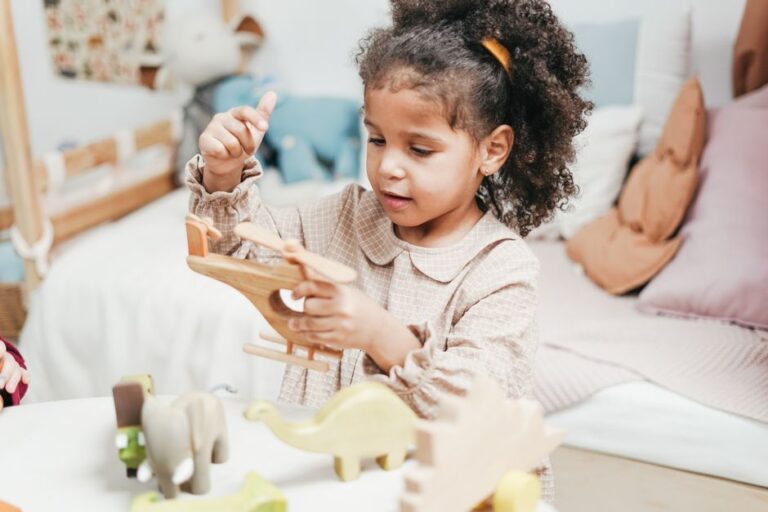
Today, children toy manufacturers are navigating a rapidly changing market characterized by several key trends. One of the most significant trends is the growing demand for sustainable and eco-friendly toys. Parents are increasingly concerned about the environmental impact of the toys they purchase, leading manufacturers to explore biodegradable materials and sustainable production methods.
Additionally, the rise of technology has led to the popularity of smart toys. These interactive products often incorporate elements of artificial intelligence, enabling them to engage with children in new and exciting ways. Parents appreciate the educational value of these toys, which can promote learning and development through play.
Moreover, the trend of inclusivity in toys has gained momentum. Manufacturers are now focusing on creating toys that represent diverse cultures, abilities, and genders, allowing all children to see themselves reflected in their toys. This shift not only enhances play experiences but also fosters a sense of belonging among children.
Innovations Shaping the Future of Toy Manufacturing
As we look to the future, several innovations are poised to shape the landscape of children toy manufacturers. One of the most exciting developments is the integration of augmented reality (AR) and virtual reality (VR) into toys. These technologies have the potential to create immersive play experiences that blend physical and digital worlds, captivating children’s imaginations like never before.
In addition, 3D printing technology is revolutionizing the way toys are designed and produced. Manufacturers can now create customized toys tailored to individual preferences, allowing for greater personalization. This shift not only enhances consumer satisfaction but also reduces waste associated with mass production.
Furthermore, the rise of subscription-based toy services is changing how families access toys. These services provide curated selections of toys delivered to homes regularly, allowing children to explore new products without the commitment of ownership. This model not only caters to the desire for variety but also aligns with the trend of minimalism among many modern families.
The Role of Safety Standards in Toy Manufacturing
Safety remains a top priority for children toy manufacturers. With increasing scrutiny from parents and regulatory bodies, companies must adhere to stringent safety standards to ensure their products are safe for children. This includes rigorous testing for materials, design, and potential hazards.
In many countries, specific regulations govern toy safety, requiring manufacturers to comply with guidelines set by organizations such as ASTM International and the American Society for Testing and Materials. These standards cover various aspects, including choking hazards, toxic substances, and labeling requirements.
Moreover, manufacturers are increasingly investing in safety features, such as rounded edges and non-toxic materials, to enhance the overall safety of their products. This commitment not only protects children but also builds trust and loyalty among consumers.
Conclusion: The Future of Children Toy Manufacturers
The landscape of children toy manufacturers is dynamic and constantly evolving, driven by trends in sustainability, inclusivity, and technology. As manufacturers continue to innovate and adapt to changing consumer preferences, the future looks bright for the toy industry. Companies that prioritize safety, creativity, and environmental responsibility will likely thrive in this competitive market.
In conclusion, as we witness the evolution of toys, it becomes clear that the role of children toy manufacturers extends beyond mere production. They play a crucial role in shaping childhood experiences and fostering the development of the next generation. With a focus on innovation and social responsibility, the toy industry is well-positioned to inspire and delight children for years to come. To explore more about the innovations in this field, check out this children toy manufacturer.
About the Author