
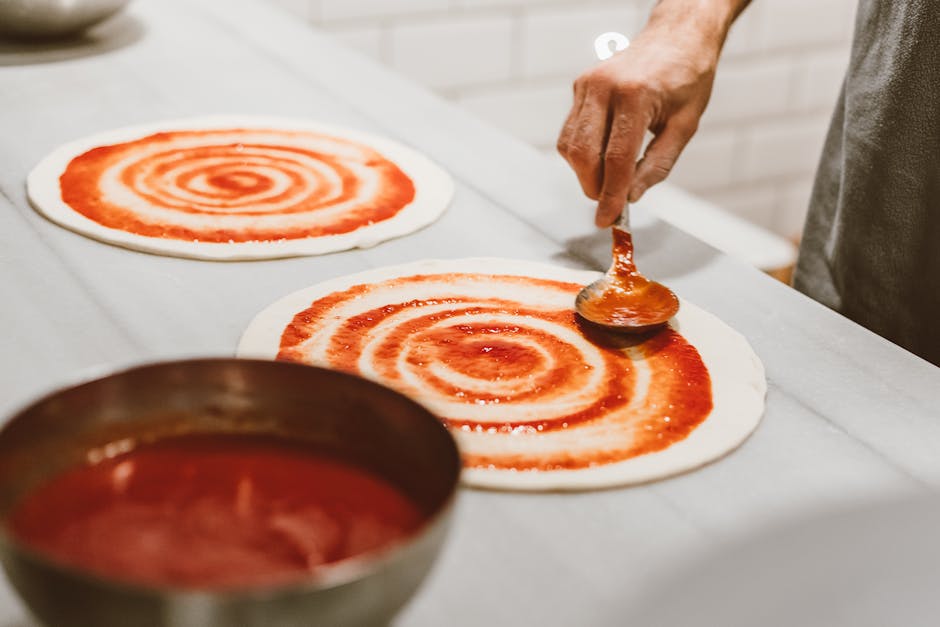
Handmade pizza is not just a meal; it is an experience that combines tradition, creativity, and a touch of personal flair. From the dough to the toppings, each step in the process offers a unique opportunity to explore flavors and techniques that elevate this beloved dish to new heights. This article delves into the intricate world of handmade pizza, exploring its origins, essential techniques, and the joy of creating your own masterpiece at home.
The Origins of Pizza: A Brief History
Pizza, as we know it today, has roots that trace back to ancient civilizations. The concept of flatbreads topped with various ingredients can be found in cultures around the Mediterranean. However, it was in Naples, Italy, during the late 18th century that pizza began to take on its modern form. The Margherita pizza, handcrafted with tomatoes, mozzarella cheese, and fresh basil, symbolizes the Italian flag’s colors and remains a classic even today.
This rich history provides a backdrop for understanding the handmade pizza movement, which emphasizes quality ingredients and traditional methods. Handmade pizza allows chefs and home cooks alike to connect with this history, embracing the art of crafting each component from scratch.
Essential Ingredients for Handmade Pizza
The foundation of any great handmade pizza begins with high-quality ingredients. The dough is paramount, and using bread flour or “00” flour can make a significant difference in texture. A simple recipe involves flour, water, yeast, and salt, but the magic lies in the kneading and fermentation process. Allowing the dough to rise for an extended period enhances its flavor and structure, resulting in a crust that is both chewy and crisp.
Next, the sauce is crucial. Traditional Neapolitan pizza sauce uses San Marzano tomatoes, known for their sweetness and low acidity. Fresh mozzarella cheese, preferably made from buffalo milk, is essential for achieving that creamy, melty texture. Finally, fresh toppings like basil, pepperoni, or seasonal vegetables can personalize your creation. The choice of toppings is where creativity flourishes, allowing for endless combinations.
Techniques for Perfecting Your Pizza
Crafting the perfect handmade pizza requires practice and attention to detail. One of the key techniques is stretching the dough. Instead of using a rolling pin, which can deflate the dough, use your hands to gently stretch it into a round shape. This technique preserves the air bubbles that contribute to a light and airy crust.
Cooking temperature is another critical factor. A traditional wood-fired oven can reach temperatures of up to 900°F, cooking a pizza in mere minutes. If you don’t have access to such an oven, a pizza stone in a conventional oven can help replicate this effect. Preheat your oven for at least an hour before baking to ensure the stone is hot enough to create a crispy base.
The Joy of Experimentation
One of the most exciting aspects of making handmade pizza is the freedom to experiment. While traditional recipes are essential, don’t be afraid to try new combinations of flavors and ingredients. For example, using unique cheeses like gorgonzola or smoked gouda can add a depth of flavor that surprises and delights. Likewise, incorporating different sauces, such as pesto or barbecue, opens up a new realm of possibilities.
Additionally, consider exploring alternative crust options. Cauliflower crusts, for instance, have gained popularity as a gluten-free alternative, providing a different texture and flavor profile. The adaptability of pizza makes it a canvas for culinary creativity.
Bringing Handmade Pizza to Your Table
Once you’ve perfected your pizza-making skills, it’s time to share your creations. Hosting a pizza night with friends or family can be a delightful way to bring everyone together. Set up a pizza-making station with various ingredients and let guests customize their own pies. This interactive experience not only showcases your handmade pizza skills but also fosters a sense of community and enjoyment.
To further enhance your pizza nights, consider pairing your handmade pizzas with appropriate beverages. Craft beers, Italian wines, or even homemade sodas can complement the flavors of your pizza perfectly. The experience of enjoying handmade pizza is not just about the food but also about the memories created around the table.
Conclusion: Celebrate the Craft of Handmade Pizza
Handmade pizza is more than just a meal; it is a celebration of creativity, tradition, and community. By embracing the art of crafting your own pizzas, you connect with a rich history while also expressing your personal culinary style. Whether you stick to classic recipes or venture into innovative territory, the joy of handmade pizza lies in the journey of creation. So gather your ingredients, roll up your sleeves, and let the pizza-making adventure begin. And for those looking for an upscale twist on pizza, check out LUXURY 777, where gourmet flavors meet artisanal craftsmanship.
About the Author