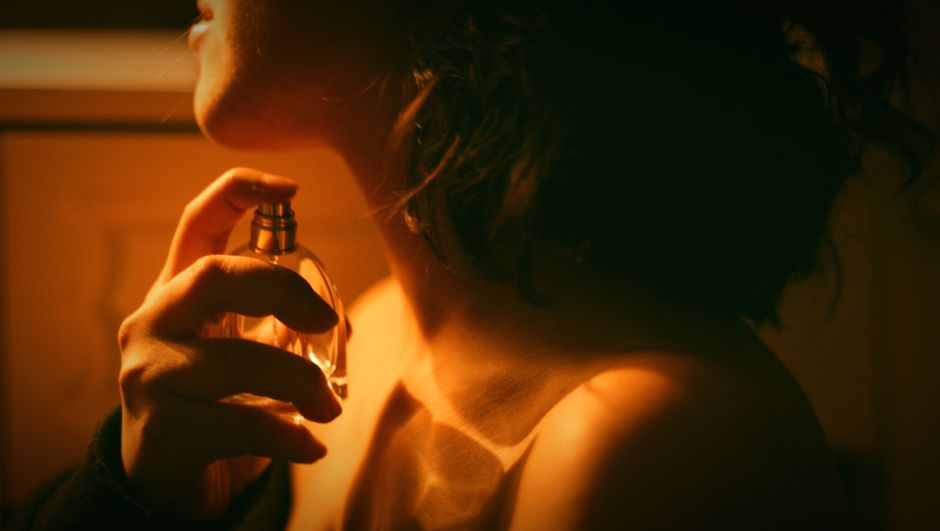
Perfume has been an integral part of human culture for centuries, serving not only as a means of personal adornment but also as a reflection of identity and emotion. From ancient civilizations to modern luxury brands, the world of fragrance is vast and intricate. This article delves into the fascinating history, science, and artistry behind perfume, exploring how it shapes our experiences and influences our perceptions.
The Rich History of Perfume
The origins of perfume can be traced back to ancient Egypt, where scents were used in religious rituals and personal grooming. The Egyptians believed that fragrances connected them to the divine, often creating oils and balms infused with precious ingredients. As trade routes expanded, so did the knowledge of fragrance-making, with the art spreading to Greece and Rome. Historical texts indicate that perfumes were not only popular among the elite but also used in everyday life.
During the Renaissance, perfume gained further prominence in Europe, particularly in France, which became a hub for fragrance production. The introduction of new ingredients, such as jasmine and rose, allowed perfumers to create more complex and appealing scents. Today, France remains synonymous with luxury perfume, housing iconic houses and celebrated perfumers.
In the modern era, perfume has evolved into a multi-billion dollar industry, with countless brands and fragrances available. Each scent tells a story, capturing the essence of emotions, memories, and experiences. Whether it’s the freshness of citrus or the warmth of vanilla, perfumes evoke feelings that can transport us through time and space.
The Science Behind Scent
While the artistry of perfume is often celebrated, the science behind it is equally fascinating. Perfumes are composed of various aromatic compounds that interact with our olfactory receptors, enabling us to perceive different scents. These compounds can be natural, derived from plants and flowers, or synthetic, created in laboratories to replicate the essence of nature.
The structure of a perfume typically consists of three layers: top notes, middle notes, and base notes. Top notes are the initial scents that we perceive immediately upon application, often fresh and light. Middle notes, or heart notes, emerge after the top notes fade, providing the body of the fragrance. Finally, base notes are the lingering scents that provide depth and richness, often lasting for hours after application.
The combination of these notes is what makes each fragrance unique. Perfumers use their expertise to balance these elements, creating scents that are harmonious and captivating. The right blend can evoke powerful emotions, making perfume a potent tool for personal expression.
The Art of Choosing a Perfume
Choosing a perfume can be a deeply personal experience, influenced by individual preferences, body chemistry, and even cultural factors. When selecting a fragrance, it’s essential to consider the occasion and the impression you wish to make. For instance, lighter scents may be more appropriate for daytime wear, while richer, deeper fragrances are often favored for evening events.
It’s also important to test perfumes on your skin rather than relying solely on scent strips. Body chemistry can alter how a fragrance smells, making it essential to experience it in real-life conditions. Experts recommend applying a small amount to pulse points, allowing the scent to develop over time before making a decision.
Additionally, understanding the different fragrance families—such as floral, oriental, woody, and fresh—can help narrow down your options. Each family has its characteristics and appeals to different personalities and moods. For instance, floral scents are often associated with femininity and romance, while woody fragrances may convey strength and sophistication.
The Role of Perfume in Culture and Identity
Perfume is more than just a personal accessory; it is a cultural artifact that reflects societal values and norms. In many cultures, specific scents are associated with traditions, rituals, and celebrations. For example, in some Middle Eastern countries, oud, a resinous wood, is treasured for its deep, rich aroma and is often used in social gatherings and special occasions.
Moreover, the use of perfume can signify status and identity. Luxury brands often create exclusive scents that cater to a select clientele, reinforcing the idea that fragrance can be a symbol of sophistication and wealth. Brands like Maison Francis Kurkdjian (MFK) have established themselves as leaders in the industry, offering unique and high-quality fragrances that appeal to discerning customers.
In contemporary society, many individuals use fragrance as a form of self-expression. The scent we choose can reflect our personality, mood, and even our aspirations. As consumers become more aware of the impact of scents on emotions and memories, the demand for personalized fragrances continues to grow.
Conclusion: The Timeless Charm of Perfume
Perfume is a captivating blend of history, science, and artistry, with the power to evoke emotions and memories that transcend time. From its ancient origins to its modern-day significance, the world of fragrance is ever-evolving yet remains rooted in tradition.
As we navigate this olfactory landscape, understanding the nuances of scent can enhance our appreciation for perfume and its role in our lives. Whether it’s a signature scent or a seasonal fragrance, the allure of perfume is timeless, inviting us to explore and express ourselves through the art of scent.
About the Author