
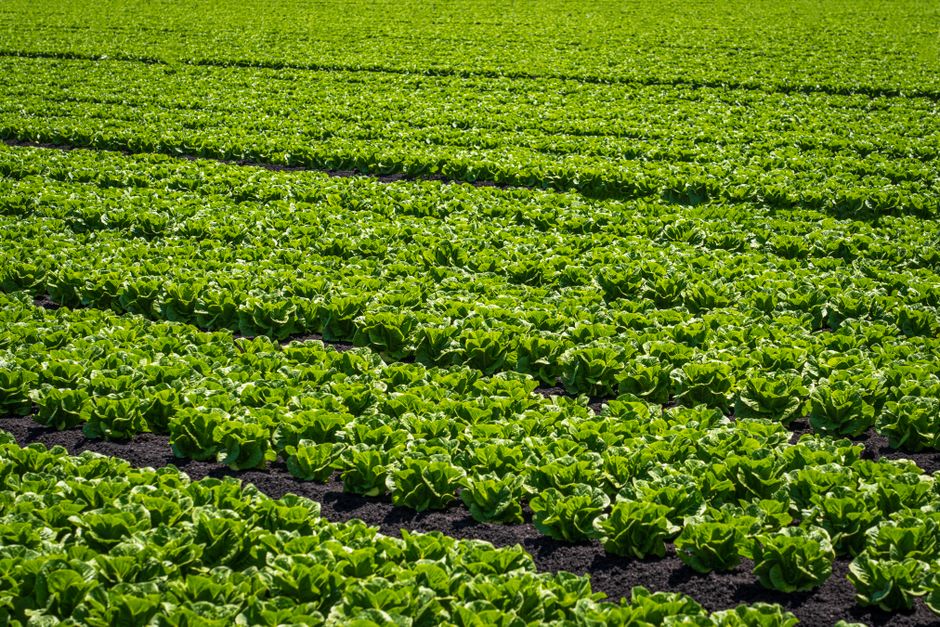
Organic farming has gained significant traction in recent years as consumers become more aware of the benefits of sustainable agriculture. This practice not only focuses on growing food without synthetic fertilizers and pesticides but also emphasizes the importance of maintaining a healthy ecosystem. However, to thrive in organic farming, one must have access to the right supplies and tools. In this article, we will explore the essential organic farming supplies necessary for success.
Understanding Organic Farming Supplies
Organic farming supplies encompass a wide range of products, from seeds and fertilizers to tools and pest management solutions. These supplies are specifically designed to promote sustainable practices and enhance soil health. For instance, organic seeds are often heirloom varieties that have been cultivated for their resilience and flavor, making them an excellent choice for organic farmers.
In addition to seeds, organic fertilizers play a crucial role in providing nutrients to plants. Unlike conventional fertilizers, organic options, such as compost and manure, improve soil structure and promote biodiversity. This is essential for healthy plant growth and can lead to higher yields over time.
Moreover, pest management in organic farming requires careful consideration. Farmers need to use natural methods to deter pests, such as companion planting and organic insecticides. These practices not only protect crops but also contribute to a balanced ecosystem.
The Importance of Quality Soil
At the heart of successful organic farming is quality soil. Healthy soil supports plant growth by providing essential nutrients and water. To achieve this, farmers must invest in organic soil amendments, such as compost, worm castings, and green manures. These amendments enhance soil fertility and structure, leading to improved crop performance.
Furthermore, soil testing is a critical step in organic farming. Regular testing helps farmers understand the nutrient composition of their soil and determine the appropriate amendments needed. This proactive approach prevents nutrient deficiencies and ensures that crops receive the necessary support to thrive.
Incorporating cover crops into the farming system is another effective way to maintain soil health. These crops, when planted during the off-season, prevent erosion, suppress weeds, and add organic matter to the soil when tilled under. This practice not only benefits the current crop cycle but also enhances the soil’s long-term health.
Tools and Equipment for Efficient Farming
Having the right tools and equipment is vital for efficient organic farming. Basic tools such as hoes, shovels, and hand trowels are essential for planting, weeding, and harvesting. However, investing in more specialized equipment can significantly improve productivity.
For instance, a high-quality tiller can help prepare the soil more effectively, while a drip irrigation system can optimize water usage and reduce waste. These tools not only save time but also contribute to sustainable farming practices by minimizing environmental impact.
Moreover, protective gear, such as gloves and masks, is important for safety when handling organic fertilizers and pest management solutions. Farmers should prioritize their health by using appropriate protective equipment to prevent exposure to any harmful substances.
Finding Reliable Organic Farming Supplies
When sourcing organic farming supplies, it is crucial to choose reputable suppliers who adhere to organic standards. Online platforms and local cooperatives often provide a wide range of organic products, allowing farmers to compare prices and quality easily. It is also beneficial to read customer reviews and seek recommendations from fellow farmers.
One such resource for organic farmers is organic farming supplies, which offers a variety of products tailored for sustainable agriculture. By selecting quality supplies, farmers can ensure they are supporting their crops and the environment effectively.
Additionally, farmers should stay informed about the latest trends and innovations in organic farming. Workshops, seminars, and online courses can provide valuable insights into new techniques and products that can enhance farming practices.
Conclusion
In conclusion, the success of organic farming heavily relies on the availability and quality of supplies. From organic seeds and fertilizers to specialized tools and equipment, each component plays a vital role in promoting sustainable agriculture. By investing in high-quality supplies and staying informed about best practices, farmers can cultivate a thriving organic farm that benefits both their business and the environment.
About the Author