The agricultural industry is undergoing a significant transformation, driven by technological advancements and the pressing need for sustainable food production. Among the most promising innovations is vertical farming, a method that allows for the cultivation of crops in stacked layers, often utilizing controlled-environment agriculture. This article delves into the intricacies of vertical farming technology, its benefits, challenges, and the future it holds for food security.
Understanding Vertical Farming
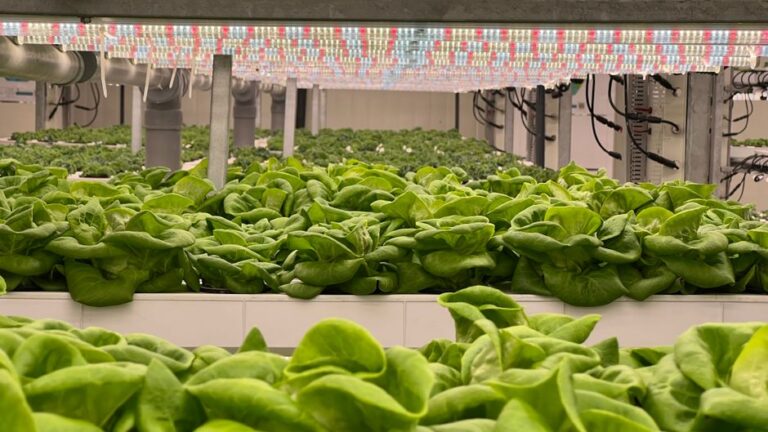
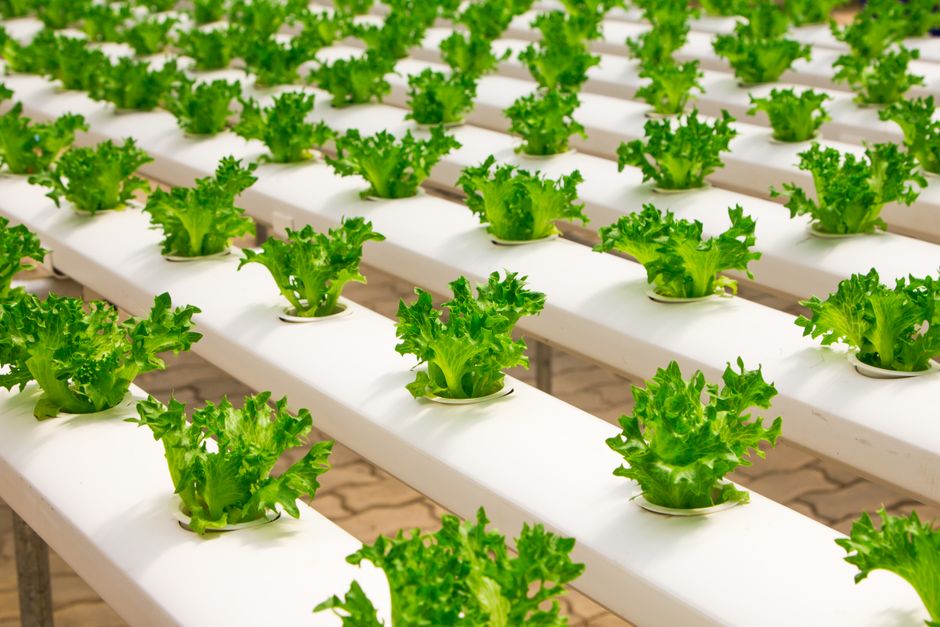
Vertical farming is not just a trend; it represents a paradigm shift in how we think about agriculture. By utilizing urban spaces and indoor environments, vertical farms can produce fresh produce year-round, regardless of the climate. These farms employ advanced technologies such as hydroponics, aeroponics, and artificial lighting to maximize crop yield while minimizing the use of land and water.
In a traditional farming setup, crops are grown in open fields, which can lead to significant waste of resources. In contrast, vertical farming systems are designed to optimize resource usage. For example, hydroponic systems deliver nutrients directly to plant roots in a water-based solution, reducing the need for soil and decreasing water consumption by up to 90% compared to conventional farming methods.
Furthermore, vertical farms can be established in urban areas, bringing food production closer to consumers. This decreases transportation costs and carbon emissions associated with transporting food over long distances. As urban populations continue to grow, the need for local food sources becomes increasingly critical.
Benefits of Vertical Farming
The advantages of vertical farming are manifold. Firstly, it offers a solution to the diminishing availability of arable land. According to the United Nations, the world population is expected to reach 9.7 billion by 2050, which will require a 70% increase in food production. Vertical farming can help meet this demand by utilizing less land.
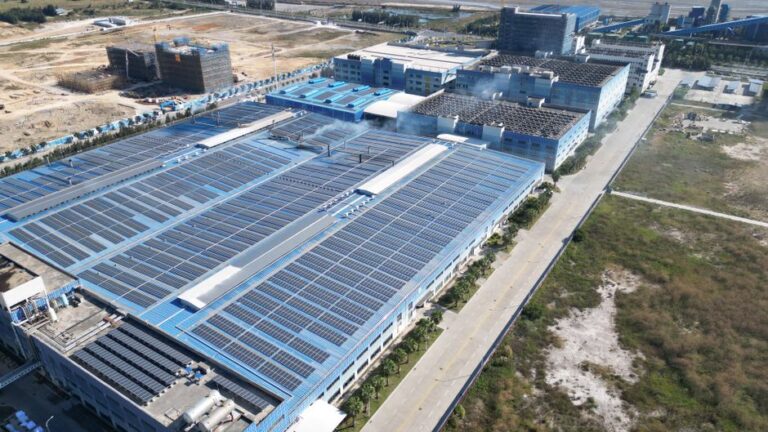
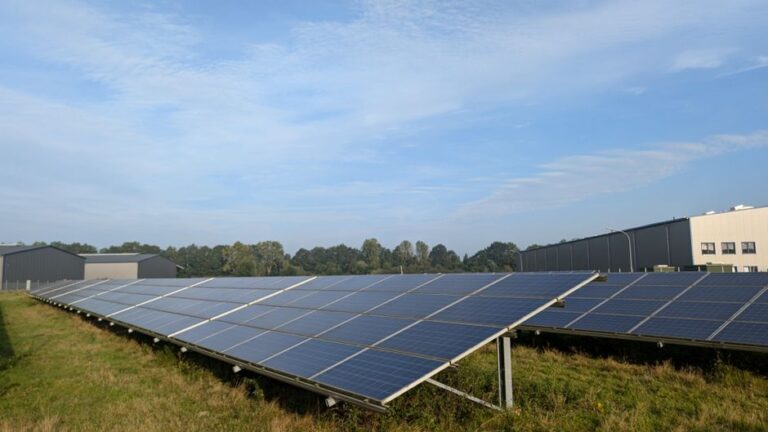
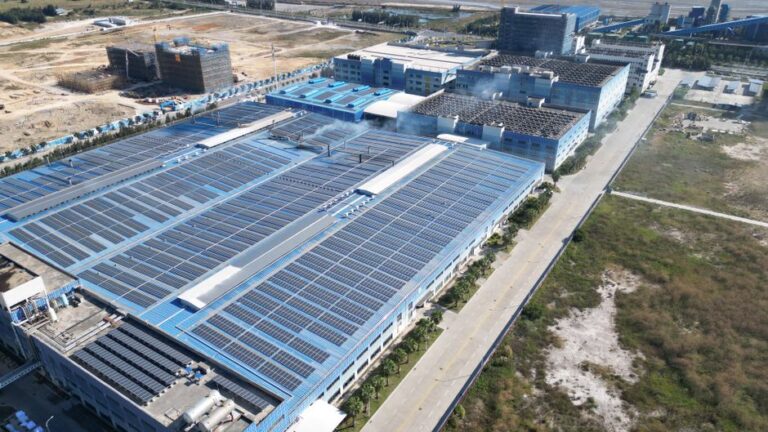
Additionally, vertical farming technologies contribute to sustainability. They often incorporate renewable energy sources, such as solar panels, and utilize smart sensors to monitor plant health and optimize growth conditions. This results in a more eco-friendly approach to agriculture, which is essential in combating climate change and reducing environmental impact.
Moreover, vertical farms can produce higher yields than traditional farms. For instance, certain vertical farms report yields of up to 100 times greater per square foot compared to conventional farming. This efficiency is crucial as it allows for more food to be produced in less space, addressing food scarcity in urban areas.
Challenges Facing Vertical Farming
Despite its numerous benefits, vertical farming is not without challenges. One of the primary hurdles is the high initial investment required to set up these advanced farming systems. The costs associated with technology, infrastructure, and maintenance can be significant, deterring potential investors.
Additionally, the reliance on technology poses risks. Any failure in the system, such as a power outage or malfunctioning equipment, can lead to crop loss. Farmers must implement robust contingency plans and maintenance protocols to mitigate these risks and ensure consistent production.
Furthermore, while vertical farming can produce a variety of crops, there are still limitations in terms of the types of plants that thrive in these environments. Leafy greens and herbs are the most commonly grown crops, but growing larger fruits and vegetables can be more complicated and less cost-effective.
The Future of Vertical Farming
Looking ahead, the future of vertical farming technology appears promising. As innovation continues, we can expect to see advancements that will further enhance productivity, reduce costs, and expand the types of crops that can be grown. Research into artificial intelligence and machine learning is already being integrated into vertical farming operations to improve efficiency and yield.
Moreover, as consumer demand for locally sourced and sustainably produced food rises, vertical farms are likely to play a more significant role in the global food supply chain. They may also contribute to the development of urban agriculture policies and initiatives aimed at promoting food security.
In conclusion, vertical farming technology offers a viable solution to many of the challenges facing modern agriculture. As we strive for a sustainable future, investing in and adopting these innovative farming practices will be crucial. By harnessing the potential of vertical farming, we can work towards a more secure and sustainable food system for generations to come. For further insights into this transformative approach, exploring vertical farming technology can provide valuable information.
Conclusion
Vertical farming is at the forefront of the agricultural revolution, promising to reshape how we produce and consume food. By leveraging technology and sustainable practices, it addresses issues of land scarcity, environmental impact, and food security. While challenges remain, the potential benefits of vertical farming are immense. As we continue to innovate and adapt, this technology could be a key player in feeding the world’s growing population while preserving our planet for future generations.
About the Author