
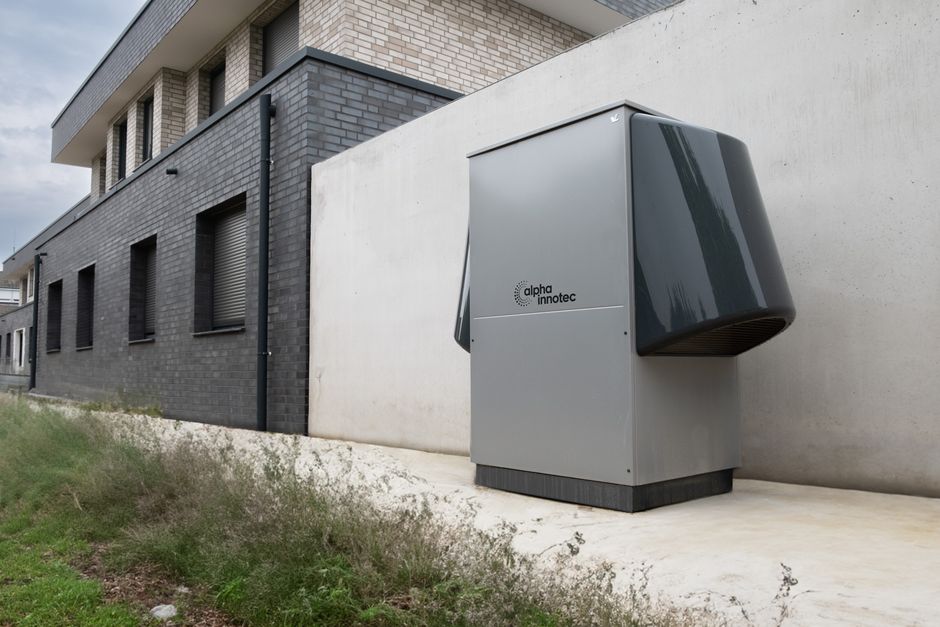
In recent years, the growing demand for renewable energy has brought energy storage systems (ESS) into the spotlight. These systems play a vital role in balancing supply and demand, ensuring energy availability even when production is not at its peak. As we transition towards a more sustainable future, understanding the significance of energy storage solutions is crucial for both businesses and consumers.
Understanding Energy Storage Systems
Energy storage systems are technologies that store energy for later use. They can be classified into various types, including mechanical, thermal, and electrochemical systems. Mechanical systems, such as pumped hydro storage, utilize gravitational potential energy, while thermal storage systems can store heat for later use. Electrochemical systems, commonly known as batteries, are the most prevalent form of energy storage today.
One of the primary advantages of energy storage systems is their ability to mitigate the intermittent nature of renewable energy sources like solar and wind. For instance, during sunny days, excess solar energy can be stored and used during the night or on cloudy days. This capability not only enhances the reliability of renewable energy but also reduces dependence on fossil fuels.
The Economic Impact of Energy Storage
The economic implications of adopting energy storage systems are profound. According to a report by the International Renewable Energy Agency (IRENA), the global energy storage market is expected to grow significantly, reaching a value of over $500 billion by 2030. This growth is driven by technological advancements, decreasing costs, and supportive government policies.
Businesses are increasingly recognizing the potential savings associated with energy storage. By storing energy during off-peak hours when prices are lower, companies can avoid high demand charges during peak hours. This practice not only reduces operational costs but also contributes to grid stability.
Case Studies of Successful Implementation
Several companies and municipalities have already embraced energy storage systems with remarkable success. For example, in 2020, Tesla completed a large-scale battery installation in South Australia, which has since provided significant savings and reliability to the region’s energy grid.
Another notable case is the Hornsdale Power Reserve, which is one of the largest lithium-ion battery installations in the world. This facility has demonstrated the ability to respond to grid demands rapidly, thereby preventing blackouts and stabilizing the energy supply. Such examples illustrate the transformative potential of energy storage systems in real-world applications.
Challenges and Future Prospects
Despite their benefits, energy storage systems face several challenges that must be addressed to realize their full potential. High initial costs, regulatory barriers, and technological limitations can hinder widespread adoption. However, as research continues and investment in this sector grows, these challenges are likely to diminish.
The future of energy storage systems looks promising. Innovations in battery technology, such as solid-state batteries and flow batteries, are expected to improve efficiency and lifespan while reducing costs. Furthermore, as global efforts to combat climate change intensify, the demand for sustainable energy solutions will drive further investment in energy storage technologies.
Conclusion
Energy storage systems are poised to play a critical role in the transition to a sustainable energy future. By enabling the efficient use of renewable resources and providing economic benefits, they are an essential part of modern energy infrastructure. As we continue to innovate and invest in these technologies, the possibilities for energy storage will only expand, paving the way for a cleaner, more resilient energy landscape. For those interested in exploring energy storage options, understanding the intricacies of an energy storage system can be the first step towards making informed decisions.
About the Author