
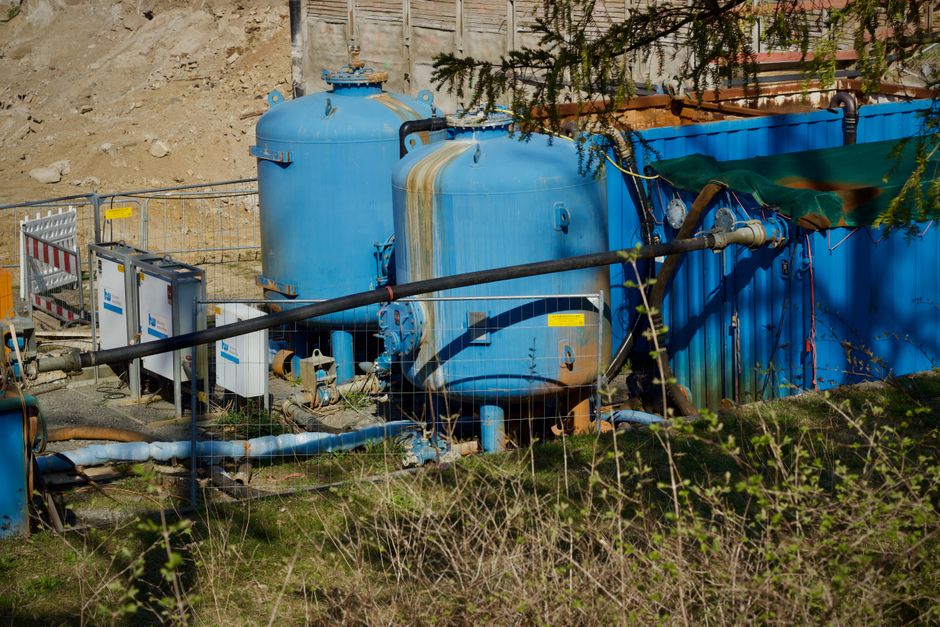
In an era where renewable energy is becoming increasingly essential, the role of energy storage systems (ESS) is gaining prominence. As we transition away from fossil fuels, the ability to store energy efficiently is critical for maintaining a stable and reliable power supply. This article delves into the various types of energy storage systems, their applications, and their significance in the modern energy landscape.
Understanding Energy Storage Systems
Energy storage systems are technologies that capture energy for use at a later time. They can store energy in various forms such as electrical, chemical, or thermal energy. The most common types of energy storage systems include batteries, pumped hydro storage, compressed air energy storage, and thermal energy storage. Each of these systems has unique characteristics and applications, making them suitable for different energy demands.
For instance, battery storage systems, particularly lithium-ion batteries, have gained immense popularity due to their efficiency and declining costs. According to a report by BloombergNEF, the cost of lithium-ion batteries has fallen by 89% since 2010, making them a viable option for both residential and commercial energy storage solutions.
Benefits of Energy Storage Systems
One of the primary benefits of energy storage systems is their ability to enhance grid reliability. By storing excess energy generated during peak production times, such as sunny days for solar panels or windy days for wind turbines, these systems can provide power during periods of high demand or low generation. This capability is crucial for integrating renewable energy sources into the grid.
Moreover, energy storage systems can contribute to lower electricity costs for consumers. By utilizing stored energy during peak pricing periods, users can save on their energy bills. Additionally, they can help avoid the need for expensive grid upgrades, as they can alleviate stress on the existing infrastructure.
Applications of Energy Storage Systems
Energy storage systems are being deployed in various applications, from residential setups to large-scale utility projects. In residential settings, home battery systems, like the Tesla Powerwall, allow homeowners to store solar energy generated during the day for use at night. This not only maximizes the use of renewable energy but also provides backup power during outages.
On a larger scale, utilities are increasingly investing in grid-scale energy storage projects. For example, California’s Moss Landing Energy Storage Facility is one of the largest battery storage projects in the world, with a capacity of 400 megawatts. Such installations help stabilize the grid, particularly during peak demand hours, and support the integration of renewable energy sources.
Challenges Facing Energy Storage Systems
Despite their numerous advantages, energy storage systems face several challenges. One of the primary hurdles is the initial capital cost. While prices have been decreasing, the upfront investment for large-scale storage systems can still be significant. Additionally, the environmental impact of battery production and disposal remains a concern, necessitating advancements in recycling technologies.
Furthermore, regulatory and market structures need to evolve to fully capitalize on the benefits of energy storage. In many regions, outdated regulations do not adequately compensate energy storage systems for the services they provide, such as frequency regulation or peak shaving. Addressing these challenges is crucial for the future growth of energy storage technologies.
The Future of Energy Storage Systems
The future of energy storage systems looks promising, driven by technological advancements and increasing demand for renewable energy. Innovations such as solid-state batteries and flow batteries are being developed to enhance performance and safety while reducing environmental impacts. Additionally, the integration of artificial intelligence and machine learning in energy management systems is expected to optimize the operation of energy storage systems.
As governments worldwide commit to reducing carbon emissions and transitioning to cleaner energy sources, the role of energy storage will only continue to grow. For instance, the International Energy Agency (IEA) projects that global energy storage capacity could increase by more than 10 times by 2040, underscoring the critical role these systems will play in the energy transition.
In conclusion, energy storage systems are poised to revolutionize the way we produce, store, and consume energy. By enhancing grid reliability, reducing costs, and supporting the integration of renewable energy sources, they are an essential component of a sustainable energy future. As the technology continues to evolve and mature, the potential for energy storage systems to contribute to a cleaner, more efficient energy landscape is immense. For more detailed information on energy storage systems, visit the following link: energy storage system.
About the Author