
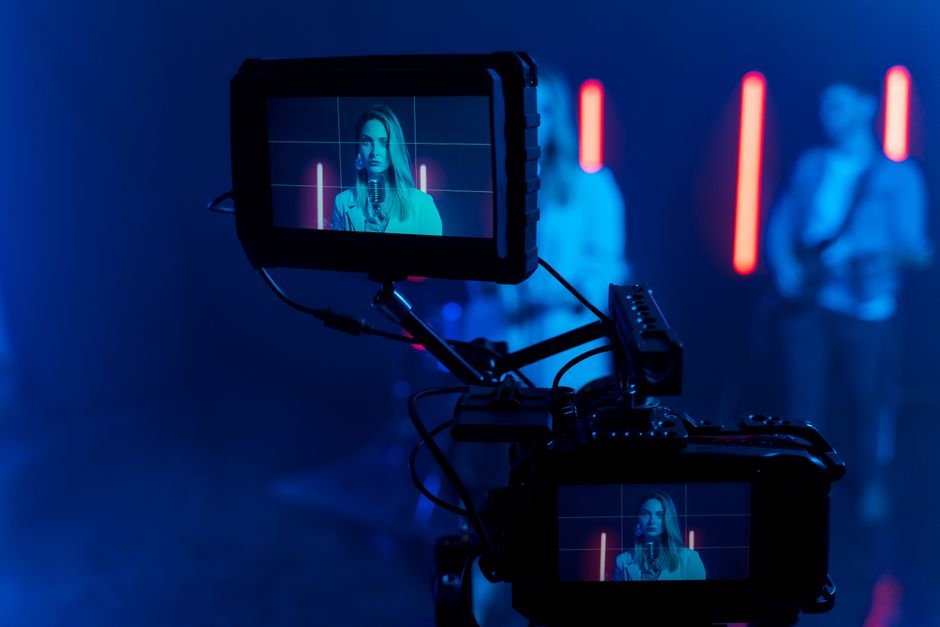
In the digital age, music videos have become a vital part of an artist’s identity and marketing strategy. They are not just mere visual extensions of songs; they are artistic expressions that can elevate a track’s reach and impact. Understanding the intricacies of music video production is essential for anyone looking to create engaging content that resonates with audiences.
The Evolution of Music Videos
Music videos have come a long way since the advent of the MTV era in the early 1980s. Initially, they were simple visual interpretations of songs, often featuring the artist performing against a backdrop. However, as technology advanced and audiences grew more sophisticated, music videos started to incorporate elaborate storytelling, special effects, and high production values.
According to a report by the International Federation of the Phonographic Industry (IFPI), more than 80% of music consumers watch music videos regularly. This statistic underlines the importance of high-quality music video production as a tool for artists to connect with fans and promote their work effectively.
As platforms like YouTube became mainstream, the music video format evolved further, allowing for more creative freedom and innovative storytelling techniques. Artists now have the opportunity to create visually stunning videos that enhance the narrative of their music, making it crucial for producers to stay updated with the latest trends and technologies in the industry.
The Pre-Production Phase
The success of a music video largely depends on the pre-production phase, which involves meticulous planning and coordination. This stage includes concept development, budgeting, casting, location scouting, and storyboarding. Each element plays a vital role in the overall outcome of the project.
For instance, the concept should align with the song’s theme and the artist’s brand image. Collaborating with a skilled director and creative team can help bring the vision to life. Furthermore, having a clear budget is essential to avoid overspending and ensure that all necessary resources are allocated effectively.
Location scouting is another critical aspect that can significantly impact the video’s quality. Whether it’s a studio, a picturesque outdoor setting, or an urban landscape, the chosen location should complement the song’s mood and message.
Production Techniques and Tools
When it comes to the actual filming of a music video, various techniques and tools come into play. Cinematography, lighting, and camera angles are all crucial factors that contribute to the video’s visual appeal. Using high-definition cameras and innovative lighting setups can elevate the production quality, making the final product more engaging.
Additionally, the use of special effects and editing techniques can enhance the storytelling aspect of the video. Techniques like slow motion, time-lapse, and CGI can create visually striking moments that capture the audience’s attention. Furthermore, incorporating elements like choreography or live performances can add an extra layer of excitement, making the video more dynamic.
With the rise of drone technology, aerial shots have become increasingly popular in music videos. These shots provide unique perspectives that can transform an ordinary scene into something extraordinary, showcasing the creativity and innovation of modern music video production.
Post-Production and Distribution
The post-production phase is where the magic truly happens. This stage involves editing the footage, adding special effects, adjusting color grading, and mixing sound. A skilled editor can take raw footage and turn it into a polished final product that aligns with the artist’s vision.
Once the video is complete, effective distribution is key to ensuring that it reaches the intended audience. This can involve releasing the video on platforms like YouTube, Instagram, and TikTok, as well as utilizing promotional strategies such as teasers and behind-the-scenes content. Engaging with fans through social media can also enhance visibility and encourage sharing.
According to a recent study by the Digital Marketing Institute, videos are shared 1,200% more than text and images combined. This statistic highlights the significance of a well-planned distribution strategy in maximizing a music video’s reach and impact.
The Future of Music Video Production
The future of music video production looks promising, with advancements in technology constantly reshaping the landscape. Virtual reality (VR) and augmented reality (AR) are emerging trends that offer exciting possibilities for immersive experiences in music videos. Artists can create interactive videos that allow viewers to engage with the content in new ways.
Moreover, the rise of platforms like TikTok has changed how artists approach music videos. Short-form videos are becoming increasingly popular, prompting creators to adapt their storytelling techniques to suit this format. As artists and producers continue to experiment with new styles and technologies, the music video landscape will undoubtedly evolve, offering fresh and innovative content for audiences.
Conclusion
In conclusion, music video production is a multifaceted process that requires creativity, technical skills, and strategic planning. From pre-production to post-production and distribution, every stage plays a crucial role in delivering a captivating final product. As the industry continues to evolve, staying informed about the latest trends and technologies will be essential for artists and producers alike. By embracing innovation and honing their craft, they can create music videos that resonate with audiences and stand the test of time.
About the Author