
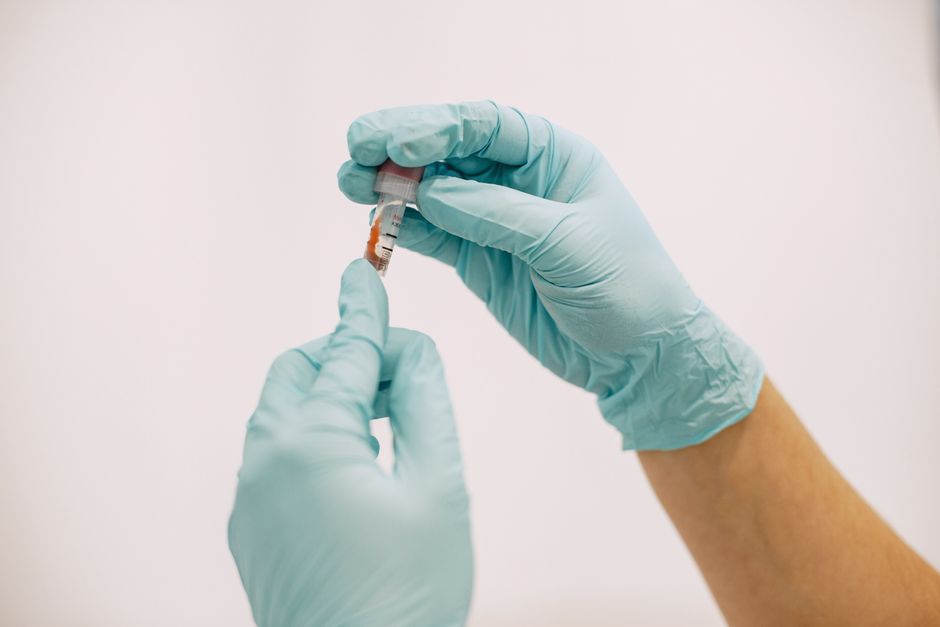
In today’s fast-paced world, the importance of maintaining a drug-free environment cannot be overstated. Drug testing services play a crucial role in various sectors, including workplaces, sports, and rehabilitation programs. These services ensure compliance with regulations, promote safety, and help in the early detection of substance abuse. As awareness of the impact of drug use grows, so does the need for reliable drug testing solutions.
What Are Drug Testing Services?
Drug testing services are professional services that conduct tests to detect the presence of illegal substances or prescription medications in an individual’s system. These tests can be performed in various settings, including hospitals, clinics, and workplaces. The most common types of drug tests include urine, saliva, hair, and blood tests. Each method has its own advantages and limitations, making it essential for organizations to choose the right testing method based on their specific needs.
The implementation of drug testing services has become increasingly prevalent in many industries. For instance, the transportation sector often mandates testing to ensure the safety of passengers. Similarly, many corporations have adopted pre-employment and random drug testing policies to maintain a productive workforce.
Types of Drug Testing Methods
There are several methods of drug testing, each with its unique characteristics. Urine tests are the most commonly used method due to their cost-effectiveness and ease of administration. These tests can detect a wide range of substances, including marijuana, cocaine, and opiates.
Saliva tests are gaining popularity because they are non-invasive and can provide immediate results. They are particularly useful for detecting recent drug use, making them ideal for roadside testing by law enforcement agencies.
Hair tests offer a longer detection window, as they can identify drug use over several months. This method is often used in cases where chronic drug use is suspected, providing a comprehensive history of an individual’s drug use.
Lastly, blood tests are the most accurate but also the most invasive and expensive. They are typically reserved for medical or legal situations where precise measurements of substance levels are required.
The Role of Drug Testing in the Workplace
Workplace drug testing services are essential for maintaining a safe and productive environment. Companies implement these tests to deter drug use among employees, reduce workplace accidents, and minimize liability. According to a report by the Substance Abuse and Mental Health Services Administration, workplaces that conduct drug testing programs see a significant decrease in employee absenteeism and an increase in overall productivity.
Employers can choose between pre-employment testing, random testing, post-accident testing, and reasonable suspicion testing. Each type serves a distinct purpose, and together they create a comprehensive approach to workplace safety.
Moreover, organizations can enhance their drug testing programs by providing employee education on the dangers of substance abuse. This proactive approach can foster a culture of safety and responsibility among employees, further reinforcing the importance of drug-free workplaces.
Legal and Ethical Considerations
The implementation of drug testing services raises several legal and ethical considerations. Organizations must comply with federal and state regulations regarding drug testing, including the Americans with Disabilities Act and the Drug-Free Workplace Act. These regulations mandate that testing must be conducted fairly and consistently to avoid discrimination against employees.
Furthermore, organizations must consider the ethical implications of drug testing. Transparency is key; employees should be informed about the testing process, including what substances will be tested for and the consequences of a positive test result. Maintaining confidentiality and respecting employees’ rights are essential for fostering trust and cooperation.
Employers should also provide support for employees struggling with substance abuse. Implementing employee assistance programs (EAPs) or rehabilitation initiatives can help individuals seek help and recover, ultimately benefiting both the employee and the organization.
The Future of Drug Testing Services
The landscape of drug testing services is continually evolving. Advances in technology are leading to more accurate and quicker testing methods, such as oral fluid testing devices that can provide results on-site. Moreover, the rise of synthetic drugs poses new challenges for testing services, requiring ongoing updates to testing panels and methodologies.
Additionally, as the legalization of marijuana continues to spread across various states, employers will need to navigate the complexities of testing for cannabis use. This evolving legal landscape may require organizations to rethink their drug testing policies and adapt to new regulations.
In conclusion, drug testing services are an integral part of promoting safety and compliance across various sectors. By understanding the types of drug testing, their role in the workplace, and the legal and ethical considerations involved, organizations can implement effective drug testing programs. As the industry continues to evolve, staying informed about advancements and changes will be vital in maintaining a drug-free environment.
For reliable and professional drug testing service, organizations can turn to established providers that offer comprehensive solutions tailored to their needs.
About the Author