In today’s competitive restaurant industry, creating a unique dining experience is crucial for attracting and retaining customers. The interior design of a restaurant plays a significant role in achieving this goal. It not only sets the tone and ambiance but also influences customer behavior and satisfaction. This article explores the essential elements of restaurant interior design, the latest trends, and practical tips for creating an inviting space.
The Importance of Restaurant Interior Design
Restaurant interior design is more than just aesthetics; it is about creating an environment that enhances the dining experience. A well-designed space can evoke emotions, stimulate appetite, and encourage social interaction. According to a study by the Restaurant Association, 60% of diners return to a restaurant because of its atmosphere. This statistic underscores the importance of investing in quality interior design.
Furthermore, the interior design can also reflect the restaurant’s brand identity. For instance, a fine dining restaurant may opt for elegant decor and subdued lighting, while a casual eatery might choose bright colors and quirky furnishings. This branding through design helps customers connect with the restaurant on a deeper level.
Key Elements of Effective Restaurant Interior Design
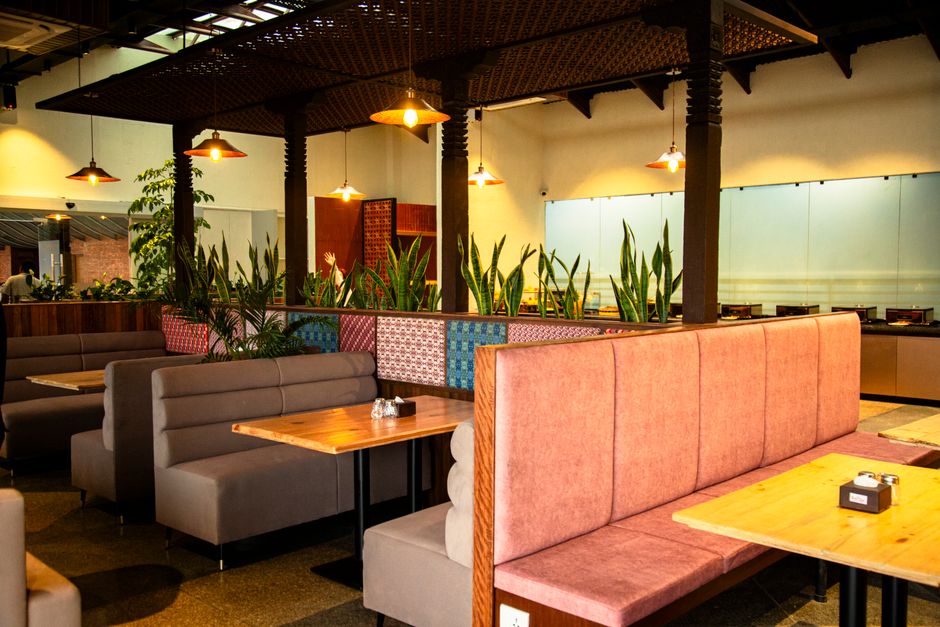
When designing a restaurant, several key elements must be considered to ensure functionality and appeal. First, the layout is paramount. A well-planned layout facilitates smooth traffic flow, making it easier for both staff and customers to navigate the space.
Next, lighting plays a crucial role in setting the mood. Different lighting options can create various atmospheres; for example, dim lighting can create intimacy, while bright lights might be more suitable for a lively, casual setting. Additionally, incorporating natural light can enhance the overall dining experience and make the space feel more inviting.
Another important aspect is the choice of materials and furnishings. Selecting durable and easy-to-maintain materials is essential, as restaurants experience high foot traffic. Moreover, the furnishings should be comfortable to encourage guests to linger longer, ultimately increasing their spend.
Current Trends in Restaurant Interior Design
As consumer preferences evolve, so do the trends in restaurant interior design. One notable trend is the emphasis on sustainability. Many restaurants are opting for eco-friendly materials and energy-efficient lighting to reduce their environmental footprint. This trend not only appeals to environmentally conscious diners but also enhances the restaurant’s image.
Another trend is the incorporation of technology into the design. From digital menus to contactless payment systems, technology can streamline operations and enhance the customer experience. Furthermore, interactive elements such as open kitchens or chef’s tables can create a more engaging atmosphere.
Lastly, the use of local art and decor is gaining popularity. Restaurants are increasingly showcasing local artists’ work, which not only supports the community but also adds a unique touch to the dining space. This practice can create a sense of place and make the restaurant feel more connected to its surroundings.
Practical Tips for Designing Your Restaurant
Designing a restaurant can be a daunting task, but following some practical tips can simplify the process. First, define your target audience and tailor the design to meet their preferences. Understanding your customers’ needs will guide your choices in layout, color schemes, and furnishings.
Next, consider hiring a professional interior designer who specializes in restaurant design. Their expertise can prove invaluable in creating a cohesive and functional space. A professional can help you avoid common pitfalls and ensure that your design aligns with your brand identity.
Finally, don’t forget to gather feedback from staff and customers. Their insights can provide valuable information on what works and what doesn’t in your space, allowing you to make adjustments that enhance the overall experience.
Conclusion
In conclusion, restaurant interior design is a vital component of a successful dining establishment. By understanding the importance of design, key elements to consider, current trends, and practical tips, restaurant owners can create inviting spaces that not only draw in customers but also encourage them to return. Investing in the right interior design can greatly enhance the dining experience, setting your restaurant apart in a crowded market. For those looking to delve deeper into the intricacies of restaurant interior design, exploring professional resources can provide further insights and inspiration.
About the Author