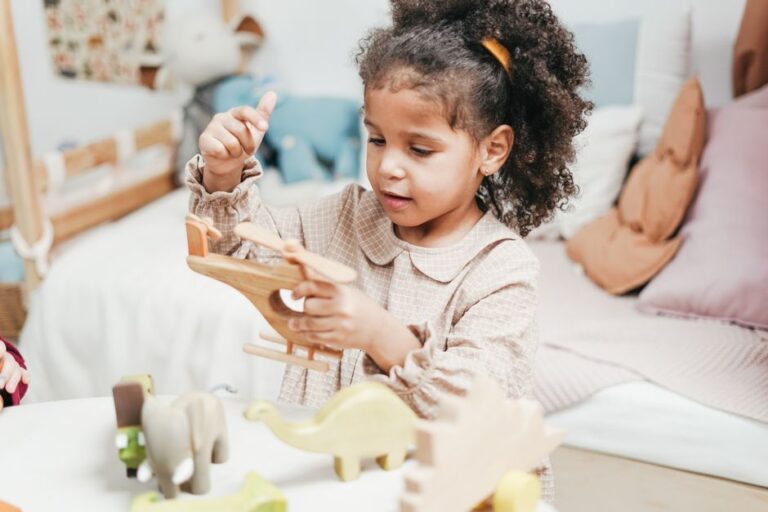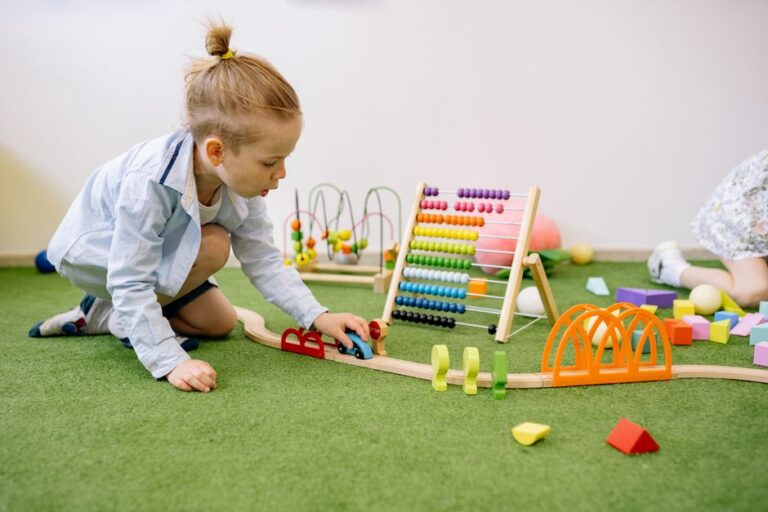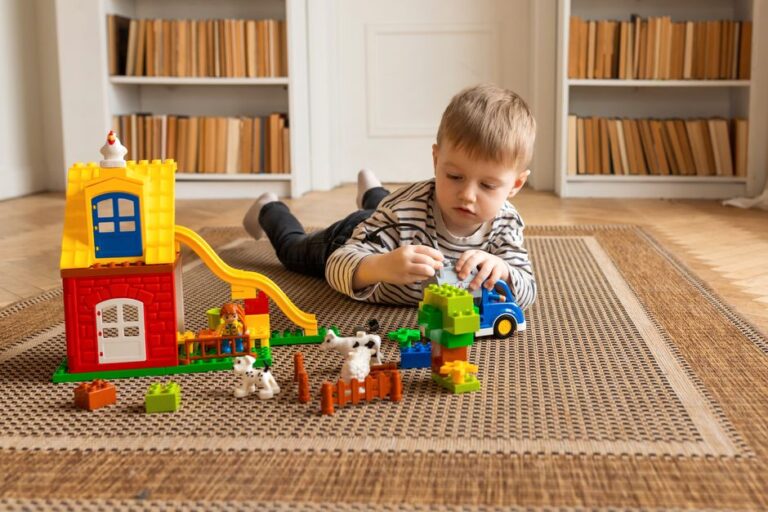
In recent years, the children’s toy industry has undergone significant transformations, driven by technological advancements, changing consumer preferences, and an increased focus on safety and sustainability. As a result, manufacturers are innovating rapidly to keep up with the demands of parents and children alike. This article delves into the various aspects of children’s toy manufacturing, exploring trends, challenges, and what the future holds for this ever-evolving market.
The Impact of Technology on Toy Manufacturing
Technology has revolutionized the way toys are designed, produced, and marketed. From 3D printing to augmented reality, manufacturers are leveraging cutting-edge tools to enhance play experiences. For instance, 3D printing allows for rapid prototyping, enabling designers to create and test new toy concepts quickly and efficiently. This not only shortens the product development cycle but also reduces costs.
Moreover, augmented reality (AR) has emerged as a popular feature in many modern toys, offering interactive experiences that were previously unimaginable. Toys that incorporate AR can engage children in unique ways, blending physical play with digital content. This shift towards tech-savvy toys reflects a broader trend of integrating digital experiences into children’s everyday lives.
Consumer Trends Shaping the Industry
Today’s consumers are more informed and discerning than ever before. Parents are increasingly looking for toys that are not only entertaining but also educational and safe. According to a 2022 market research report, over 70% of parents prioritize educational value when purchasing toys. This growing demand for educational toys has led manufacturers to develop products that promote STEM (Science, Technology, Engineering, and Mathematics) learning.
Additionally, sustainability is a significant concern among consumers. As awareness about environmental issues rises, parents are seeking eco-friendly toys made from sustainable materials. Manufacturers are responding by incorporating recycled materials into their products and adopting greener production practices. This shift not only meets consumer demands but also positions companies as responsible players in the market.
Challenges in Toy Manufacturing
Despite the opportunities presented by technological advancements and changing consumer preferences, the toy manufacturing industry faces several challenges. One major issue is the increasing regulatory scrutiny regarding safety standards. In recent years, there have been numerous recalls of toys due to safety concerns, prompting manufacturers to invest heavily in compliance measures. This can strain resources, particularly for smaller companies.
Another challenge is the constant pressure to innovate. With the rapid pace of technological change, companies must continually adapt to stay competitive. This often means investing in research and development, which can be a significant financial burden. Brands that fail to keep up with trends risk losing market share to more agile competitors.
The Future of Children’s Toy Manufacturing
Looking ahead, the future of children’s toy manufacturing appears bright, driven by ongoing technological advancements and shifting consumer preferences. Manufacturers are expected to increasingly incorporate artificial intelligence (AI) into their products, creating personalized play experiences that adapt to individual children’s needs and preferences.
Furthermore, the trend towards sustainability is likely to continue, with more companies committing to eco-friendly practices and materials. This is not just a fleeting trend; it represents a fundamental shift in how consumers view their purchases and the impact they have on the environment. Brands that embrace this change will likely find themselves ahead in a competitive landscape.
As the industry evolves, partnerships between toy manufacturers and educational institutions may also become more common. Collaborating with educators can lead to the development of toys that promote learning in fun and engaging ways, ensuring that they meet the needs of both parents and children.
Conclusion
The children’s toy manufacturing industry is at a pivotal moment, shaped by technological innovation, evolving consumer expectations, and a growing focus on safety and sustainability. Manufacturers that can adapt to these changes will thrive, while those that resist will struggle to keep pace. As the market continues to evolve, one constant remains: the joy and creativity that toys bring to children around the world.
For those interested in exploring the world of children’s toys, partnering with a reliable children toy manufacturer can be a great step towards ensuring that quality and innovation go hand in hand.
About the Author