In the world of interior design, few elements can transform a mundane space into an extraordinary one like mural painting. Mural paintings offer a unique way to express creativity and personality, making them a popular choice for both residential and commercial properties. This article explores the benefits of mural painting services, the different styles available, and how to choose the right artist for your project.
The Benefits of Mural Painting
Mural painting is not just about adding color to a wall; it’s about creating a visual narrative that enhances the atmosphere of a space. One of the most significant benefits of mural painting is its ability to personalize any environment. Whether it’s a child’s bedroom adorned with whimsical characters or a corporate office featuring inspiring landscapes, murals can reflect the identity and values of the occupants.
Moreover, murals can significantly increase the aesthetic appeal of a property. According to a survey conducted by the National Association of Realtors, homes with unique features, such as custom murals, tend to sell faster and at higher prices than those without. Therefore, investing in a mural painting service can not only beautify your space but also add value to your property.
Additionally, murals can serve various functional purposes. For example, they can be used to create focal points in large rooms, making them feel more intimate. Furthermore, well-placed murals can help guide visitors through a space, enhancing their overall experience. This is especially important in commercial settings where customer engagement is key.
Exploring Different Styles of Murals
When it comes to mural painting, the possibilities are almost endless. Artists can work in a variety of styles, each offering a distinct look and feel. From realistic depictions to abstract designs, the choice of style depends largely on personal preference and the intended atmosphere of the space.
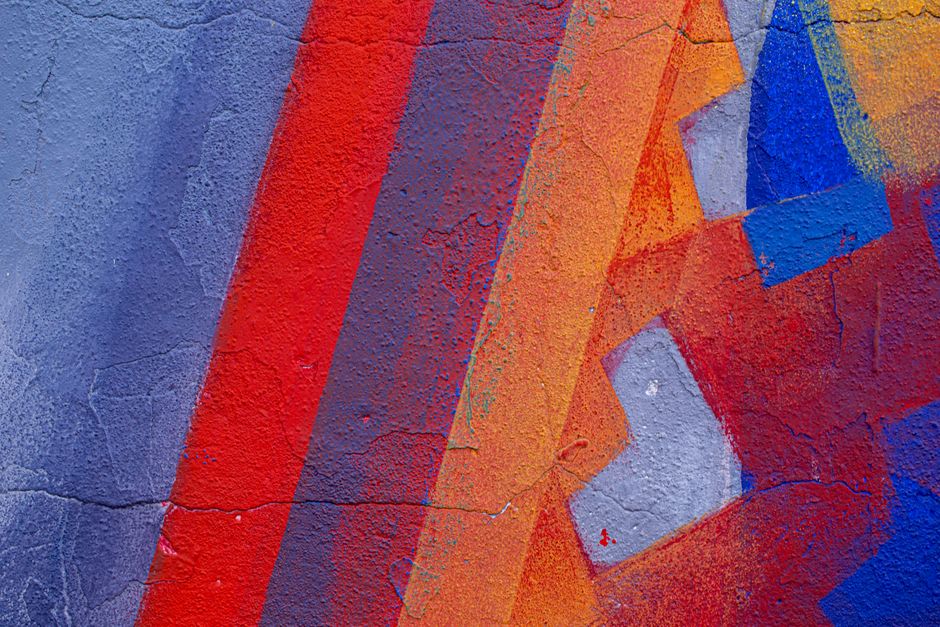
Realistic murals can create stunning visual effects, making it seem as though a window has been opened to a different world. This style is often used in residential settings to create beautiful landscapes or cityscapes. On the other hand, abstract murals can add a modern touch, offering bold colors and dynamic shapes that can energize a room.
Another popular style is the use of trompe-l’œil, which creates an optical illusion that tricks the eye into perceiving depth and dimension. This technique is often employed in smaller spaces to make them appear larger and more open. Each style has its own unique charm, and the choice should align with the overall theme of the space.
Choosing the Right Mural Artist
Selecting the right artist for your mural painting project is crucial for achieving the desired outcome. Start by researching local mural artists and reviewing their portfolios. Look for styles that resonate with your vision and ensure the artist has experience in the specific type of mural you wish to create.
It’s also important to communicate your ideas clearly. Share your vision, color preferences, and any specific elements you want to incorporate. A professional artist will be open to collaboration and will provide valuable insights into what works best for your space.
Additionally, consider the artist’s reputation and customer reviews. Testimonials from previous clients can provide a clear picture of the artist’s reliability, professionalism, and the quality of their work. Don’t hesitate to ask for references or to see completed projects in person if possible.
The Process of Mural Painting
The mural painting process typically involves several stages, starting with a consultation where the artist discusses your ideas and takes measurements of the space. Following this, the artist will create a sketch or digital mock-up of the proposed mural for your approval. This step is crucial as it allows you to visualize the final product before any paint is applied.
Once the design is finalized, the artist will prepare the wall surface, ensuring it is clean and primed for painting. The actual painting process can take several days or even weeks, depending on the complexity and size of the mural. Throughout this time, it’s essential to maintain open communication with the artist to address any questions or adjustments that may arise.
Finally, after the mural is complete, the artist will typically apply a sealant to protect the artwork and ensure its longevity. This is especially important in high-traffic areas or spaces exposed to the elements.
Conclusion: Elevate Your Space with Mural Painting
Mural painting services offer a unique opportunity to transform your environment, infusing it with character and creativity. By understanding the benefits, styles, and processes involved, you can make informed decisions that align with your vision. Whether for personal enjoyment or enhancing commercial spaces, murals can undoubtedly elevate the aesthetic and emotional impact of any location. For those looking to explore professional options, consider a mural painting service to bring your ideas to life.
About the Author