
In today’s fast-paced world, the efficiency of space utilization has become paramount. Whether in residential or commercial settings, the way we design and organize our spaces can significantly impact productivity, comfort, and aesthetics. This is where space planning consultants come into play, offering their expertise to ensure that every square foot is utilized effectively. This article will delve into the importance of space planning consultants, their methodologies, and the benefits they bring to various projects.
Understanding Space Planning
Space planning is the process of organizing and arranging spaces in a way that enhances functionality and meets the needs of its users. It involves the assessment of how a space will be used and how it can be optimized for various activities. This process is not just about placing furniture or dividing rooms; it encompasses a strategic approach to design that considers factors such as flow, accessibility, and the overall environment.
Effective space planning begins with a thorough understanding of the client’s requirements and the intended use of the space. A qualified space planning consultant will conduct a needs assessment, collecting information about the client’s objectives, preferences, and any constraints that may affect the design. This foundational step is crucial for developing a tailored plan that aligns with the client’s vision.
The Benefits of Hiring a Space Planning Consultant
1. **Maximized Efficiency**: One of the primary benefits of hiring a space planning consultant is the maximization of space efficiency. These professionals have the skills and knowledge to analyze how a space is currently being used and identify opportunities for improvement. By optimizing layouts, they can help reduce wasted space and create environments that facilitate productivity.
2. **Enhanced Aesthetics**: Alongside functionality, aesthetics play a vital role in space design. Consultants can provide valuable insights on design trends, color schemes, and materials that complement the intended use of the space. This not only improves the visual appeal but also creates an inviting atmosphere for occupants and visitors alike.
3. **Cost-Effective Solutions**: Engaging a space planning consultant can lead to significant cost savings in the long run. By effectively planning the layout and usage of space, businesses can avoid unnecessary renovations or modifications down the line. Furthermore, consultants can help source materials and furniture that fit the budget without compromising quality.
Key Steps in the Space Planning Process
1. **Assessment and Analysis**: The first step in the space planning process is to conduct a comprehensive assessment of the existing space. This includes evaluating the dimensions, layout, and current usage patterns. The consultant will also gather input from stakeholders to understand their needs and preferences.
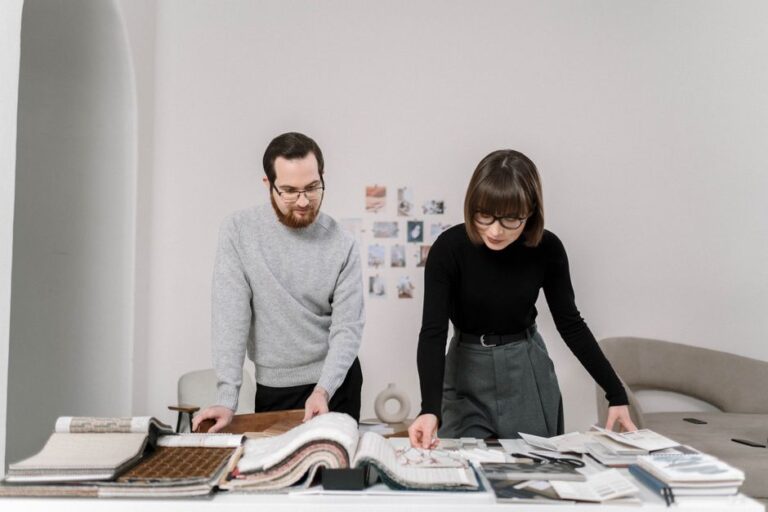
2. **Concept Development**: After the assessment, the consultant will develop conceptual designs that reflect the client’s goals. This may involve creating floor plans, 3D renderings, and mood boards that illustrate the proposed layout and design elements.
3. **Implementation**: Once the concept is approved, the consultant will assist in the implementation phase. This includes coordinating with contractors, overseeing the installation of fixtures and furniture, and ensuring that the project stays on schedule and within budget.
Case Studies: Successful Space Planning Projects
To illustrate the impact of space planning consultants, let’s explore a few successful projects:
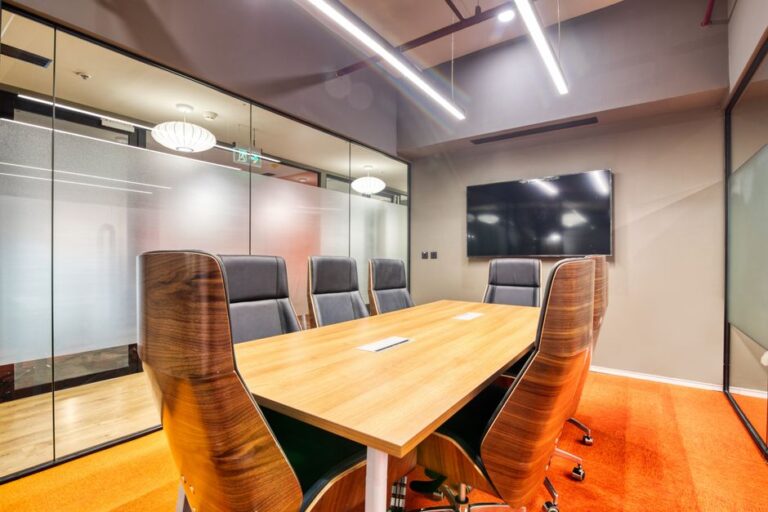
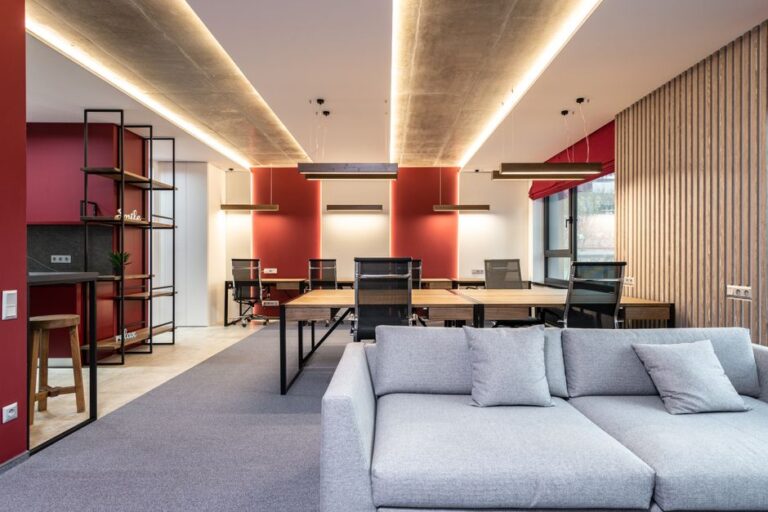
1. **Corporate Office Redesign**: A large tech company sought to redesign its office space to promote collaboration and innovation. By engaging a space planning consultant, they transformed a traditional cubicle layout into an open floor plan with collaborative workspaces, meeting pods, and recreational areas. Employee satisfaction and productivity increased by over 30% following the redesign.
2. **Retail Space Optimization**: A retail store was struggling with customer flow and sales conversions. The consultant analyzed foot traffic patterns and redesigned the layout to highlight key products and improve navigation. As a result, the store saw a 25% increase in sales within the first quarter after the redesign.
Conclusion
In conclusion, the role of space planning consultants is vital in creating functional, efficient, and aesthetically pleasing environments. Their expertise not only enhances the usability of spaces but also contributes to the overall success of projects across various sectors. As the demand for innovative design continues to grow, engaging a skilled space planning consultant can be a game-changer for individuals and businesses alike.
About the Author