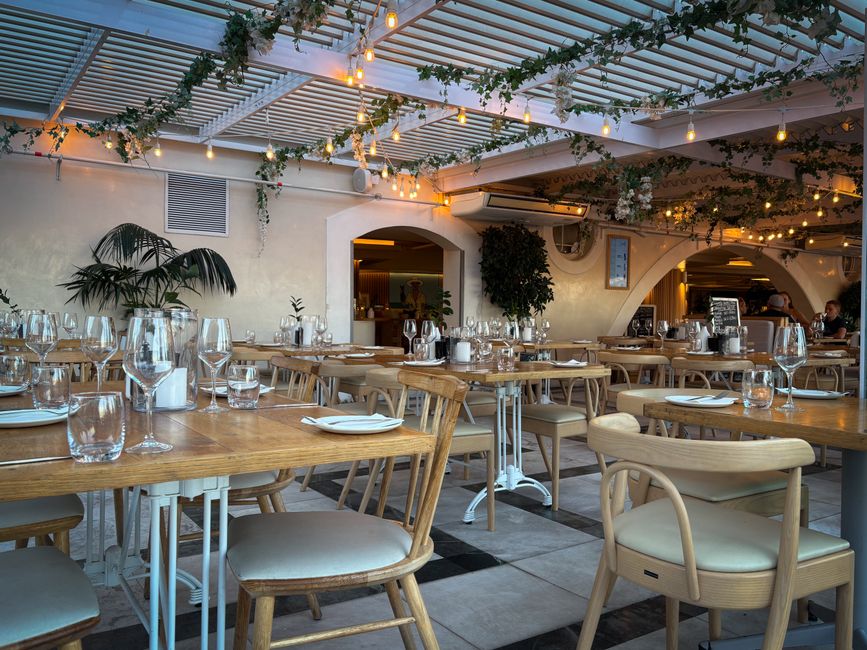
In today’s competitive culinary landscape, the importance of restaurant interior design cannot be overstated. A well-thought-out interior not only enhances the dining experience but also creates a memorable atmosphere that encourages repeat visits. From choosing the right color palette to selecting furniture and lighting, every detail plays a significant role in shaping the overall ambiance.
The Psychology of Colors in Restaurant Design
Colors have a profound impact on human emotions and behaviors, especially in a dining setting. Research indicates that certain colors can stimulate appetite and enhance the overall dining experience. For example, warm colors like red and orange are known to increase hunger, making them popular choices in many restaurant designs. On the other hand, cooler colors like blue can suppress appetite, which is why they are less common in food establishments.
Additionally, the choice of color can influence a customer’s perception of the restaurant’s brand. A vibrant and colorful interior may resonate with a casual dining experience, while a more subdued palette can convey elegance and sophistication. For instance, upscale restaurants often utilize muted tones combined with luxurious materials to create a sense of exclusivity.
Furniture Selection: Balancing Comfort and Aesthetics
The selection of furniture is another critical aspect of restaurant interior design. Comfortable seating not only enhances the dining experience but also encourages customers to linger longer, ultimately increasing the likelihood of additional orders. For example, plush booths can create a cozy atmosphere, while sleek, modern chairs may appeal to a younger demographic.
Moreover, the arrangement of furniture should facilitate smooth traffic flow and ensure that tables are adequately spaced for privacy. This consideration is vital in busy restaurants where patrons value their dining experience. The integration of different seating styles, such as communal tables and intimate booths, can cater to various customer preferences and group sizes.
Lighting: Setting the Mood
Lighting plays a critical role in defining the atmosphere of a restaurant. Proper lighting can enhance the color of the food, create a warm ambiance, and influence the duration of a customer’s stay. For instance, soft, dim lighting is often used in fine dining establishments to evoke a sense of intimacy, while bright, natural lighting can make a space feel more energetic and inviting.
Additionally, the use of accent lighting, such as pendant lights or wall sconces, can highlight architectural features or artwork, adding depth to the overall design. A well-lit space not only complements the restaurant’s aesthetic but also ensures that patrons can enjoy their meals without straining their eyes.
Creating a Unique Brand Identity
A restaurant’s interior design is an extension of its brand identity. The design elements should reflect the restaurant’s concept, cuisine, and target audience. For example, a rustic farm-to-table restaurant may incorporate reclaimed wood, vintage decor, and earthy tones to create a warm and inviting atmosphere.
On the other hand, a modern sushi bar may opt for sleek lines, minimalist decor, and a monochromatic color scheme to emphasize its contemporary approach to cuisine. By aligning the interior design with the brand’s identity, restaurants can create a cohesive experience that resonates with customers and sets them apart from competitors.
Incorporating Technology into Restaurant Design
In the digital age, integrating technology into restaurant interior design has become increasingly important. From interactive menus to digital ordering systems, technology can enhance the customer experience and streamline operations. For instance, some restaurants are now using tablets for ordering, allowing patrons to customize their meals with ease.
Moreover, creating a visually appealing digital presence through social media and online marketing can attract a tech-savvy audience. A restaurant that showcases its unique interior design through visually appealing posts can draw in customers looking for an aesthetically pleasing dining experience.
Conclusion
In conclusion, restaurant interior design is a multifaceted discipline that requires a careful balance of aesthetics, functionality, and brand identity. By understanding the psychological impact of colors, selecting the right furniture, utilizing effective lighting, and incorporating technology, restaurateurs can create an inviting atmosphere that enhances the overall dining experience. As the food industry continues to evolve, staying ahead in interior design trends will be crucial for attracting and retaining customers. For those looking to explore innovative approaches to restaurant interior design, the possibilities are as diverse as the cuisines being served.
About the Author