In the competitive world of dining, the interior design of a restaurant plays a crucial role in attracting and retaining customers. A well-designed space can enhance the dining experience, create a memorable atmosphere, and ultimately drive sales. This article explores the key elements of effective restaurant interior design, offering insights and practical tips for restaurateurs and designers alike.
Understanding the Importance of Space Planning
Space planning is the foundation of any successful restaurant interior design. It involves the strategic arrangement of furniture, fixtures, and pathways to optimize the flow of customers and staff. A well-thought-out layout not only enhances the dining experience but also improves operational efficiency.
For instance, consider the placement of tables and chairs. They should be spaced adequately to allow for comfortable movement while maintaining an intimate atmosphere. Research shows that restaurants with effective space planning see a 20% increase in customer satisfaction ratings. This improvement often translates to repeat business and positive word-of-mouth.
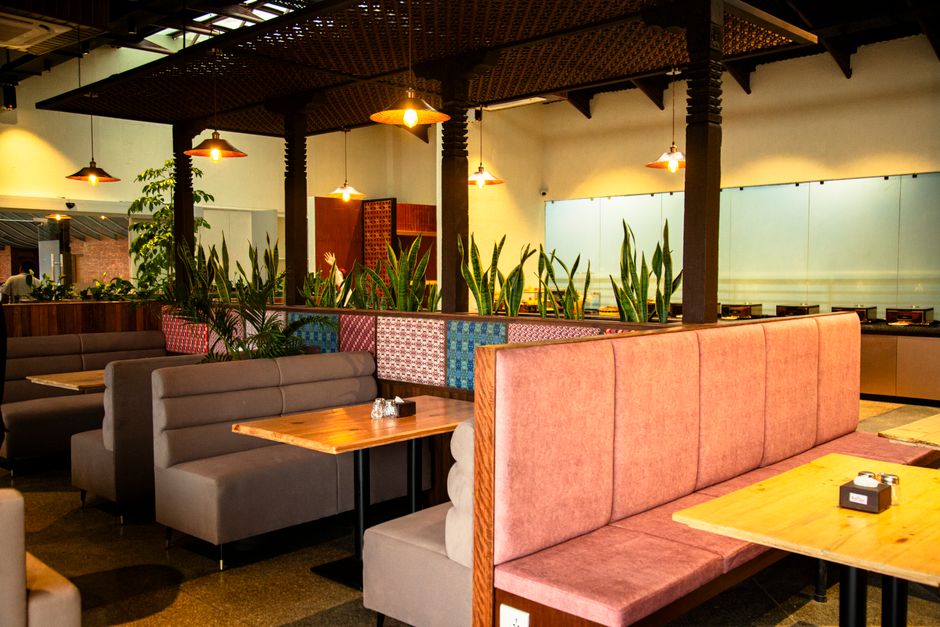
Moreover, the incorporation of designated areas for different experiences—such as a bar, dining area, and private booths—can cater to diverse customer preferences. This segmentation allows guests to choose their desired ambiance, contributing to an overall enjoyable visit.
Choosing the Right Color Palette
The color palette of a restaurant interior significantly affects the mood and perception of the space. Warm colors like reds and oranges can stimulate appetite and create an energetic vibe, while cool colors such as blues and greens promote calmness and relaxation.
For example, a study conducted by the University of California found that diners in restaurants with warm color schemes spent 15% more on average than those in cooler environments. Therefore, selecting a color scheme that aligns with your restaurant’s theme and target audience is essential.
Accent walls, decorative features, and even the color of the table settings can all contribute to the overall color impact. Incorporating artwork or plants that complement the color scheme can also enhance the aesthetic appeal and create a more inviting atmosphere.
Lighting: Setting the Mood
Lighting is another critical component of restaurant interior design that affects ambiance and functionality. The right lighting can make a space feel warm and welcoming or stark and uninviting.
There are generally three types of lighting to consider: ambient, task, and accent. Ambient lighting provides overall illumination, task lighting focuses on specific areas such as tables or counters, and accent lighting highlights architectural features or artwork.
For example, a fine dining restaurant may use dim, soft lighting to create an intimate atmosphere, while a fast-casual eatery might opt for brighter, more energizing lighting to encourage quick turnover. Strategically placed lighting fixtures can also enhance the perception of space, making a small restaurant feel larger and more open.
Incorporating Unique Design Elements
To stand out in a saturated market, many restaurants are turning to unique design elements that reflect their brand identity and story. This can include custom furniture, artwork, or even themed decor that ties into the restaurant’s concept.
For instance, a farm-to-table restaurant may incorporate natural materials like reclaimed wood and stone to emphasize its commitment to sustainability. Similarly, a restaurant inspired by a specific culture can showcase traditional artifacts or art that resonate with its cuisine.
Innovative design elements not only enhance the visual appeal but also create conversation starters for guests, contributing to a memorable experience. This is where the integration of restaurant interior design principles can help create a cohesive narrative throughout the space.
Balancing Functionality and Aesthetics
While aesthetic appeal is vital, functionality should never be compromised. The interior design of a restaurant must cater to both the customer experience and the operational needs of staff.
For example, kitchen accessibility is crucial. The design should facilitate smooth communication between the front-of-house and back-of-house teams. Additionally, the choice of durable materials can reduce maintenance costs and improve longevity.
Moreover, considering the acoustics of the space is essential for balancing noise levels. Restaurants that design their interiors with sound-absorbing materials can enhance the dining experience, ensuring that conversations can flow without interruption.
Conclusion
In conclusion, restaurant interior design is a multifaceted discipline that encompasses space planning, color selection, lighting, unique design elements, and a balance between functionality and aesthetics. By understanding these key aspects, restaurant owners and designers can create inviting, memorable spaces that not only attract customers but also enhance their overall dining experience. Investing in thoughtful design is not just about beautifying a space; it is about creating an atmosphere that encourages guests to return time and time again.
About the Author