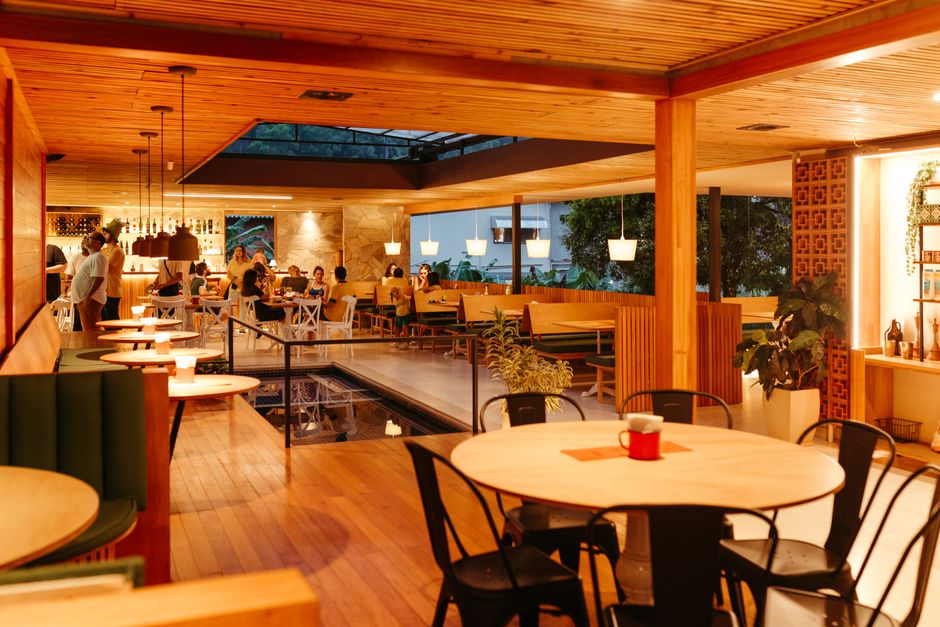
The ambiance of a restaurant plays a pivotal role in attracting and retaining customers. As the dining landscape evolves, the significance of restaurant interior design has never been more pronounced. A well-thought-out design not only enhances the aesthetic appeal but also influences the overall dining experience. In this article, we will explore various aspects of restaurant interior design, examining how it can impact customer satisfaction and business success.
Understanding the Principles of Restaurant Interior Design
At the core of effective restaurant interior design is an understanding of the principles that guide it. These principles include balance, harmony, rhythm, and proportion. When these elements are carefully considered, they create a cohesive atmosphere that resonates with patrons.
For instance, balance can be achieved through symmetrical arrangements of furniture or artwork, creating a pleasing visual experience. Harmony refers to the cohesive color schemes and materials that work together, while rhythm can be established through patterns and textures. Proportion, on the other hand, involves the scale of furniture and fixtures in relation to the space, ensuring that the design does not feel cramped or overly sparse.
Trends Shaping Modern Restaurant Interiors
In recent years, several trends have emerged in restaurant interior design that reflect changing consumer preferences and lifestyle choices. One significant trend is the move towards sustainability, where eco-friendly materials and designs are prioritized. Many restaurants now opt for reclaimed wood, energy-efficient lighting, and locally sourced furnishings to minimize their environmental impact.
Another trend is the incorporation of technology into the dining experience. From digital menus to interactive tables, technology is being integrated into the restaurant space to enhance service efficiency and customer engagement. Moreover, the use of social media-friendly designs, such as visually striking wall art or unique dining setups, encourages patrons to share their experiences online, further promoting the restaurant.
The Importance of Space Planning
Effective space planning is a crucial aspect of restaurant interior design. It involves the strategic arrangement of dining areas, kitchens, restrooms, and other essential spaces to optimize workflow and customer experience. A well-planned layout can significantly enhance operational efficiency while creating a welcoming environment for guests.
For example, placing the kitchen in proximity to the dining area can streamline service, reducing wait times and improving customer satisfaction. Additionally, thoughtful spacing between tables can provide diners with a sense of privacy while still fostering a lively atmosphere. The careful consideration of traffic flow is also critical; ensuring that patrons and staff can move freely throughout the space without congestion can enhance the overall dining experience.
Color Schemes and Lighting: Setting the Mood
The choice of color schemes and lighting can dramatically influence the mood of a restaurant. Colors can evoke various emotions and responses; for instance, warm colors like reds and oranges can stimulate appetite, while cooler tones can create a calming effect. The strategic use of color can help define different areas within the restaurant, such as cozy nooks for intimate dining or vibrant spaces for social gatherings.
Lighting is equally important in establishing the desired ambiance. A combination of natural and artificial lighting can create an inviting atmosphere. For instance, pendant lights over tables can provide focused illumination, while softer lighting in other areas can encourage relaxation. Additionally, adjustable lighting options allow for the transformation of the space depending on the time of day or special events.
Incorporating Unique Elements
To stand out in a competitive market, many restaurants are incorporating unique design elements that reflect their brand identity and story. This can include custom artwork, themed decor, or even architectural features that are distinctive to the establishment. Such elements not only enhance the visual appeal but also create a memorable experience for diners.
For example, a restaurant themed around a particular culture might include traditional artwork, textiles, and artifacts that tell a story and immerse guests in the experience. This connection to the theme can deepen the customer’s emotional engagement, encouraging repeat visits and positive word-of-mouth advertising. Additionally, unique elements can serve as conversation starters and enhance the overall dining experience.
Conclusion: The Impact of Thoughtful Design
In conclusion, the significance of restaurant interior design cannot be overstated. It is a multifaceted discipline that encompasses various elements such as space planning, color schemes, lighting, and unique design features. By investing in thoughtful design, restaurant owners can create an inviting atmosphere that not only attracts customers but also enhances their overall dining experience. Ultimately, a well-designed restaurant becomes more than just a place to eat; it transforms into a destination that leaves a lasting impression.
To explore more about the intricacies of restaurant interior design and its influence on customer satisfaction, consider consulting with design professionals who can help bring your vision to life.
About the Author