Aerial drone photography has revolutionized the way we capture the world from above. With the advent of advanced drone technology, photographers and videographers can now access breathtaking perspectives that were once reserved for the high-flying professionals. This article delves into the nuances of aerial drone photography, exploring its techniques, applications, and the future it holds in the creative industry.
The Evolution of Aerial Photography
Aerial photography dates back to the mid-19th century, with the first images captured from hot air balloons. However, the introduction of drones has made this art form more accessible and versatile. Drones allow for capturing high-resolution images and videos from various altitudes, enabling photographers to frame their shots more creatively. In fact, according to a report by the Federal Aviation Administration (FAA), the use of drones for commercial photography has increased by over 150% in the last five years.
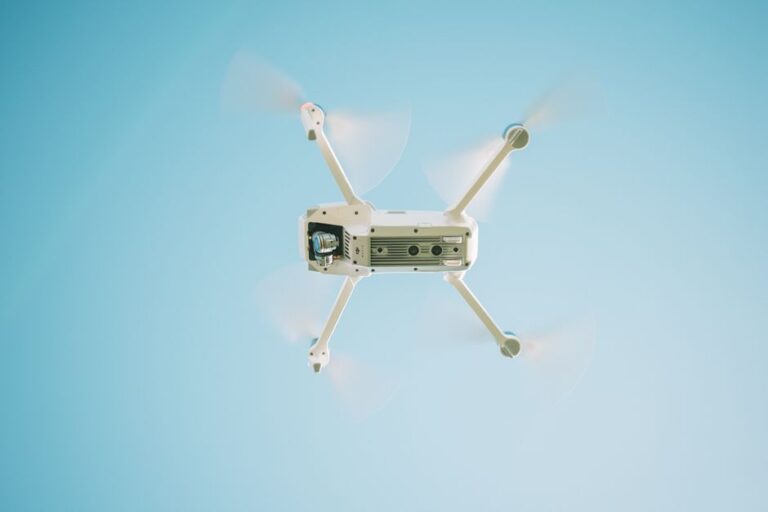
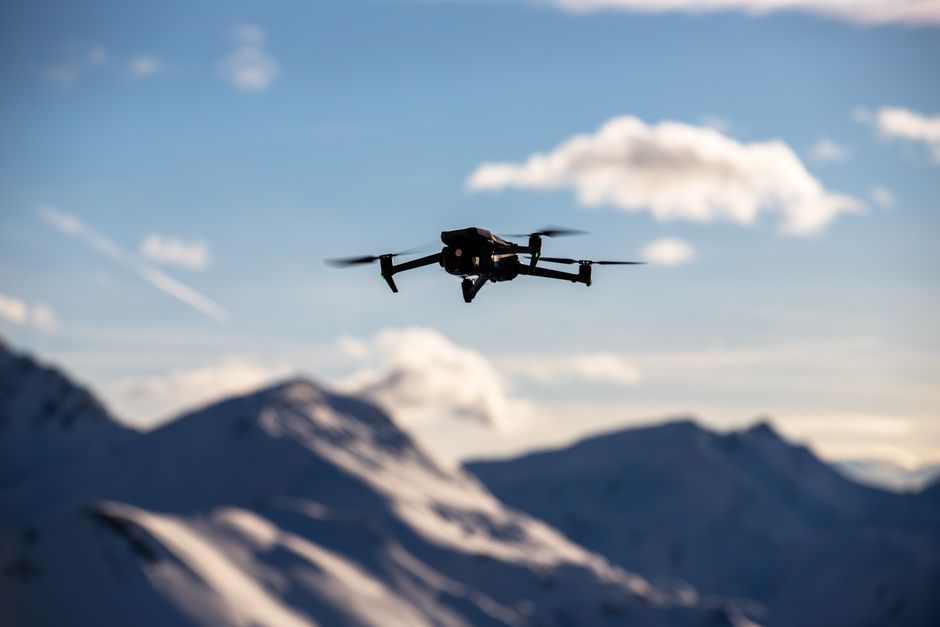
Today’s drones are equipped with sophisticated cameras that offer features such as 4K video resolution and advanced stabilization systems. These advancements have opened new avenues for photographers, allowing them to experiment with angles and perspectives that were previously unimaginable. The capability to fly at different heights and angles provides photographers a unique way to tell stories through their images.
Moreover, the legal landscape surrounding drone usage has also evolved. Regulations are now more defined, allowing photographers to operate legally while ensuring safety. Understanding these regulations is crucial for anyone looking to venture into aerial photography.
Techniques for Stunning Aerial Shots
Mastering aerial drone photography requires a combination of technical skills and creative vision. One of the key techniques is understanding the best times to shoot. Golden hour, which is shortly after sunrise or before sunset, provides the best lighting conditions for capturing stunning images. The soft, warm light enhances colors and shadows, giving a dramatic effect to the photographs.
Additionally, composition plays a vital role in creating impactful aerial shots. Using the rule of thirds can help photographers frame their subjects effectively, whether it’s a landscape or a cityscape. Experimenting with different perspectives can also yield unique results. For instance, capturing a bird’s-eye view of a winding river or an intricate urban layout can provide a fresh perspective.
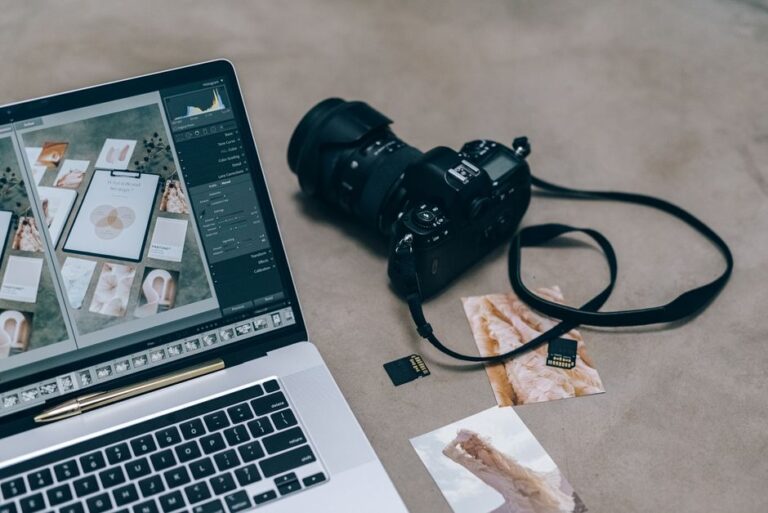
Another important aspect is post-processing. Editing software can enhance colors, adjust exposure, and sharpen images to make them stand out. Furthermore, using techniques such as HDR (High Dynamic Range) can help photographers capture a wider range of light and detail in their images.
Applications of Aerial Drone Photography
The applications of aerial drone photography are vast and varied. From real estate to environmental conservation, the versatility of drones makes them an invaluable tool. In real estate, for instance, aerial images provide potential buyers with a comprehensive view of properties and their surroundings, showcasing features that ground-level photography cannot capture.
In the field of agriculture, farmers utilize drone technology to monitor crop health and assess land conditions. Drones equipped with multispectral sensors can provide insights into crop growth, helping farmers make informed decisions about irrigation and fertilization.
Moreover, aerial photography is increasingly used in filmmaking and event coverage, allowing creators to capture dramatic footage that enhances storytelling. Drones have become a staple in capturing events like weddings, music festivals, and sporting events, providing unique angles and dynamic shots that engage audiences.
The Future of Aerial Drone Photography
As technology continues to advance, the future of aerial drone photography looks promising. Innovations such as AI-powered drones and improved battery life will likely enhance the capabilities of photographers, allowing for even more creativity and experimentation. For example, AI can assist drones in recognizing objects, helping to frame shots autonomously.
Furthermore, the integration of drones with virtual reality (VR) technology is on the horizon. This could enable viewers to experience immersive environments from an aerial perspective, revolutionizing how we engage with visual content.
The growing popularity of aerial drone photography also raises ethical considerations. As more individuals take to the skies, it becomes increasingly important to promote responsible usage and respect for privacy. Educating users on the ethical implications of drone photography will be crucial in maintaining a balance between creativity and respect for others.
Conclusion
Aerial drone photography is not just a trend; it’s a transformative art form that has reshaped how we perceive our world. With its ability to provide stunning visuals and unique perspectives, it has found applications in various industries, from real estate to agriculture. As we look to the future, advancements in technology will undoubtedly continue to push the boundaries of what is possible in aerial photography. For those passionate about capturing the beauty of our planet from above, now is the perfect time to explore the exciting world of aerial drone photography.
About the Author