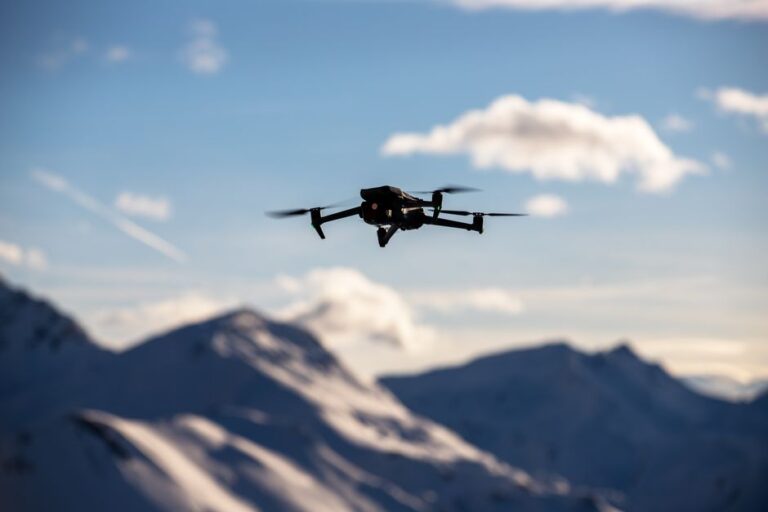
Aerial drone photography has revolutionized the way we capture and view the world around us. With the advancement of drone technology, photographers and videographers can now access stunning perspectives that were once difficult or impossible to achieve. This article explores the various aspects of aerial drone photography, including its benefits, applications, and tips for getting the best shots.
The Rise of Aerial Drone Photography
In the last decade, the popularity of aerial photography has skyrocketed, thanks in part to the availability of affordable drones equipped with high-quality cameras. According to a report by the Federal Aviation Administration (FAA), the number of registered drones in the United States surpassed 1.7 million in 2020, showcasing the growing interest among hobbyists and professionals alike.
As more people embrace aerial photography, industries such as real estate, tourism, and filmmaking have begun to incorporate drone imagery into their marketing strategies. The ability to capture breathtaking views of landscapes and properties from above has made aerial photography an invaluable tool for visual storytelling.
Moreover, the integration of advanced features such as GPS tracking, automated flight paths, and high-resolution cameras has made it easier than ever to take stunning aerial shots. As a result, aspiring photographers are encouraged to explore this exciting field, whether for personal enjoyment or professional development.
Applications of Aerial Drone Photography
Aerial drone photography is not limited to just artistic expression; it has practical applications across various sectors. For instance, real estate agents utilize aerial images to showcase properties, allowing potential buyers to appreciate the surroundings and layout from a unique perspective. Reports indicate that listings with aerial photography receive 68% more inquiries compared to those without.
In the realm of agriculture, farmers use drones to assess crop health and monitor field conditions, which can enhance productivity and yield. Drones equipped with multispectral cameras can capture data that helps farmers make informed decisions regarding irrigation and pest control.
Furthermore, in the filmmaking industry, drones have become essential for capturing dynamic shots that were once only possible using helicopters or cranes. The ability to fly low and maneuver through tight spaces allows filmmakers to achieve creative shots that enhance storytelling.
Essential Gear for Aerial Photography
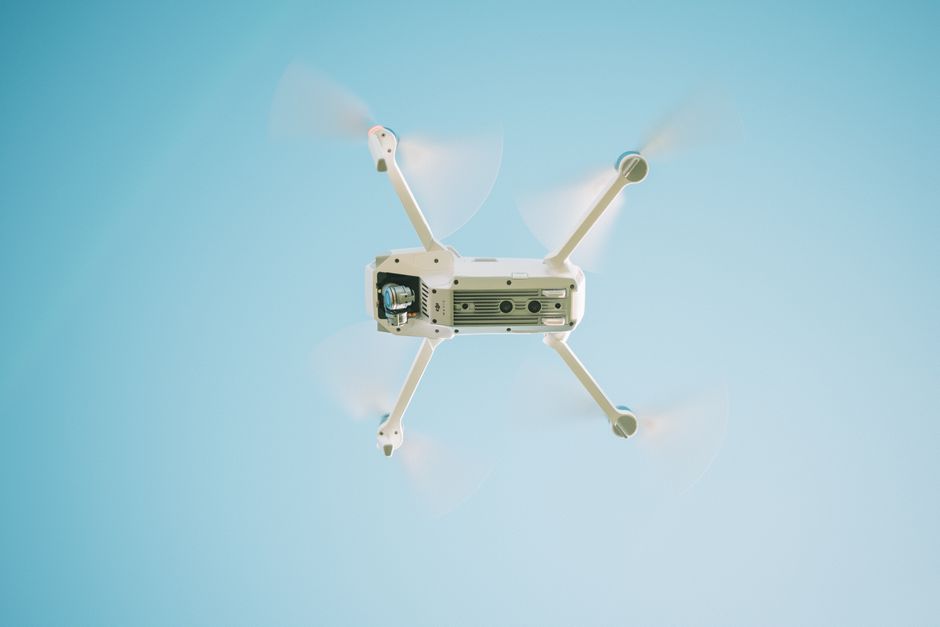
To embark on your aerial photography journey, having the right equipment is crucial. A high-quality drone is the first step; models such as the DJI Phantom 4 Pro and the Mavic Air 2 are popular choices among photographers for their advanced features and reliability.
In addition to the drone, investing in accessories such as extra batteries, propeller guards, and landing pads can enhance your shooting experience. Moreover, consider using filters to control lighting conditions and achieve better image quality. Polarizing filters, for example, can reduce glare and enhance colors, resulting in more vibrant photographs.
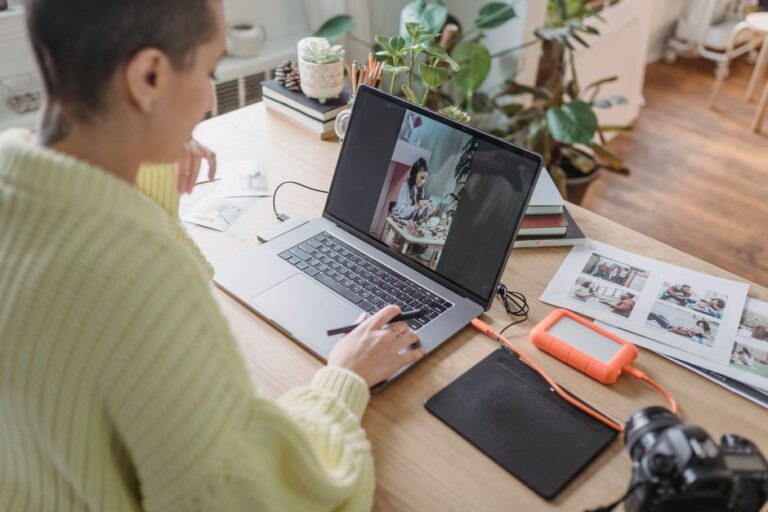
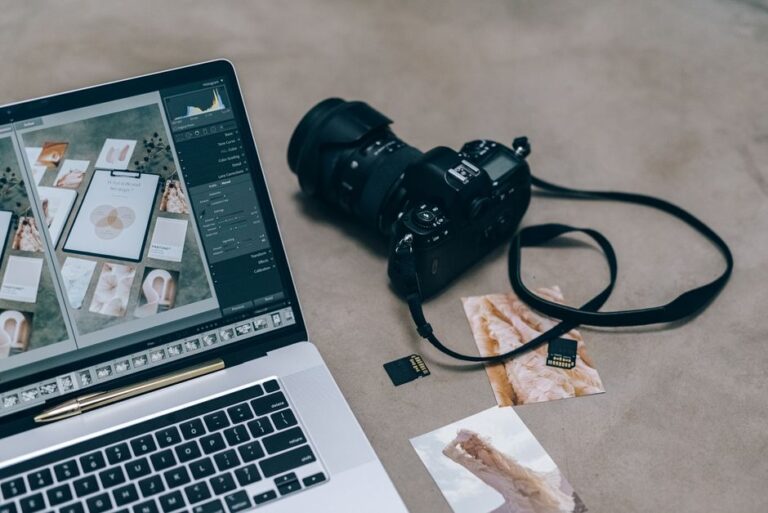
Lastly, a reliable editing software is essential for post-processing your aerial shots. Programs like Adobe Lightroom and Photoshop allow photographers to refine their images and bring out the best in their aerial photography.
Techniques for Stunning Aerial Shots
Capturing breathtaking aerial photographs requires more than just a good drone; it also demands skill and technique. Understanding the principles of composition, lighting, and drone operation is vital for achieving stunning results.
One effective technique is to utilize the rule of thirds, which involves dividing your frame into thirds both horizontally and vertically. By placing points of interest along these lines or at their intersections, you can create more dynamic and engaging images.
Lighting plays a significant role in photography, and aerial shots are no exception. The golden hour—shortly after sunrise and before sunset—provides soft, warm light that can enhance the beauty of your images. Additionally, experimenting with different altitudes and angles can lead to unique perspectives that set your work apart.
Legal Considerations and Safety Tips
Before you take to the skies, it’s essential to understand the legal regulations surrounding drone flights. In many countries, including the United States, drone operators are required to register their drones and adhere to guidelines set by aviation authorities, such as the FAA.
When flying, always ensure that you maintain a visual line of sight with your drone and avoid flying over people or private property without permission. Additionally, check local laws regarding no-fly zones, which may include areas around airports and national parks.
Safety should also be a priority. Conduct pre-flight checks to ensure your drone is functioning properly, and always keep an eye on battery levels to avoid unexpected landings. By prioritizing safety and legal compliance, you can enjoy aerial photography while protecting yourself and others.
Conclusion
Aerial drone photography opens up a world of possibilities for capturing stunning visuals and telling compelling stories. From its rapid rise in popularity to its diverse applications across various industries, the impact of drone technology is undeniable. By investing in the right gear, mastering essential techniques, and adhering to legal regulations, anyone can embark on a rewarding journey in aerial photography. Whether you’re capturing breathtaking landscapes or showcasing properties from above, the world of aerial photography awaits you, and it’s filled with endless opportunities for creativity and exploration. For more insights, check out resources on aerial drone photography to enhance your skills and find inspiration.
About the Author