The world of children’s furniture is not just about functionality; it’s also about creating an environment where children can feel safe, inspired, and comfortable. As parents look for the best solutions to furnish their kids’ rooms, the role of a specialized kids furniture store becomes ever more crucial. This article dives into the essential elements of a kids furniture store, from design considerations to the latest trends that cater to both children and parents.
Understanding the Needs of Children
When designing a space for children, it’s important to understand their unique needs. Children grow rapidly, and their furniture should be adaptable. For instance, a convertible crib that transforms into a toddler bed is a practical choice for parents. This not only saves money but also minimizes the need for frequent replacements. Parents are increasingly looking for items that can evolve as their children grow.
Moreover, safety is a paramount concern. Furniture should be designed without sharp edges, and materials used should be non-toxic. This is where a dedicated kids furniture store can offer expertise, providing products that meet safety standards while still being stylish.
Trends in Kids Furniture Design
The design of children’s furniture has evolved significantly over the past few years. Gone are the days of basic, utilitarian pieces. Today’s kids furniture combines aesthetics with functionality. Popular trends include modular furniture systems that can be rearranged as needed, allowing for flexibility in a child’s room.
Color is another vital aspect. Bright, vibrant colors can stimulate creativity and playfulness, while softer hues can create a calming atmosphere for rest. The choice of color can significantly impact a child’s mood and behavior, which is why parents are keen to explore various options available in a specialized store.
Eco-Friendly Options
With an increasing focus on sustainability, many parents are looking for eco-friendly furniture options. Kids furniture stores now offer collections made from reclaimed wood, bamboo, or other sustainable materials. These options not only reduce environmental impact but also provide a unique aesthetic that appeals to parents.
Additionally, brands are becoming more transparent about their manufacturing processes, allowing consumers to make informed choices. This aligns with the growing trend of conscious consumerism, where parents want their purchases to reflect their values.
Creating a Fun Shopping Experience
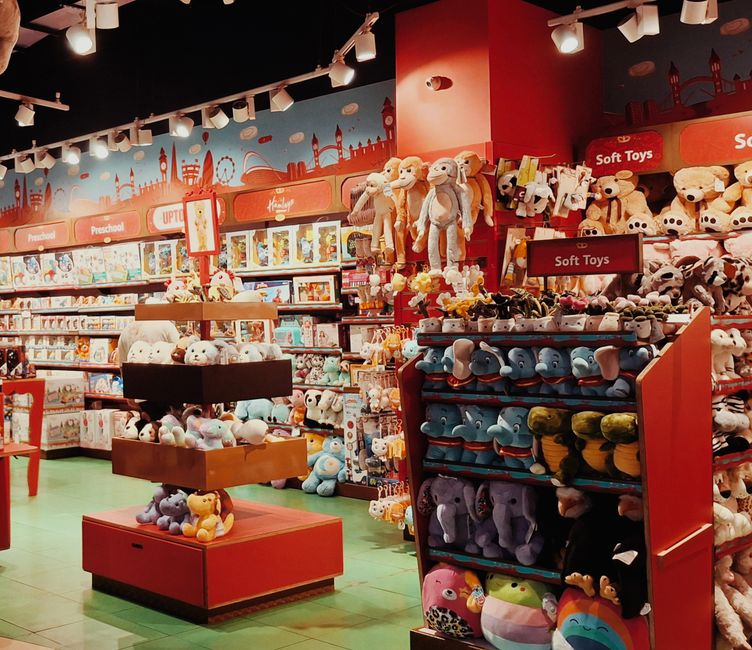
Shopping for kids’ furniture can be a fun and engaging experience for both parents and children. Stores are now designing spaces that appeal to young ones, with play areas and interactive displays. This approach not only makes the shopping experience enjoyable but also helps children feel involved in the decision-making process.
Incorporating technology in the shopping experience is another trend on the rise. Virtual reality (VR) setups allow parents to visualize how furniture will fit in their homes, while augmented reality (AR) apps can help children see how a piece of furniture looks in their room.
Advice for Parents
When shopping for kids’ furniture, parents should consider a few key factors. First, it’s essential to measure the space available to ensure that the chosen furniture fits well. Secondly, investing in high-quality pieces can save money in the long run, as they will withstand the wear and tear of active children.
Finally, parents should involve their children in the process. This not only empowers kids but also ensures that the furniture chosen reflects their personalities and preferences, creating a more inviting space for them.
Conclusion
The landscape of kids furniture stores is continually evolving, with a strong emphasis on safety, design, sustainability, and engagement. As parents seek to create nurturing environments for their children, understanding these trends and considerations will help them make informed decisions. A well-curated kids furniture store can be a valuable resource in this journey, offering products that cater to both children’s needs and parents’ preferences.
About the Author