Virtual tour photography has revolutionized the way businesses showcase their spaces and products. By providing an immersive experience, this innovative technique allows potential customers to explore environments without being physically present. As the digital world continues to evolve, understanding the significance of virtual tour photography becomes essential for businesses aiming to enhance their online presence and engage customers effectively.
What is Virtual Tour Photography?
Virtual tour photography refers to the process of creating a 360-degree view of a location, allowing viewers to navigate and explore the space interactively. This technology employs specialized cameras and software to stitch together images, creating a seamless experience for the user. Unlike traditional photography, virtual tours provide a comprehensive view of a space, making it an invaluable tool for real estate, hospitality, and retail industries.
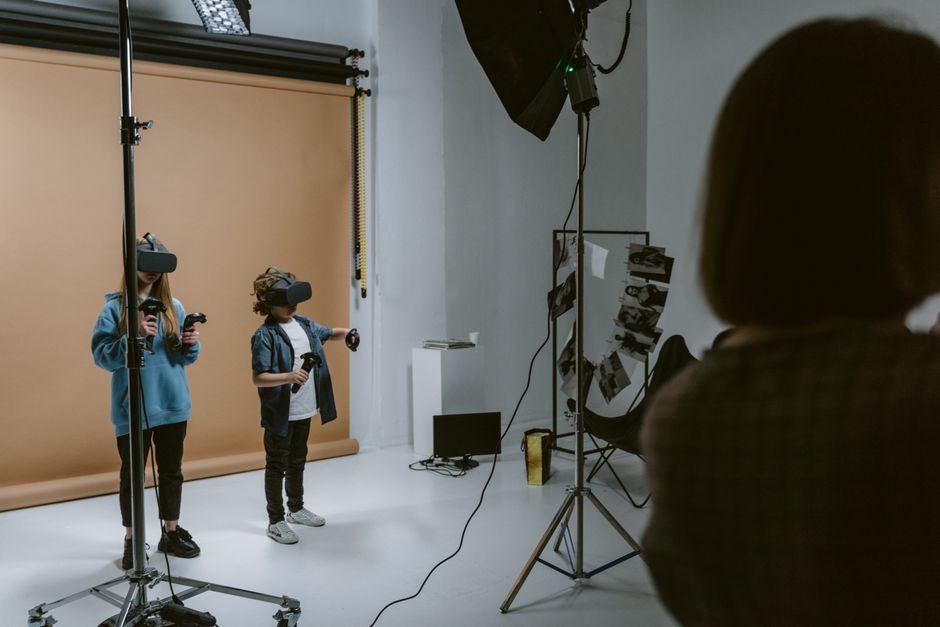
The rise of virtual reality (VR) technology has further propelled the popularity of virtual tour photography. With the ability to create realistic simulations, businesses can offer an unprecedented level of engagement. For example, real estate agents can showcase properties in a way that allows potential buyers to feel as if they are walking through the home, significantly increasing the chances of a sale.
Benefits of Using Virtual Tour Photography
One of the primary benefits of virtual tour photography is its ability to enhance customer engagement. According to a study by the National Association of Realtors, properties with virtual tours receive 87% more views than those without. This heightened interest translates into more inquiries and increased sales opportunities.
Furthermore, virtual tours can help businesses save time and resources. By allowing customers to explore a space online, companies can reduce the number of unnecessary physical visits. This efficiency is particularly beneficial in industries such as hospitality, where potential guests can virtually tour hotels before making a booking decision.
How to Implement Virtual Tour Photography in Your Business
Implementing virtual tour photography requires careful planning and execution. Businesses should start by identifying the key areas they want to showcase. For example, a restaurant might focus on its dining area, kitchen, and bar to give potential customers a complete picture of the experience they offer.
Once the areas are defined, hiring a professional photographer experienced in virtual tour photography is crucial. These professionals understand the technical aspects of capturing high-quality images and can guide businesses in presenting their spaces most effectively. For those looking to explore options, many resources are available online, such as virtual tour photography services that cater to various industries.
Case Studies: Success Stories
Numerous businesses have successfully integrated virtual tour photography into their marketing strategies. For instance, a boutique hotel in California saw a 30% increase in bookings after launching a virtual tour on its website. This immersive experience allowed potential guests to visualize their stay, making them more likely to reserve a room.
Similarly, a real estate agency reported a 50% increase in client inquiries after incorporating virtual tours into their property listings. By providing an engaging way to explore homes, they attracted more potential buyers and closed sales faster than before.
The Future of Virtual Tour Photography
The future of virtual tour photography looks promising, with advancements in technology continuing to enhance the experience. As augmented reality (AR) and virtual reality (VR) technologies become more accessible, businesses can create even more engaging and interactive experiences for their customers.
Moreover, as consumers increasingly seek online experiences, the demand for virtual tours is expected to grow. Companies that embrace this trend will likely gain a competitive edge in their respective markets, making virtual tour photography an essential component of modern marketing strategies.
Conclusion
In conclusion, virtual tour photography is transforming how businesses connect with their customers. By providing immersive experiences, companies can enhance engagement, streamline operations, and ultimately drive sales. As technology continues to evolve, embracing virtual tour photography will be crucial for businesses looking to thrive in an increasingly digital landscape.
About the Author