
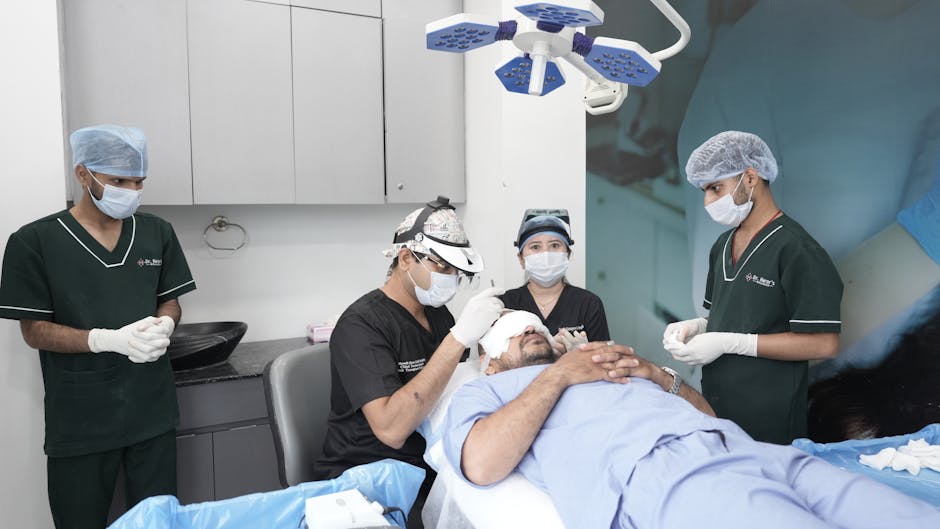
In today’s world, hair loss is a common concern that affects millions of individuals globally. The quest for solutions has led many to explore hair transplant procedures as a viable option. With advancements in medical technology, these procedures have become more accessible and effective, offering hope to those seeking to regain their confidence and youthful appearance.
Understanding Hair Loss
Before diving into hair transplant options, it is essential to understand the underlying causes of hair loss. Factors such as genetics, hormonal changes, medical conditions, and stress play significant roles in hair thinning and baldness. According to the American Hair Loss Association, by the age of 35, approximately 66% of men will experience some degree of hair loss, and by the age of 50, around 85% will have significantly thinning hair.
Additionally, women are not exempt from hair loss issues; approximately 40% of women experience visible hair loss by the age of 40. Understanding these statistics not only highlights the prevalence of the issue but also emphasizes the importance of finding effective solutions, such as hair transplants.
What is a Hair Transplant?
A hair transplant is a surgical procedure that involves moving hair follicles from a part of the body known as the donor site to a bald or balding area known as the recipient site. This method is primarily used to treat male pattern baldness but is also effective for women experiencing hair loss. The two most common techniques used in hair transplants are Follicular Unit Transplantation (FUT) and Follicular Unit Extraction (FUE).
FUT involves removing a strip of skin from the back of the head, from which individual hair follicles are harvested. In contrast, FUE involves extracting individual hair follicles directly from the scalp, leaving minimal scarring. Both methods have their advantages and disadvantages, and potential candidates should consult with a qualified hair restoration specialist to determine the best approach for their specific needs.
The Procedure and Recovery
The hair transplant procedure typically takes several hours, depending on the number of grafts being transplanted. Local anesthesia is used to minimize discomfort, and patients can generally return home the same day. Post-procedure care is crucial for optimal results. Patients are advised to avoid strenuous activities and follow the doctor’s guidelines for cleaning the scalp.
Recovery times can vary, but many individuals can return to their daily routines within a week. It is important to note that transplanted hair will initially fall out within a few weeks, but new hair growth usually begins within three to four months. Full results are typically visible within 6 to 12 months, making patience essential during the recovery process.
Cost Considerations
The cost of hair transplants can vary widely based on several factors, including the technique used, the clinic’s location, and the number of grafts required. On average, patients can expect to pay between $4,000 and $15,000 for a hair transplant procedure. While this may seem like a significant investment, many consider it worthwhile for the long-term benefits of restored hair and confidence.
Interestingly, many individuals are choosing to travel abroad for their hair transplant procedures to take advantage of lower costs without compromising quality. For instance, Turkey has become a popular destination for hair transplants, attracting thousands of international patients seeking affordable and effective treatments. Many clinics in Turkey, such as those highlighted in discussions about hair transplant turkey, offer comprehensive packages that include accommodation and transportation, making the process even more appealing.
Choosing the Right Clinic
When considering a hair transplant, selecting the right clinic is paramount. Research is essential; prospective patients should look for clinics with experienced surgeons, positive patient reviews, and transparent pricing. It is also wise to verify the clinic’s accreditation and the qualifications of its medical staff.
Consultations are a vital part of the decision-making process. During these meetings, patients should feel comfortable asking questions about the procedure, recovery, and expected outcomes. A reputable clinic will provide thorough answers and ensure that patients have realistic expectations about their results.
Future of Hair Restoration
As technology continues to evolve, the future of hair restoration looks promising. Innovations such as robotic-assisted hair transplant systems and advanced hair growth therapies are making procedures more efficient and effective. Additionally, research into stem cell therapy and other regenerative techniques may offer new hope for individuals suffering from hair loss.
In conclusion, hair transplants can be a life-changing solution for many individuals experiencing hair loss. With the right information and support, potential candidates can make informed decisions and embark on a journey towards renewed confidence and self-esteem.
About the Author