
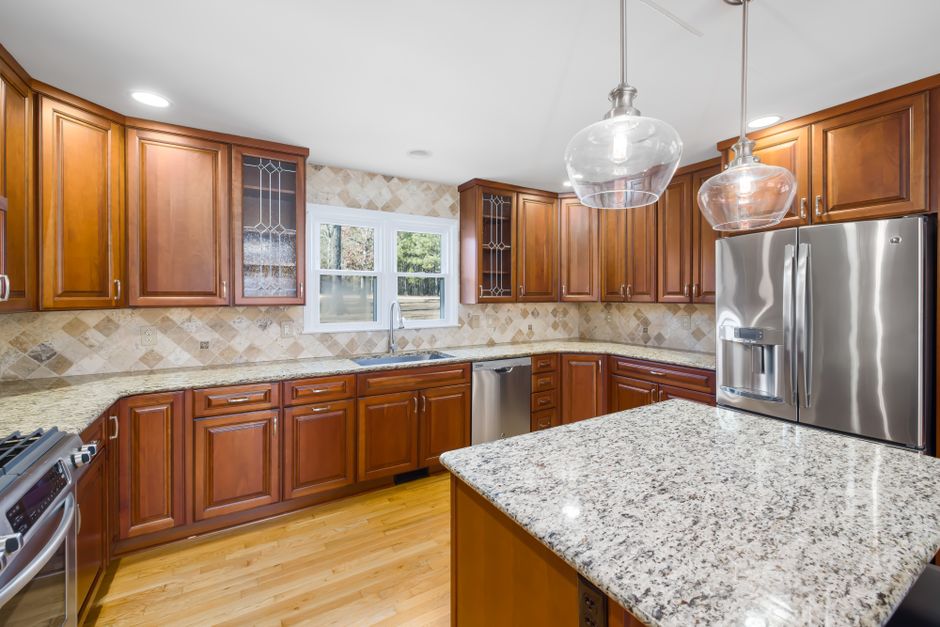
The kitchen is often referred to as the heart of the home, and for good reason. It is where families gather, where meals are prepared, and where memories are made. As such, kitchen remodeling is not just a trend; it is an investment in your home and lifestyle. Whether you are looking to update your space for personal enjoyment or to increase your property value, understanding the key elements of a successful kitchen remodel is essential.
Understanding Your Needs and Goals
Before diving into a kitchen remodel, it’s crucial to assess your needs and goals. Are you looking to create a more functional space, update the style, or perhaps both? Identifying your primary objectives will help guide your decisions throughout the remodeling process. For instance, if you love to cook, you may prioritize a layout that maximizes efficiency, such as the classic work triangle between the sink, stove, and refrigerator.
Additionally, consider your family’s lifestyle. Do you entertain often? In that case, an open-concept kitchen with an island for guests to gather around might be ideal. On the other hand, if your family is smaller, you might opt for a more compact design that focuses on maximizing storage and counter space.
Setting a Realistic Budget
Once you have a clear understanding of your needs, the next step is to set a realistic budget. Kitchen remodeling costs can vary significantly based on the scope of the project, materials selected, and labor costs. On average, homeowners can expect to spend between $12,000 and $35,000 for a mid-range kitchen remodel, according to the National Kitchen and Bath Association.
When planning your budget, it’s essential to account for all aspects of the remodel, including cabinetry, countertops, appliances, flooring, and fixtures. Additionally, don’t forget to include a contingency fund for unexpected expenses that may arise during the renovation process.
Choosing the Right Design Style
With your needs and budget in mind, you can begin to explore design styles that resonate with you. Popular kitchen design styles include modern, traditional, farmhouse, and industrial. Each style comes with its own unique characteristics and can dramatically affect the overall feel of your space.
For example, a modern kitchen often features sleek lines, minimalistic designs, and a monochromatic color palette, while a farmhouse kitchen may incorporate warm wood tones, vintage accents, and a cozy atmosphere. To help you visualize your options, consider visiting design websites or home improvement stores for inspiration.
Selecting Quality Materials and Appliances
The materials and appliances you choose will have a significant impact on both the functionality and aesthetics of your kitchen. When selecting cabinetry, for instance, opt for high-quality materials that will withstand the test of time. Solid wood cabinets, while more expensive, offer durability and a classic look that can enhance your kitchen’s value.
In terms of appliances, energy-efficient models can save you money on utility bills while providing modern conveniences. Look for appliances with the ENERGY STAR label, which signify that they meet energy efficiency guidelines set by the U.S. Environmental Protection Agency.
Working with Professionals
While DIY projects can be rewarding, a kitchen remodel often requires the expertise of professionals. Hiring a qualified contractor can ensure that your project runs smoothly and adheres to local building codes. When selecting a contractor, be sure to check references and assess previous work to find someone whose style aligns with your vision.
Additionally, consider working with a kitchen designer who can help you maximize your space and create a cohesive look. A designer can also assist with material selection and layout planning, making the remodeling process more efficient.
Conclusion
In conclusion, kitchen remodeling is a multifaceted process that requires careful planning and execution. By understanding your needs, setting a realistic budget, choosing the right design style, selecting quality materials, and working with professionals, you can transform your kitchen into a space that not only meets your functional needs but also reflects your personal style. For those seeking inspiration, exploring kitchen remodeling ideas can be a great starting point for your renovation journey.
About the Author