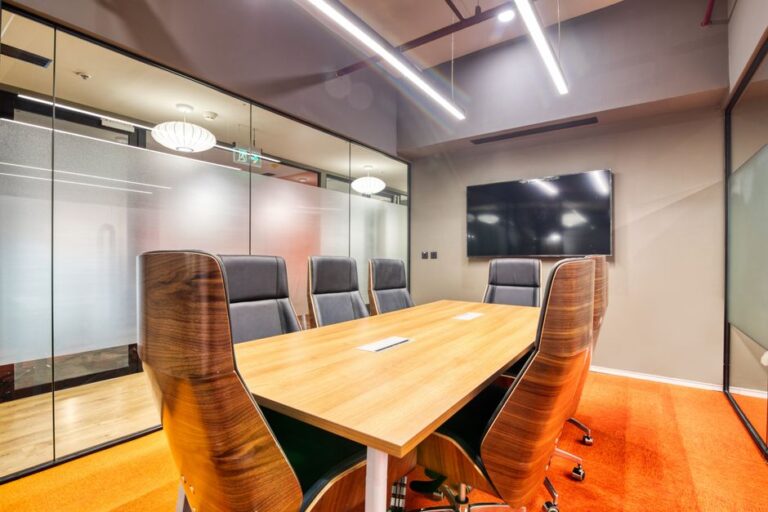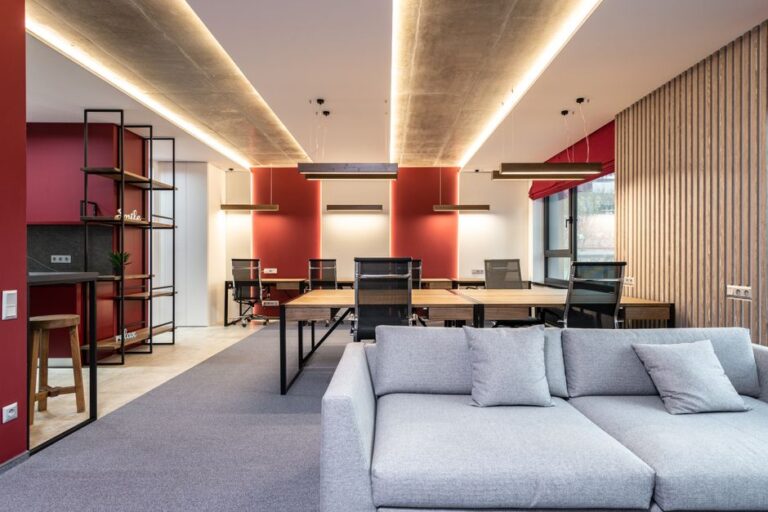

In the ever-evolving world of architecture and design, the role of a commercial interior designer has become paramount. These professionals not only create aesthetically pleasing environments but also ensure functionality and compliance with regulations. This article delves into the crucial aspects of commercial interior design, highlighting its significance in various industries.
Understanding Commercial Interior Design
Commercial interior design is a specialized field that focuses on designing spaces for businesses and organizations. Unlike residential design, which emphasizes personal taste and comfort, commercial design prioritizes functionality and brand identity. From corporate offices to retail stores, every commercial space must cater to its intended audience while reflecting the organization’s values.
The importance of a well-designed commercial space cannot be overstated. Studies have shown that effective design can enhance employee productivity by up to 20%, making it a vital investment for businesses. Additionally, a well-thought-out interior can attract customers and improve their overall experience, directly impacting sales and brand loyalty.
The Design Process: From Concept to Completion
The journey of commercial interior design begins with a thorough understanding of the client’s needs and objectives. Designers conduct assessments of the existing space, analyze demographic data, and consider the latest design trends to develop a comprehensive plan. This phase often includes conceptual sketches and mood boards that help visualize the final product.
Once the concept is approved, designers create detailed layouts and select materials, colors, and furnishings. Collaboration with contractors and other professionals is crucial during this stage to ensure the project stays on schedule and within budget. Throughout the construction phase, a commercial interior designer manages the site, making adjustments as necessary to maintain the integrity of the design.
Key Elements of Successful Commercial Spaces
Successful commercial spaces share several key elements that contribute to their effectiveness. First and foremost is functionality. Every aspect of the design must facilitate the intended use of the space, whether it’s promoting collaboration in an office or optimizing product display in a retail setting.
Another essential element is branding. A commercial interior designer must ensure that the design aligns with the client’s brand identity. This can involve incorporating brand colors, logos, and other visual elements that reinforce the company’s message. For example, a tech startup might choose a modern, minimalist design to reflect innovation, while a luxury boutique might opt for elegant, high-end finishes to convey exclusivity.
Challenges in Commercial Interior Design
Despite the rewarding nature of commercial interior design, professionals face various challenges. One significant challenge is adhering to building codes and regulations. Designers must stay informed about local laws and standards to ensure that their designs are both safe and compliant.
Budget constraints also pose a common challenge. Balancing quality with affordability can be difficult, especially when clients have high expectations. A skilled commercial interior designer knows how to maximize a budget, prioritizing elements that make the most significant impact while finding cost-effective alternatives for less critical aspects.
The Future of Commercial Interior Design
The future of commercial interior design looks promising, with trends continuously evolving to meet the demands of a dynamic marketplace. Sustainability is becoming a focal point, as more businesses prioritize eco-friendly materials and practices. Commercial interior designers are now tasked with creating spaces that not only look good but also minimize environmental impact.
Moreover, the rise of remote work has led to a shift in office design, with an emphasis on flexible spaces that accommodate both in-person and remote employees. Designers are exploring innovative ways to create adaptable environments that foster collaboration and creativity, regardless of where employees are located.
As the industry progresses, the role of a commercial interior designer will continue to expand, merging creativity with technology and sustainability to shape the future of work and commerce.
About the Author