
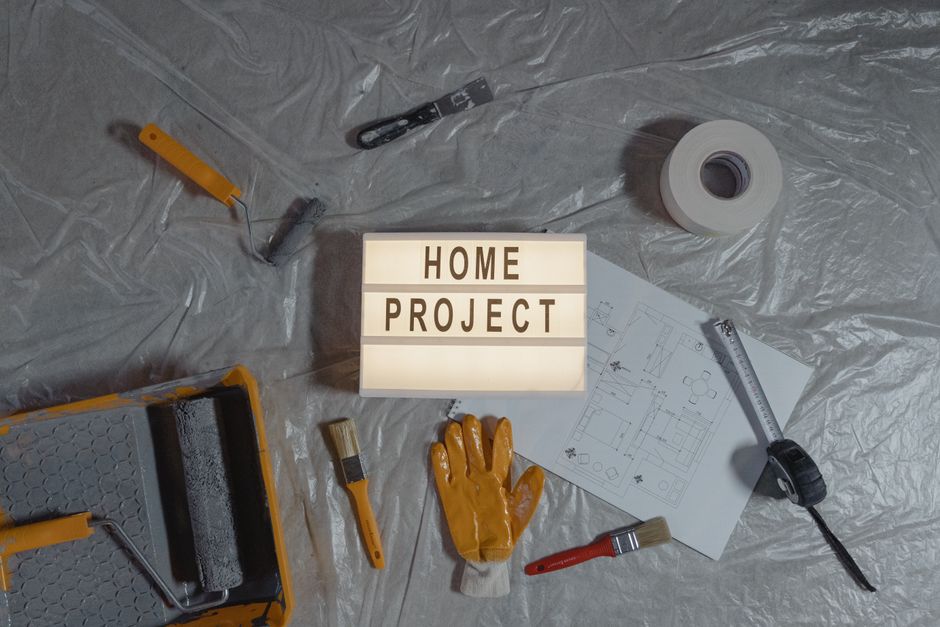
Home improvement is not just about aesthetics; it’s about enhancing your living space to reflect your personal style while adding value to your property. With the right approach, even small changes can lead to significant transformations. Whether you are looking to renovate a single room or undertake a full-scale remodel, understanding the basics of home improvement can save you time, money, and headaches.
Understanding the Basics of Home Improvement
Before diving into any home improvement project, it’s crucial to have a clear understanding of what you want to achieve. Are you looking to increase the value of your home, improve energy efficiency, or simply create a more comfortable living environment? Knowing your goals will help guide your decisions throughout the process. Additionally, budgeting is a vital aspect of any renovation. Establish a realistic budget that includes all potential costs, from materials to labor, and ensure you have a contingency fund for unexpected expenses.
One effective way to stay organized is to create a detailed plan or checklist for your project. This not only helps you keep track of your progress but also allows you to prioritize tasks based on urgency and importance. For instance, if you are planning a kitchen remodel, focus on crucial elements like plumbing and electrical work before moving on to cosmetic changes.
Choosing the Right Materials
The materials you choose can significantly impact the final outcome of your home improvement project. Opting for high-quality materials can enhance durability and aesthetic appeal, while poor choices may lead to costly repairs down the line. For example, when selecting flooring, consider the room’s function and the amount of foot traffic it will receive. Hardwood floors are beautiful and can add value, but they may not be the best choice for a busy family kitchen.
Moreover, sustainability is becoming increasingly important in home improvement. Many homeowners are now opting for eco-friendly materials that not only reduce environmental impact but can also save money on energy bills in the long run. Items like bamboo flooring, recycled glass tiles, and energy-efficient windows are excellent choices that marry function with form.
DIY vs. Hiring a Professional
One of the biggest decisions in any home improvement project is whether to do it yourself (DIY) or hire a professional. While DIY projects can be a rewarding experience and save you money, they can also be time-consuming and may lead to mistakes if you’re not experienced. Assess your skills honestly and consider the complexity of the task at hand. For example, tasks like painting or installing shelves can be tackled by most homeowners, whereas plumbing or electrical work typically requires professional expertise.
Hiring a contractor can provide peace of mind, especially for larger projects. Make sure to do your research and select a licensed professional with good reviews. Getting multiple quotes can also help you find a fair price for the work you need done. Remember, investing in quality workmanship can prevent future issues and ultimately save you money.
Increasing Energy Efficiency
Energy efficiency is a key consideration in home improvement that can lead to significant savings over time. Simple upgrades such as installing programmable thermostats, sealing windows and doors, and adding insulation can make a substantial difference in your energy bills. According to the U.S. Department of Energy, homeowners can save up to 25% on heating and cooling costs by properly sealing their homes.
In addition, consider incorporating renewable energy solutions such as solar panels. While the initial investment may be high, the long-term savings and potential tax incentives can make it a worthwhile endeavor. Furthermore, many homeowners are increasingly drawn to properties that prioritize sustainability, making these improvements a smart investment for the future.
Final Touches and Maintenance
After the major renovations are complete, it’s time to focus on the finishing touches that will bring your vision to life. Decor elements such as paint colors, furniture choices, and lighting fixtures can dramatically change the look and feel of a space. Take the time to choose items that reflect your personal style and make your home feel inviting.
Finally, ongoing maintenance is essential to protect your investment. Regularly inspect your home for any signs of wear and tear, and address issues promptly. This could include tasks like cleaning gutters, checking for leaks, and servicing HVAC systems. By staying proactive, you can prolong the life of your home and maintain its value.
Conclusion
Home improvement is a journey that can greatly enhance your living space and increase the value of your property. By understanding the basics, choosing the right materials, weighing the pros and cons of DIY versus hiring professionals, focusing on energy efficiency, and adding personal touches, you can create a home that is not only beautiful but functional as well. Remember that each small change contributes to the bigger picture, so take your time and enjoy the process. For those interested in more creative ideas and inspiration, visiting a fashion blog can provide additional insights into current trends and styles that can be applied to your home improvement projects.
About the Author