
Child therapy is an essential service aimed at helping children navigate their emotions, behaviors, and relationships. With increasing awareness of mental health issues among younger populations, child therapy has gained significant traction in recent years. This article will explore various aspects of child therapy, including its importance, types, techniques, and the role of parents in the therapeutic process.
The Importance of Child Therapy
Childhood is a critical period for emotional and psychological development. Issues such as anxiety, depression, and behavioral problems can arise, often rooted in environmental factors or developmental challenges. According to the National Institute of Mental Health, approximately one in five children in the United States experiences a mental health disorder at some point in their lives. This statistic underscores the necessity for accessible mental health resources for children.
Child therapy serves as a preventative measure, helping children develop coping strategies and emotional resilience. Moreover, it fosters healthy communication skills and provides a safe space for children to express their feelings. When children are equipped with these skills, they are less likely to experience long-term mental health issues as they grow.
Types of Child Therapy
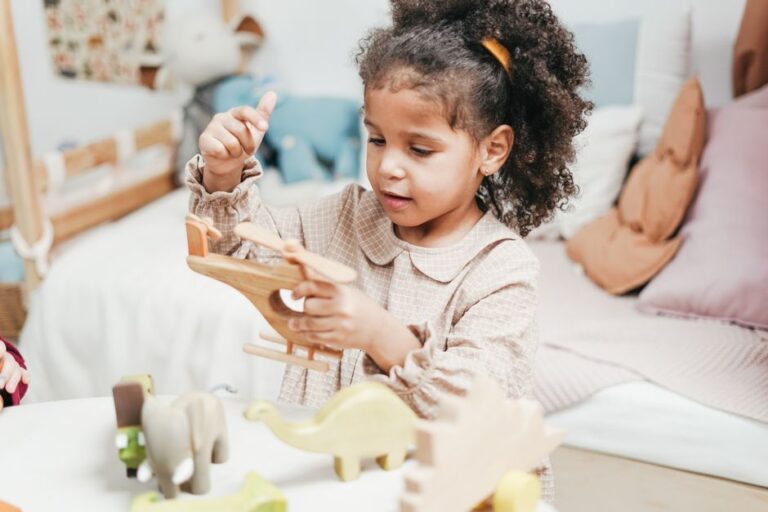
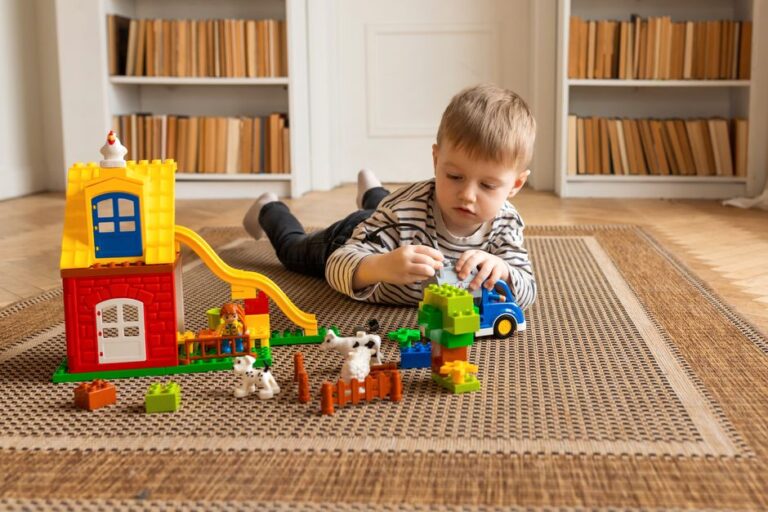
There are various types of therapy tailored to meet the unique needs of children. Play therapy, for instance, is a widely recognized method that allows children to express themselves through play, which is crucial for their understanding and processing of emotions.
Another common approach is cognitive-behavioral therapy (CBT). This technique helps children identify negative thought patterns and develop healthier responses. It is particularly effective for issues such as anxiety and depression. Additionally, family therapy can be beneficial, involving parents or guardians to address relational dynamics that may contribute to a child’s difficulties.
Techniques Used in Child Therapy
Child therapists employ a variety of techniques to engage young clients effectively. One such technique is storytelling, where therapists use narratives to help children articulate their feelings and experiences. By relating their situation to a story, children can gain insights and learn to cope with their issues in a less threatening manner.
Art therapy is another effective method. It allows children to express their emotions through creative outlets, which can be especially helpful for those who struggle with verbal communication. This technique not only provides a form of expression but also helps therapists gauge the child’s emotional state through their artwork.
Furthermore, therapists may incorporate relaxation techniques, such as deep breathing exercises or mindfulness practices, to help children manage anxiety and stress. These techniques can be valuable tools for children to use in their daily lives.
The Role of Parents in Child Therapy
Parents play a crucial role in the success of child therapy. Their involvement can significantly enhance the therapeutic process. Communication between parents and therapists is vital, as it ensures that everyone is on the same page regarding the child’s treatment plan.
Parents can also reinforce the skills learned in therapy by practicing them at home. For example, if the therapist teaches the child coping mechanisms for dealing with anger, parents can help by encouraging their child to use these techniques during challenging situations.
Moreover, being supportive and open about mental health can foster an environment where children feel safe to express their feelings. When parents model healthy emotional behavior, children are more likely to adopt similar practices.
Conclusion
Child therapy is an invaluable resource for addressing the mental health needs of children. By understanding its importance, the various types of therapy available, and the techniques employed, parents can better support their children through difficult times. As mental health awareness continues to grow, it is imperative that parents seek out resources and support systems to ensure their children thrive emotionally and psychologically. If you’re interested in learning more about specific therapy methods, such as the principles of behavior management, consider exploring What is ABA therapy to see how they might benefit your child.
About the Author