
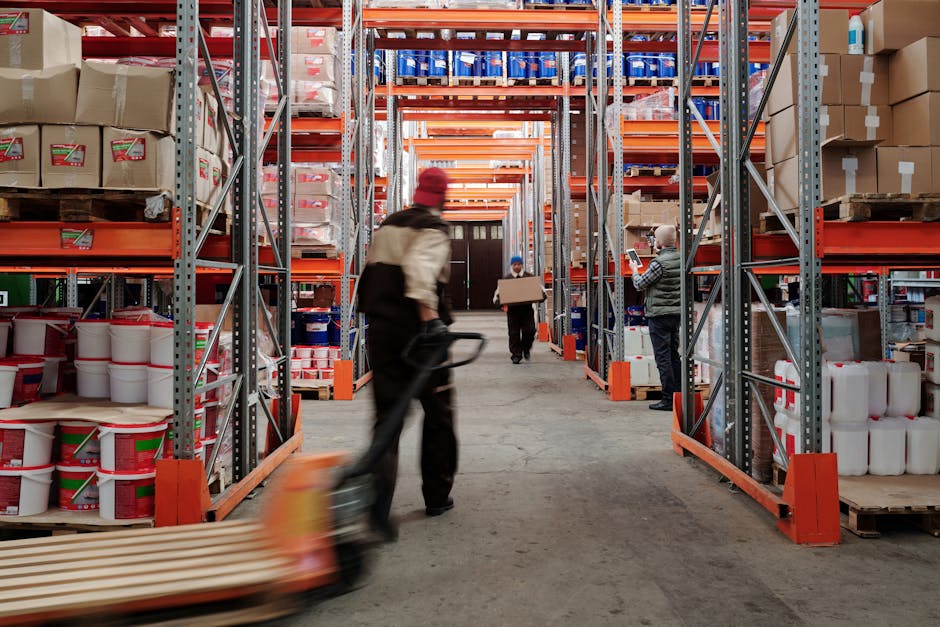
In today’s fast-paced business environment, the role of distributors has become increasingly significant. They serve as crucial intermediaries between manufacturers and retailers, ensuring that products reach the market efficiently and effectively. This article delves into the multifaceted functions of distributors, the benefits they bring to the supply chain, and the evolving landscape of distribution in various industries.
The Importance of Distribution Channels
Distribution channels play a vital role in the supply chain, facilitating the movement of goods from producers to consumers. Distributors are essential in this process, as they help streamline operations, reduce costs, and enhance product availability. By managing inventory and logistics, distributors ensure that products are accessible to retailers and consumers when needed.
According to a report by the National Association of Wholesaler-Distributors, the distribution industry contributes over $5 trillion to the U.S. economy, highlighting its importance. In addition to economic contributions, distributors also provide valuable market insights that can help manufacturers tailor their products to meet consumer demands.
Types of Distributors
Distributors can be broadly categorized into several types, each serving distinct functions. Some of the most common types include:
- Wholesale Distributors: These distributors purchase large quantities of goods from manufacturers and sell them in smaller quantities to retailers.
- Retail Distributors: Retail distributors sell products directly to consumers, often through physical or online stores.
- Value-Added Resellers (VARs): VARs enhance products by adding features or services before selling them to end-users.
- Specialized Distributors: These distributors focus on specific product lines or industries, providing expertise and targeted services.
Each type of distributor plays a unique role in the supply chain, and businesses must choose the right type based on their specific needs and market dynamics.
The Advantages of Using Distributors
Utilizing distributors offers numerous advantages for manufacturers and retailers alike. Here are some key benefits:
- Cost Efficiency: Distributors can help reduce costs associated with warehousing, transportation, and inventory management. By consolidating shipments and managing logistics, they streamline operations.
- Market Reach: Distributors often have established relationships with retailers, allowing manufacturers to penetrate new markets and expand their customer base more easily.
- Expertise and Support: Many distributors offer valuable insights and support, helping manufacturers navigate market trends and consumer preferences.
Furthermore, distributors can enhance the overall customer experience by ensuring that products are readily available and providing responsive service. For instance, companies that leverage distributors can respond more swiftly to changes in demand or market conditions.
The Future of Distribution
The distribution landscape is continually evolving, influenced by technological advancements and changing consumer behaviors. One significant trend is the rise of e-commerce, which has transformed how products reach consumers. Distributors are increasingly adopting digital tools to improve efficiency, track inventory, and enhance customer interaction.
Additionally, sustainability has become a crucial consideration in distribution strategies. Many distributors are now focusing on eco-friendly practices, such as reducing packaging waste and optimizing transportation routes to minimize carbon footprints.
For example, companies are exploring innovative solutions like automation and artificial intelligence to optimize their supply chains. Integrating these technologies can lead to more efficient operations and improved customer satisfaction.
Conclusion
In conclusion, distributors play a vital role in the modern supply chain, bridging the gap between manufacturers and consumers. Their ability to enhance efficiency, expand market reach, and provide valuable insights makes them indispensable in today’s competitive landscape. As the industry continues to evolve, businesses must adapt their distribution strategies to meet the demands of an ever-changing market. The integration of new technologies and sustainable practices will likely shape the future of distribution, ensuring that it remains a cornerstone of successful commerce.
For businesses looking to optimize their distribution strategy, partnering with reliable distributors can be a game-changer. Additionally, exploring innovative products like BPC157+TB500 can enhance supply chain effectiveness and drive growth.
About the Author