
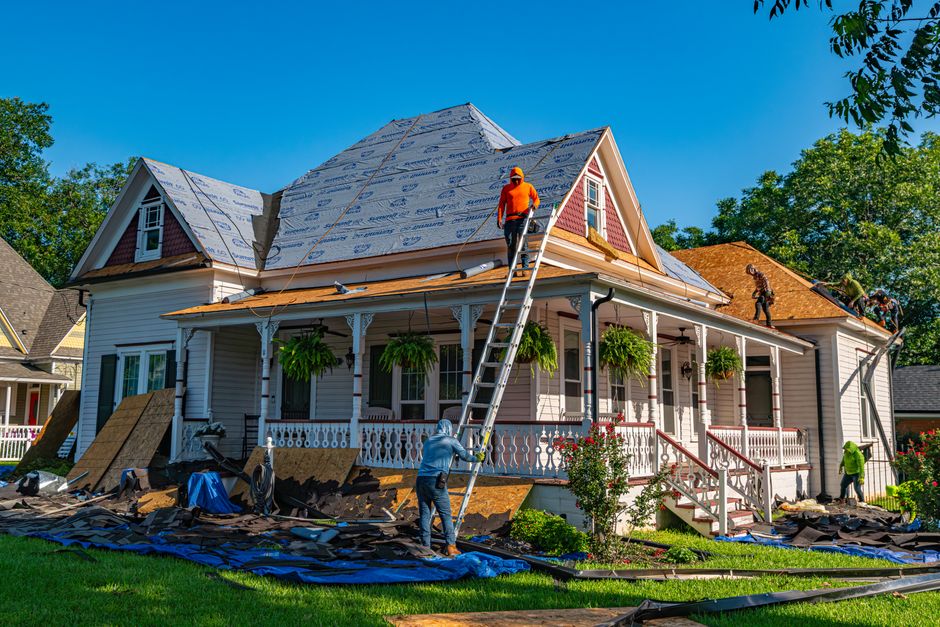
When it comes to home renovations, one of the most significant expenses a homeowner may face is the cost of roof replacement. A roof is essential for protecting your home from the elements, and knowing the factors that influence its replacement cost can help you make informed decisions. In this article, we will delve deep into the various aspects that determine the overall roof replacement cost to help you budget effectively and ensure that your investment is worthwhile.
Factors Influencing Roof Replacement Cost
The cost of replacing a roof can vary significantly depending on several key factors. First and foremost, the type of roofing material you choose plays a crucial role. Popular options such as asphalt shingles, metal roofing, and tile each come with their own price points and longevity. For instance, while asphalt shingles are typically the most affordable option, metal roofing, although initially more expensive, tends to last longer and may save you money in the long run.
Another important factor is the size and pitch of your roof. Larger roofs naturally require more materials and labor, which can increase costs. Additionally, roofs with a steep pitch can pose safety risks for workers, potentially leading to higher labor costs as well. It’s vital to assess these factors before making a decision on your roofing project.
Additionally, the location of your home can impact the overall cost of roof replacement. In areas prone to severe weather, such as heavy rainfall or snow, homeowners may need to invest in more durable materials, which can raise the overall price. Local labor rates also vary, so it’s essential to research and obtain multiple quotes from contractors in your area.
Average Cost Estimates
To give you a better idea of what to expect, let’s look at some average cost estimates for roof replacement. A typical asphalt shingle roof replacement might range from $3,000 to $7,000 for an average-sized home. However, if you opt for a high-end material such as slate or tile, costs can soar to anywhere between $15,000 and $30,000 or more.
It’s also important to factor in additional expenses that may arise during the replacement process. For instance, if your roof has significant underlying damage or if your contractor discovers mold or rot during the project, you may incur extra costs for repairs. Therefore, it’s wise to budget an additional 10-20% on top of your initial estimates to account for unforeseen expenses.
Choosing the Right Contractor
Once you have a clear understanding of the costs involved, the next step is to select a reputable contractor for your roof replacement. It’s essential to do your due diligence, as a reliable contractor can significantly impact the overall success of your project. Look for contractors with good reviews, proper licensing, and insurance coverage.
Furthermore, obtaining multiple bids can help you understand the market rates and identify any discrepancies in pricing. During the bidding process, don’t hesitate to ask for detailed breakdowns of costs, timelines, and warranties. This transparency will aid you in making an informed decision.
Another key aspect is communication. A good contractor will be responsive to your questions and concerns, ensuring that you feel comfortable throughout the roofing process. Establishing a good rapport can go a long way in ensuring a smooth project.
Financing Options for Roof Replacement
Given the significant investment involved, many homeowners seek financing options for roof replacement. Fortunately, there are various avenues available. Some contractors offer financing plans, allowing you to pay in installments over time. Additionally, you may explore home equity loans or lines of credit, which can provide the necessary funds for your project.
Before committing to any financing option, it’s crucial to review the terms and interest rates, as these can vary widely. It may also be beneficial to consult with a financial advisor to determine the best course of action for your specific financial situation.
Lastly, don’t forget to check for any available grants or assistance programs, especially if you reside in an area prone to natural disasters.
Conclusion
In conclusion, understanding roof replacement costs is vital for any homeowner considering this significant investment. By taking into account factors such as roofing material, size, location, and contractor selection, you can better prepare financially for this important home improvement project. Remember, the upfront costs can be high, but investing in a quality roof will protect your home for years to come. If you want to dive deeper into the specifics of roof replacement cost, consult with professionals to ensure you make the best choice for your home and budget.
About the Author