
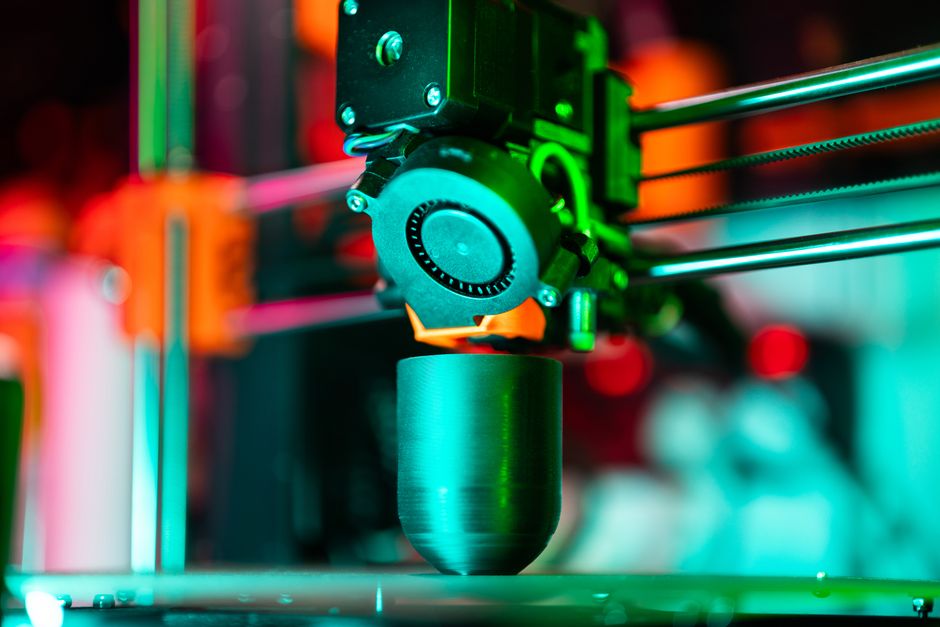
In recent years, 3D printing has moved from the realm of prototyping and hobbyist projects into mainstream production. This transformative technology has revolutionized industries, from healthcare to manufacturing, allowing for unprecedented customization and efficiency. As businesses and consumers increasingly recognize its potential, the demand for 3D printing services has surged, changing the way we think about product development and design.
The Basics of 3D Printing
3D printing, also known as additive manufacturing, involves creating three-dimensional objects from a digital file. This process is fundamentally different from traditional manufacturing methods, which often involve subtracting material from a larger block. In 3D printing, materials are added layer by layer, allowing for complex designs and reduced waste.
Various technologies underpin 3D printing, including Fused Deposition Modeling (FDM), Stereolithography (SLA), and Selective Laser Sintering (SLS). Each method has its unique advantages, making certain technologies better suited for specific applications. For instance, FDM is widely used for prototyping due to its cost-effectiveness, while SLA is favored for producing high-detail models.
Applications of 3D Printing Services
The applications of 3D printing are vast and varied. In the medical field, for example, 3D printing is used to create custom prosthetics, dental implants, and even bioprinted tissues. According to a report by the American Society of Mechanical Engineers, the use of 3D printing in healthcare is expected to grow at a rate of over 25% annually.
In manufacturing, companies leverage 3D printing for rapid prototyping and production of complex parts. This capability significantly reduces the time from design to market. For instance, General Electric has utilized 3D printing to produce fuel nozzles for jet engines, which are lighter and more durable than traditionally manufactured parts.
The Benefits of 3D Printing Services
One of the primary benefits of 3D printing services is the ability to produce customized products on demand. This is particularly advantageous for businesses looking to cater to niche markets or create tailored solutions for clients. Additionally, 3D printing can lead to substantial cost savings by minimizing material waste and reducing the need for extensive inventories.
Another significant advantage is the speed of production. Traditional manufacturing processes can take weeks or even months to develop a product, whereas 3D printing can significantly shorten this timeline. For instance, NASA has explored the potential of 3D printing to produce spare parts for space missions, allowing for rapid repairs and modifications.
Challenges in the 3D Printing Industry
Despite its many advantages, the 3D printing industry faces several challenges. One major concern is the intellectual property issues surrounding 3D printed designs. As the technology becomes more accessible, protecting original designs and ensuring compliance with copyright laws becomes increasingly complex.
Furthermore, while 3D printing offers significant cost savings, the initial investment in high-quality printers and materials can be prohibitive for smaller businesses. As the market continues to grow, it is essential for companies to evaluate the long-term return on investment when considering adopting this technology.
The Future of 3D Printing Services
Looking ahead, the future of 3D printing services appears bright. As technology advances, we can expect to see improvements in speed, material diversity, and print quality. Innovations such as multi-material printing and bioprinting are set to open up new avenues for application across various industries.
Moreover, as sustainability becomes a more pressing concern, 3D printing could play a vital role in reducing the carbon footprint of manufacturing. By minimizing waste and enabling the use of recycled materials, it offers a more environmentally friendly alternative to traditional processes.
Conclusion
In conclusion, 3D printing services are not just a trend; they represent a fundamental shift in how products are designed, manufactured, and delivered. From healthcare to aerospace, the implications of this technology are profound. As businesses and consumers continue to embrace the advantages of 3D printing, the industry is poised for incredible growth and innovation. By understanding the capabilities and limitations of this technology, stakeholders can better position themselves to harness its full potential.
About the Author