The fashion industry is evolving rapidly, with consumers increasingly seeking unique and personalized products. One of the most effective ways for retailers and entrepreneurs to meet this demand is through private label clothing. This business model not only offers flexibility and control over branding but also presents lucrative opportunities for profit. In this article, we will explore the ins and outs of private label clothing, its advantages, considerations for starting a private label line, and successful case studies from the industry.
Understanding Private Label Clothing
Private label clothing refers to apparel that is manufactured by one company and sold under another company’s brand. This allows retailers to provide unique products without the complexities of designing and producing clothing themselves. Instead, they partner with manufacturers who specialize in creating high-quality garments. This relationship enables brands to focus on marketing, distribution, and sales while leaving the production to experts.
The appeal of private label clothing lies in its potential for higher margins. Retailers can set competitive prices while still maintaining profitability, as they control the entire supply chain. According to a report by Statista, the global private label market is projected to reach $200 billion by 2024, highlighting the growing demand for these products.
Advantages of Private Label Clothing
One significant advantage of private label clothing is brand differentiation. In a saturated market, offering unique designs helps businesses stand out. Retailers can create a distinct identity that resonates with their target audience, enhancing customer loyalty. Additionally, private label products often allow for better inventory management and reduced costs through bulk purchasing agreements with manufacturers.
Another key benefit is the flexibility to adapt to market trends. Retailers can quickly respond to changing consumer preferences by tweaking their clothing lines, thus staying relevant. For instance, if a certain style becomes popular, private label brands can adjust their offerings without the lengthy lead times associated with traditional manufacturing.
Steps to Start a Private Label Clothing Line
Starting a private label clothing line requires careful planning and execution. The first step is to identify your niche market. Research current trends and consumer preferences to determine which styles and products will appeal to your target demographic. Once you have a clear vision, it’s time to find a reliable manufacturer.
When selecting a manufacturer, consider factors such as production capacity, quality assurance processes, and their ability to meet your design specifications. Building a good relationship with your manufacturer can also lead to better terms and a smoother production process.
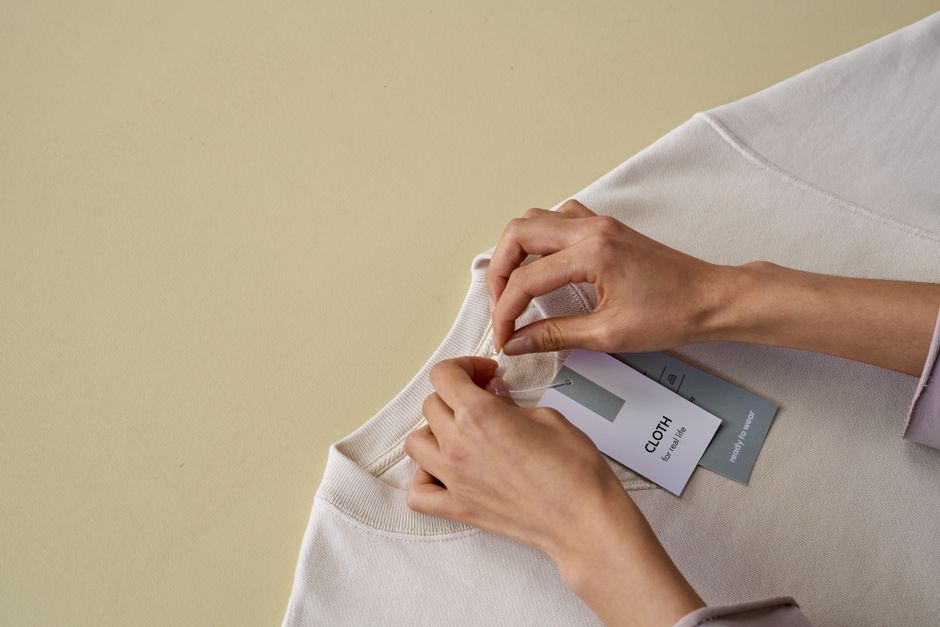
After securing a manufacturing partner, focus on branding. Develop a strong brand identity that reflects your values and resonates with your audience. This includes designing logos, packaging, and marketing materials that will be associated with your clothing line.
Successful Case Studies in Private Label Clothing
Several brands have successfully leveraged the private label model to build thriving businesses. For instance, the online fashion retailer ASOS has developed its private label brand, which now accounts for a significant portion of its revenue. By offering exclusive designs and maintaining high quality, ASOS has created a loyal customer base.
Similarly, brands like Everlane have gained popularity by emphasizing transparency in their manufacturing processes, which resonates with eco-conscious consumers. The ability to control the supply chain has empowered these brands to maintain ethical standards while delivering stylish clothing at competitive prices.
Challenges in Private Label Clothing
While the private label clothing model presents numerous opportunities, it is not without challenges. One major hurdle is ensuring product quality. Retailers must maintain strict quality control standards to protect their brand reputation. Regular inspections and communication with manufacturers are essential to mitigate risks.
Additionally, establishing a robust marketing strategy is crucial. With the competitive landscape of the fashion industry, brands must invest in effective marketing campaigns to attract customers. Utilizing social media, influencer partnerships, and targeted advertising can significantly enhance visibility and sales.
Conclusion
Private label clothing offers remarkable potential for entrepreneurs and retailers seeking to carve out their niche in the fashion industry. By understanding the advantages, following key steps to launch a private label line, and learning from successful case studies, businesses can harness this model to drive growth and profitability. As the market continues to expand, the opportunities for private label clothing will only increase, making it a compelling avenue for aspiring fashion entrepreneurs. For those interested in diving into this space, platforms that specialize in private label clothing can provide valuable resources and connections to get started.
About the Author