In today’s competitive landscape, visual representation plays a crucial role in various industries. From architecture to product design, the ability to showcase ideas in a realistic manner can make all the difference. Enter 3D rendering services, a powerful tool that transforms concepts into vivid visuals. This article delves into the significance of 3D rendering, its applications, and how it can enhance your projects.
Understanding 3D Rendering
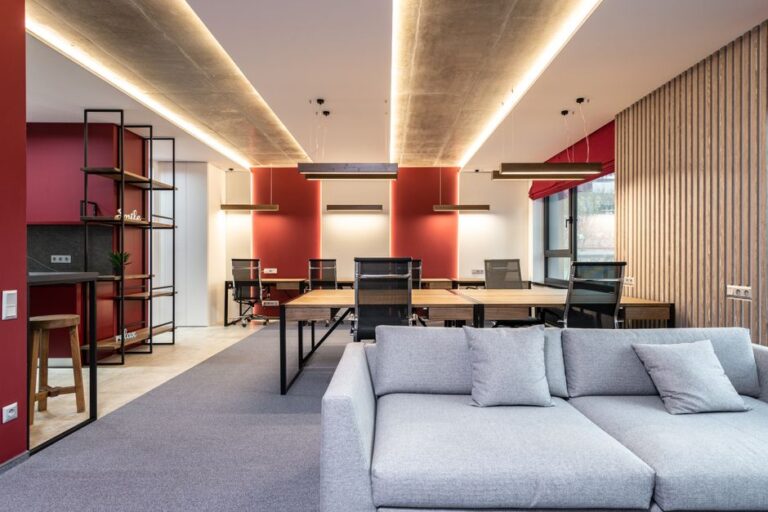
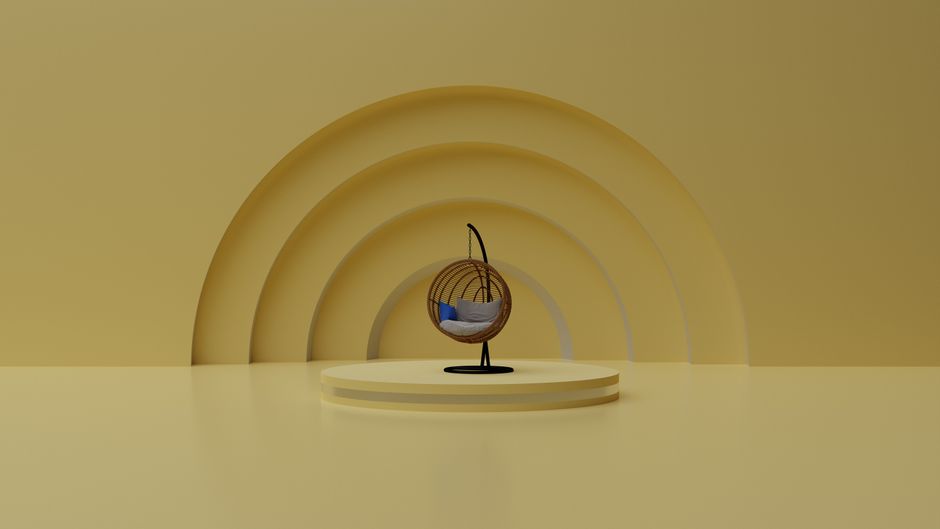
3D rendering is the process of creating a two-dimensional image from a three-dimensional model. This technique leverages advanced software and hardware to produce photorealistic images that can be used in various fields. The technology has evolved significantly, allowing for stunning visualizations that accurately represent textures, lighting, and shadows.
At its core, 3D rendering combines artistry and technology. Artists create detailed 3D models, while rendering software processes these models into images that appear lifelike. This synergy is essential for industries that rely on visual communication, such as real estate, interior design, and product marketing.
Applications of 3D Rendering Services
The applications of 3D rendering services are vast and varied. In architecture, for instance, architects utilize rendering to present building designs to clients before construction begins. This not only aids in client approval but also helps identify potential design flaws early in the process. A study by the American Institute of Architects found that 74% of architects believe that 3D rendering improves client communication.
Similarly, in product design, manufacturers create 3D renderings of products to test aesthetics and functionality. This allows for modifications to be made before physical prototypes are produced, saving time and resources. For marketing teams, high-quality renderings can be used in promotional materials, providing a visually appealing way to showcase products.
Benefits of Using 3D Rendering Services
Utilizing 3D rendering services offers numerous benefits. Firstly, it enhances communication. A well-crafted rendering can convey complex ideas in a simple and understandable manner, bridging the gap between technical jargon and client understanding. This visual clarity can significantly reduce misunderstandings and streamline the approval process.
Secondly, 3D renderings save time and costs. By identifying design flaws early through visualizations, teams can avoid costly revisions during construction or production. Additionally, the ability to quickly produce a range of visual options allows for faster decision-making.
Finally, 3D rendering services improve marketing efforts. In a digital age where consumers are bombarded with information, a striking visual can capture attention. High-quality renderings can increase engagement and interest, leading to higher conversion rates.
Choosing the Right 3D Rendering Service
When selecting a 3D rendering service, it’s essential to consider several factors. Firstly, assess the provider’s portfolio. A reputable service will showcase previous work that aligns with your vision and standards. Look for diversity in their projects, indicating versatility and experience.
Secondly, consider their technology and software capabilities. The rendering industry is constantly evolving, and staying updated with the latest tools is crucial for producing high-quality visuals. A provider utilizing advanced software will likely deliver better results.
Lastly, communication is key. A good 3D rendering service should be open to feedback and able to understand your goals. Effective collaboration can lead to more satisfying outcomes.
Conclusion
3D rendering services have transformed the way industries approach design and visualization. By providing a realistic representation of ideas, these services enhance communication, save time and costs, and improve marketing efforts. Whether in architecture, product design, or marketing, the impact of high-quality renderings is undeniable. To explore how 3D rendering services can benefit your projects, consider reaching out to professionals in the field. Embracing this technology will not only elevate your work but also give you a competitive edge in the market.
About the Author