In the competitive world of dining, the importance of restaurant interior design cannot be overstated. It is not merely about aesthetics; rather, it encompasses the entire dining experience, influencing customer satisfaction and retention. The right design can elevate a restaurant’s brand, making it memorable and inviting. This article delves into the key elements of effective restaurant interior design, offering insights that can help restaurateurs create a space that reflects their vision and appeals to their target audience.
Understanding the Importance of Interior Design
Interior design plays a critical role in setting the tone and atmosphere of a restaurant. It impacts not just the visual appeal but also the functionality of the space. A well-thought-out design can enhance customer comfort, leading to longer visits and increased spending. According to a study by the Restaurant Research Institute, 60% of diners said that the ambiance of a restaurant significantly influences their decision to return.
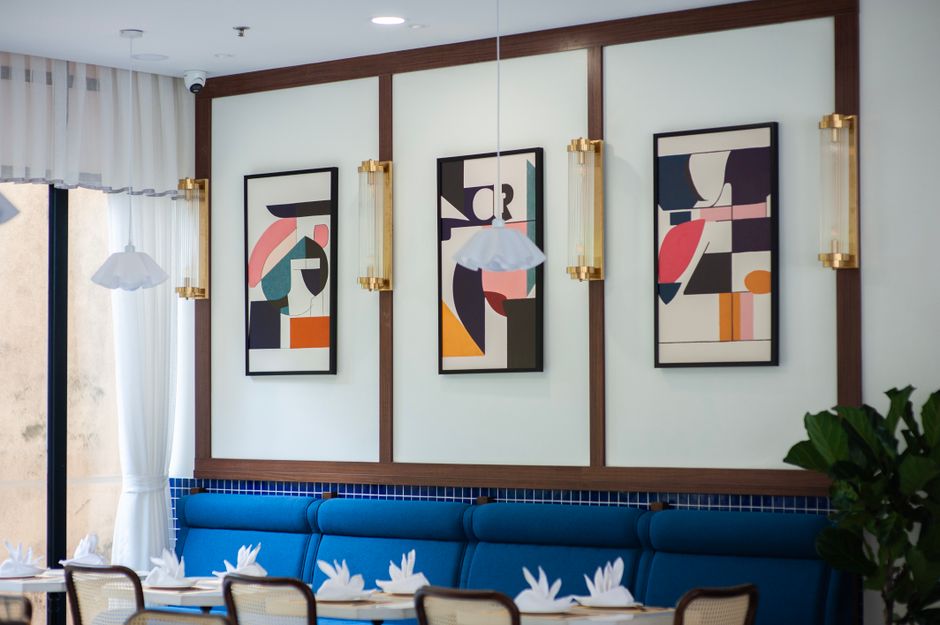
Moreover, the design can tell a story about the cuisine you offer. For instance, a rustic design with wooden elements may suggest a farm-to-table concept, while sleek and modern decor might indicate a focus on contemporary fine dining. Thus, aligning the interior design with the restaurant’s theme and cuisine is essential for creating a cohesive brand identity.
Key Elements of Restaurant Interior Design
When planning the interior design of a restaurant, several key elements must be considered to achieve a balanced and appealing environment. These include layout, color scheme, lighting, furniture, and decor.
The layout is critical; it should facilitate smooth traffic flow while maximizing the use of space. An open layout may encourage a social atmosphere, while a more segmented design can provide intimacy for diners. Additionally, the color scheme can significantly affect the mood. Warm colors like red and orange can stimulate appetite, whereas cool colors can evoke a sense of calm.
Lighting is another crucial aspect. Effective lighting can highlight specific areas, create ambiance, and even affect the perception of food quality. For example, dim lighting can create a romantic atmosphere, while bright lights may be suitable for a casual dining experience. Lastly, the choice of furniture and decor should be comfortable and reflect the restaurant’s brand.
Incorporating Technology into Design
As technology evolves, so does the opportunity to integrate it into restaurant interior design. From digital menus to interactive dining experiences, technology can enhance customer engagement and streamline operations. For instance, many modern restaurants now feature tablet ordering systems or augmented reality menus, which can add an element of novelty to the dining experience.
Furthermore, the use of social media-friendly designs can encourage customers to share their experiences online, further promoting the restaurant. Creating visually striking focal points or unique features that are ‘Instagrammable’ can help in attracting a younger audience who prioritize social media presence.
Case Studies of Successful Restaurant Designs
Examining successful restaurant designs can offer valuable lessons for aspiring restaurateurs. Take, for example, the renowned chain Noma in Copenhagen, which is celebrated for its innovative approach to interior design. The restaurant utilizes natural materials and organic shapes to reflect its commitment to nature and sustainability.
Similarly, the trendy eatery, The Ivy in London, showcases an eclectic mix of decor that creates a luxurious yet inviting atmosphere. Their use of art, textiles, and vibrant colors invites guests to linger and enjoy their meals, enhancing the overall dining experience.
Conclusion: Crafting a Memorable Dining Experience
In conclusion, restaurant interior design is an integral part of creating a memorable dining experience. By thoughtfully considering layout, color, lighting, and technology, restaurateurs can develop spaces that not only attract customers but also encourage them to return. Each element of design should reflect the restaurant’s identity and values, ensuring that diners feel connected to the space. For those looking to elevate their restaurant’s appeal, investing in professional restaurant interior design can be a game-changer, transforming a simple meal into an unforgettable experience.
About the Author