In today’s competitive culinary landscape, the interior design of a restaurant plays a pivotal role in attracting and retaining customers. A well-designed space not only enhances the dining experience but also reflects the restaurant’s brand identity. This article delves into the essential elements of restaurant interior design, exploring how they contribute to a successful dining environment.
The Importance of Restaurant Interior Design
Restaurant interior design is more than just aesthetics; it encompasses functionality, comfort, and ambiance. An inviting interior encourages guests to linger, making them more likely to order additional items and return in the future. According to a survey conducted by the National Restaurant Association, 70% of diners said that the restaurant’s atmosphere was a significant factor in their choice of where to eat. Consequently, understanding the elements that influence this atmosphere is crucial for restaurant owners.
Moreover, the design should align with the restaurant’s theme and target audience. For instance, a fine dining establishment might prioritize elegance and sophistication, while a casual eatery may opt for a more laid-back vibe. This alignment helps create a cohesive brand experience that resonates with guests.
Key Elements of Restaurant Interior Design
Successful restaurant interior design relies on several key elements, including layout, color schemes, lighting, and furniture selection. Each of these components works together to create a harmonious environment.
The layout of a restaurant is fundamental to its functionality. It dictates the flow of both staff and customers, impacting service efficiency. An open floor plan may encourage social interaction, while partitioned areas can provide a sense of privacy. Furthermore, the arrangement of furniture should facilitate easy movement and comply with safety regulations.
Color schemes also play a vital role in setting the mood. Warm colors like red and orange can stimulate appetite, while cooler tones like blue can create a calming effect. Choosing the right palette can enhance the overall dining experience, making it memorable for guests.
Lighting: Creating the Right Ambiance
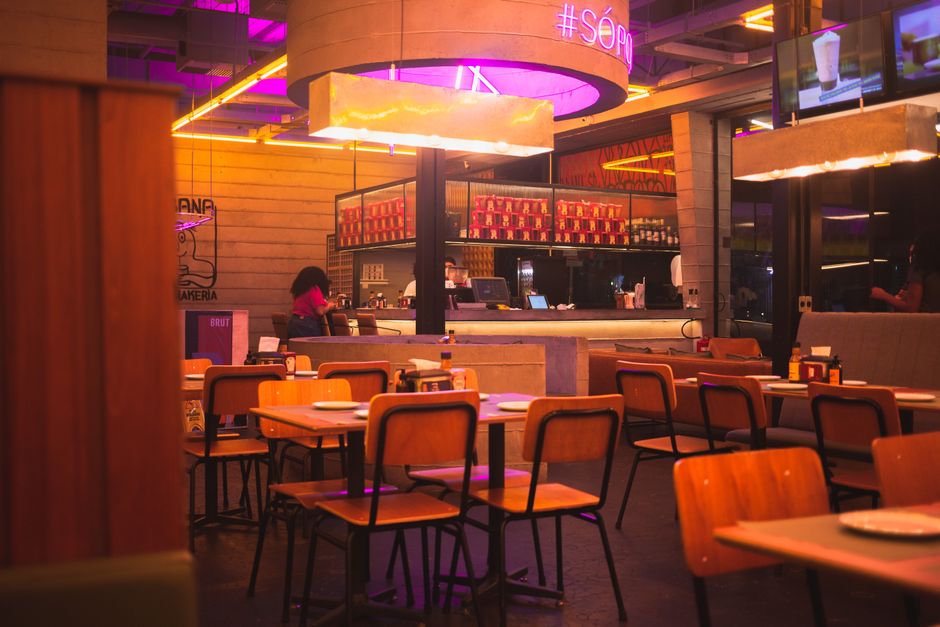
Lighting is one of the most powerful tools in restaurant interior design. It can influence the overall atmosphere and even affect diners’ perceptions of food quality. Different types of lighting serve various purposes: ambient lighting provides general illumination, task lighting focuses on specific areas, and accent lighting highlights architectural features or artwork.
For example, a restaurant might use dim, warm lighting in dining areas to create an intimate setting, while brighter, cooler lighting may be used in preparation areas for practical visibility. The strategic use of lighting can significantly enhance the dining experience, making it more enjoyable and inviting.
Furniture and Decor: Making a Statement
The selection of furniture and decor is equally important in establishing a restaurant’s identity. Unique and comfortable furniture can enhance the guest experience while also serving as a statement piece that aligns with the restaurant’s theme. For instance, reclaimed wood tables can add a rustic charm, while sleek metal chairs may evoke a modern industrial feel.
In addition to furniture, decor elements such as artwork, plants, and textiles can contribute to the overall ambiance. These elements should be thoughtfully chosen to complement the restaurant’s theme and create a cohesive visual narrative. A well-decorated space not only attracts customers but also encourages them to share their experiences on social media, further enhancing the restaurant’s visibility.
Adapting to Trends in Restaurant Design
As with any design field, restaurant interior design is subject to changing trends. Current trends include biophilic design, which incorporates natural elements, and flexible spaces that can adapt to different dining styles. For instance, many restaurants are now integrating outdoor dining areas to enhance the overall guest experience.
Staying informed about industry trends is essential for restaurant owners looking to keep their spaces relevant. Regular updates and renovations can help refresh the dining environment, attracting new customers while retaining loyal patrons. Additionally, incorporating technology, such as digital menus and contactless payments, can enhance the guest experience in a modern context.
For those seeking professional guidance in creating an appealing restaurant space, consulting experts in restaurant interior design can provide valuable insights and innovative solutions tailored to specific needs.
Conclusion
In conclusion, the interior design of a restaurant is a critical component that influences customer experience and overall success. By carefully considering elements such as layout, color, lighting, and furniture, restaurant owners can create inviting and memorable spaces. As trends evolve, adapting the design to meet changing preferences will ensure that the restaurant remains a desirable dining destination. Ultimately, a thoughtful approach to restaurant interior design not only enhances the ambiance but also establishes a lasting connection with guests.
About the Author