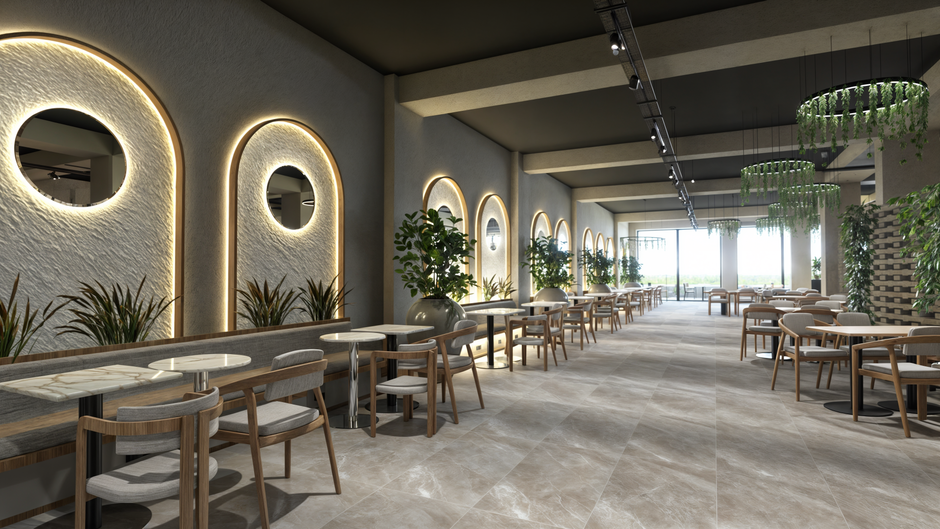
In the competitive world of dining, a restaurant’s interior design plays a pivotal role in attracting and retaining customers. The ambiance created by the design can significantly influence diners’ experiences, making it essential for restaurant owners to invest time and resources into creating an inviting atmosphere. This article delves into the key elements of restaurant interior design, exploring trends, practical strategies, and the impact of aesthetics on the dining experience.
The Importance of First Impressions
When customers walk into a restaurant, their first impression is formed within seconds. According to research, 80% of consumers base their first impression on the environment of a space. This reaction underscores the significance of thoughtful interior design. Elements such as color, lighting, and layout contribute to the overall feel of the establishment.
For instance, a well-lit restaurant can create a warm and inviting atmosphere, while poor lighting may lead to an uncomfortable dining experience. The use of natural light is also beneficial, as it not only enhances the visual appeal but can also improve diners’ moods. As such, careful consideration of these elements is crucial in restaurant interior design.
Trends in Restaurant Interior Design
The world of interior design is ever-evolving, and restaurant spaces are no exception. Currently, several trends are shaping the way restaurants are designed. One notable trend is the incorporation of sustainability. Many restaurant owners are opting for eco-friendly materials and designs that reflect a commitment to environmental stewardship.
Furthermore, open-concept layouts are gaining popularity, allowing diners to feel more connected to the kitchen and staff. This design choice not only enhances transparency but also fosters a sense of community among patrons. Additionally, the use of bold colors and unique textures can help differentiate a restaurant from its competitors, making it more memorable.
Creating a Cohesive Theme
Every successful restaurant has a theme that resonates throughout its design. A cohesive theme helps to create a unique identity and can significantly influence customer perception. Whether a restaurant adopts a rustic, modern, or eclectic style, all design elements should align with this theme.
For example, a seafood restaurant might use nautical elements such as blue hues, wood accents, and marine decorations to reinforce its theme. This approach not only enhances the visual appeal but also strengthens the overall dining experience. Patrons are likely to feel more immersed in the environment, which can lead to increased satisfaction and repeat visits.
Functional Layouts for Optimal Flow
A restaurant’s layout is crucial for both customer and staff experiences. An effective layout ensures smooth traffic flow, minimizing congestion and wait times. This is particularly important during peak hours when the restaurant is busiest.
Designers often recommend a clear separation between dining areas and service zones. This helps to maintain an organized space, allowing servers to navigate easily while ensuring diners enjoy their meal without interruptions. Additionally, the arrangement of tables and seating should consider privacy and comfort, balancing the desire for social interaction with the need for personal space.
The Role of Lighting in Setting the Mood
Lighting is an essential component of restaurant interior design. It can dramatically affect the atmosphere and mood of a space. Different types of lighting can be used to create varying effects; for instance, soft, warm lighting can foster intimacy, while bright, cool lighting may be more suitable for a fast-casual dining experience.
Moreover, incorporating adjustable lighting options can allow restaurants to transition from daytime to evening settings seamlessly. This flexibility can enhance the dining experience and cater to different customer preferences throughout the day.
Additionally, using statement light fixtures can serve as a focal point, drawing customers’ attention and adding to the overall aesthetic appeal. A well-designed lighting scheme is thus integral to effective restaurant interior design.
Conclusion
In conclusion, the art of restaurant interior design is a multifaceted discipline that requires careful consideration of various elements, including layout, lighting, theme, and trends. A well-designed space can significantly enhance the dining experience, attract new customers, and encourage repeat visits. As the restaurant industry continues to evolve, staying abreast of design trends and understanding the importance of a cohesive and inviting atmosphere will be vital for success. For those looking to elevate their restaurant’s aesthetic, exploring professional resources on restaurant interior design can provide valuable insights and inspiration.
About the Author