
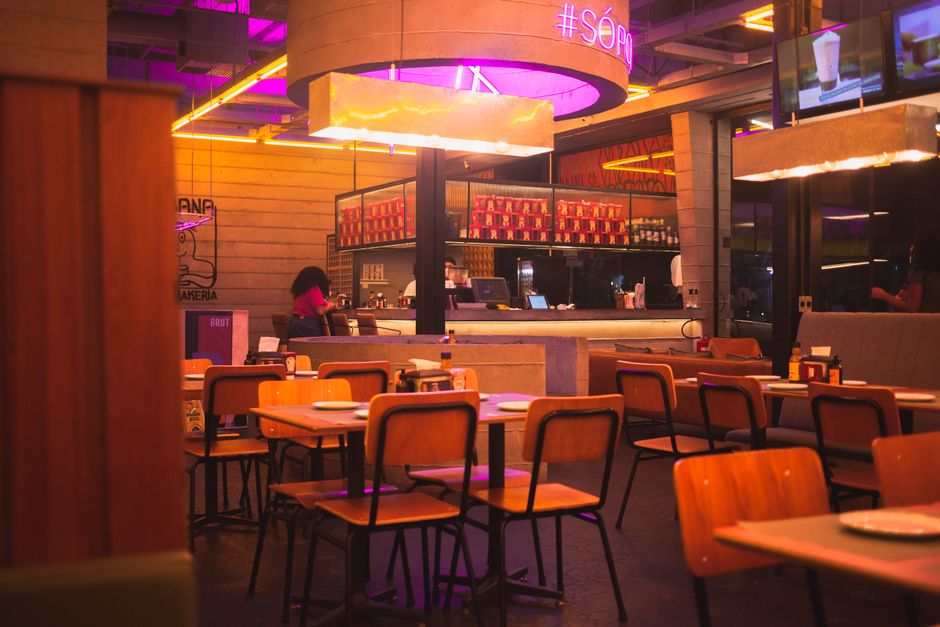
Restaurant interior design is a vital aspect of the hospitality industry, significantly influencing customer experience and satisfaction. A well-thought-out interior not only attracts customers but also enhances their dining experience, encouraging them to return. As competition in the food service sector intensifies, understanding the nuances of interior design can provide a crucial edge for restaurant owners.
Understanding the Basics of Restaurant Interior Design
When it comes to restaurant interior design, it’s essential to grasp its fundamental elements. The layout, color scheme, furniture selection, and lighting all play key roles in crafting an inviting atmosphere. A successful restaurant interior should reflect the brand’s identity while catering to the preferences of its target audience. For instance, a fine dining establishment might opt for a more sophisticated and elegant design, while a casual eatery could embrace a vibrant and relaxed vibe.
Moreover, the flow of the space is critical. The layout should facilitate smooth movement for both guests and staff, ensuring that the dining experience is seamless. According to a study by the National Restaurant Association, a well-designed space can increase customer satisfaction by up to 30%, making it a worthwhile investment for restaurant owners.
Choosing the Right Color Palette
Color psychology plays a pivotal role in restaurant interior design. Different colors evoke various emotions and can significantly influence a diner’s mood and appetite. Warm colors such as red and orange are known to stimulate appetite, making them popular choices for dining spaces. Conversely, cooler colors like blue can suppress hunger but create a calming atmosphere.
Additionally, it’s essential to consider how the color scheme aligns with the restaurant’s theme. A vibrant, eclectic eatery may benefit from bold colors and patterns, while a chic, upscale restaurant may require a more subdued and monochromatic palette. Ultimately, the chosen colors should enhance the overall dining experience and reflect the restaurant’s brand identity.
The Importance of Lighting
Lighting in restaurant interior design is not just a practical necessity but a powerful design element. Proper lighting can set the mood, highlight key areas, and create a welcoming ambiance. For example, soft, warm lighting can foster intimacy, making it ideal for romantic dinners, while bright, vibrant lighting may be suitable for a lively brunch spot.
Layered lighting, which combines ambient, task, and accent lighting, is often the most effective approach. Ambient lighting provides overall illumination, task lighting focuses on specific areas like tables, and accent lighting highlights architectural features or artwork. This approach not only enhances the aesthetics of the restaurant but also improves functionality.
Furniture Selection and Layout
Furniture selection is another crucial aspect of restaurant interior design. The choice of tables, chairs, and other furnishings should align with the restaurant’s concept and accommodate customer comfort. Ergonomics play a vital role; comfortable seating encourages diners to linger longer, potentially increasing sales.
Furthermore, the layout should promote a natural flow between different areas of the restaurant. For instance, the arrangement of tables should allow easy access for both customers and staff, minimizing congestion. A well-planned layout not only enhances the dining experience but also maximizes the use of space, which can be particularly important in smaller establishments.
Incorporating Technology in Design
In today’s digital age, integrating technology into restaurant interior design is becoming increasingly important. Many establishments are adopting digital menus, self-ordering kiosks, and even augmented reality features to enhance customer engagement. These technological advancements can streamline operations and provide customers with a unique dining experience.
Moreover, the incorporation of sustainable technology, such as energy-efficient lighting and environmentally friendly materials, can also resonate with environmentally conscious consumers. Restaurants that prioritize sustainability not only contribute positively to the environment but also appeal to a growing demographic that values eco-friendly practices.
Conclusion
In summary, restaurant interior design is a multifaceted discipline that requires careful consideration of various elements, from color and lighting to furniture and technology. A well-designed space can significantly enhance the dining experience, attract customers, and ultimately drive business success. By understanding the principles of interior design and applying them thoughtfully, restaurant owners can create a unique and memorable atmosphere that keeps patrons coming back for more. To explore more about the nuances of restaurant interior design, consider consulting with design professionals who can offer tailored solutions to meet your specific needs.
About the Author